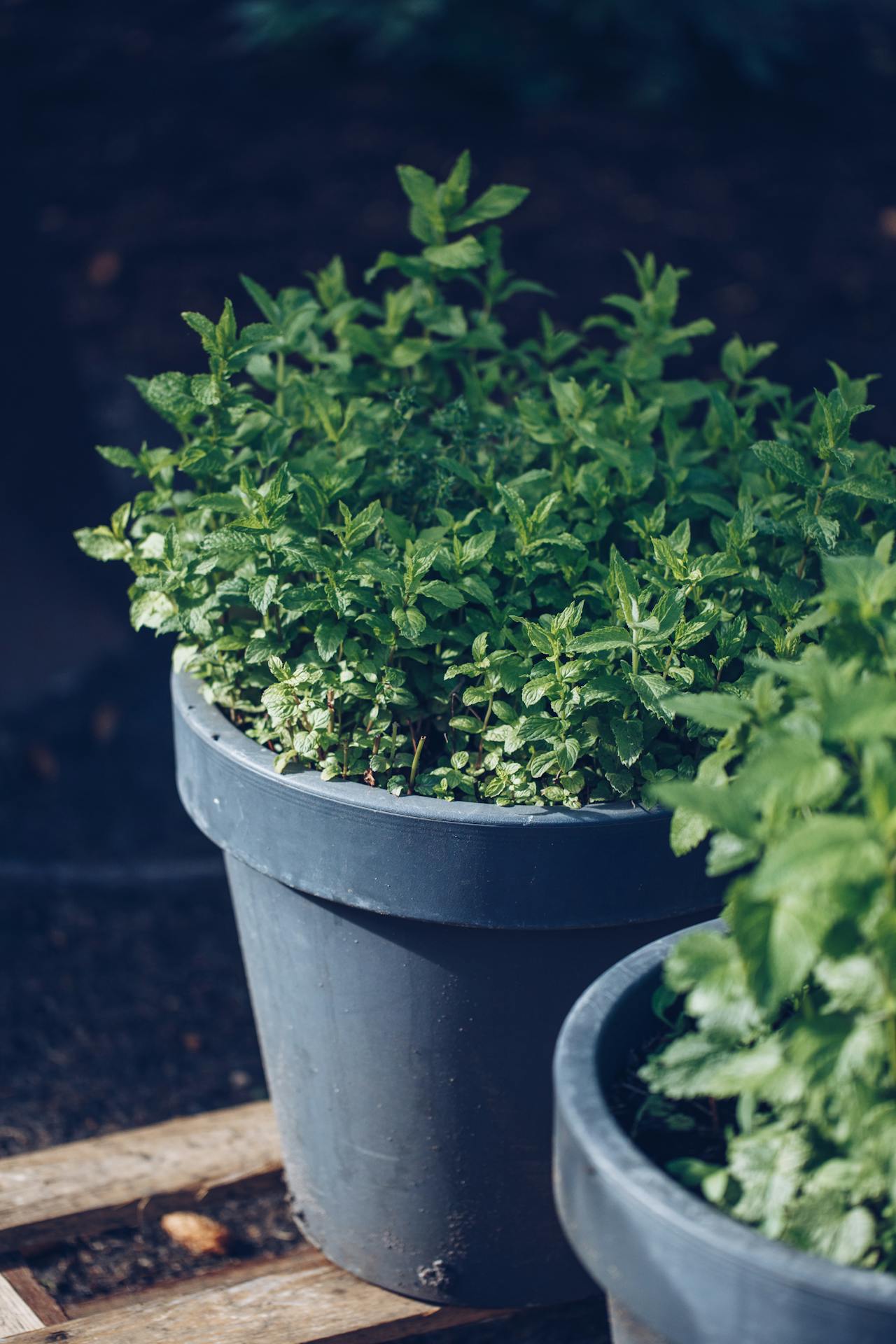
Waterwise Container Gardening
Plants, Design, and Care
Container gardening is just what it sounds like—growing plants in pots instead of in the ground. Like a regular garden (an in-ground planting area), container gardening requires attention to sunlight, water and microclimate management but in a more controlled environment. It’s perfect for patios, balconies, small yards or anyone who wants flexibility and control. The biggest benefits? You can move plants to chase sunlight, manage soil quality precisely and create beautiful curated spaces anywhere. And when done right it can actually use less water than traditional gardening.
Whether you’re growing flowers, herbs or vegetables, container gardening means growing in pots instead of planting them in the ground. Container gardening is a great way for anyone to develop their green thumb regardless of space or experience.
This guide is for gardeners who want beauty and efficiency—especially those in dry or drought prone climates. We’re going to focus on smart design, plant choices and watering strategies that stretch every drop. You’ll learn how to keep your containers thriving while cutting water waste.
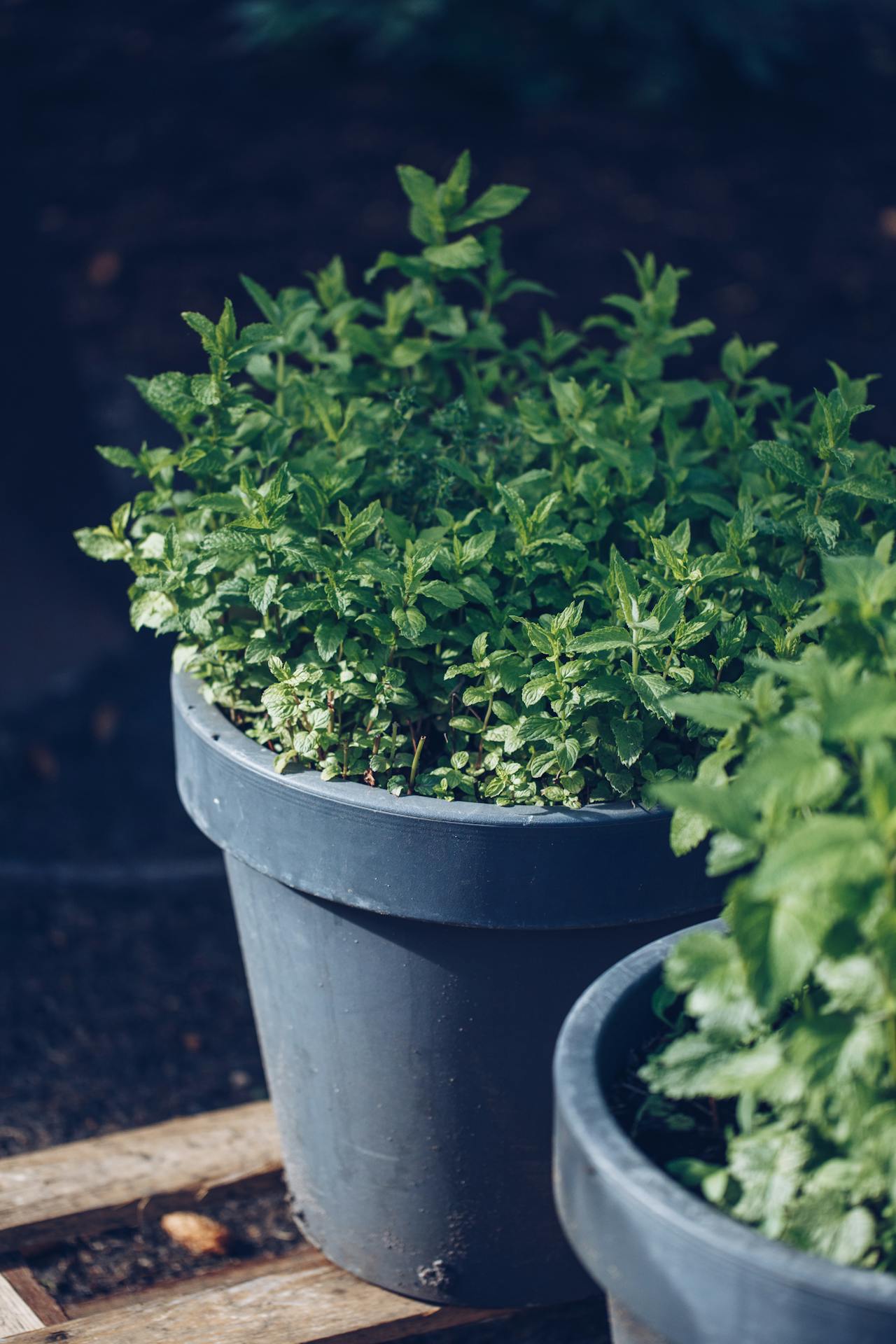
Container Gardening 101
Let’s talk about container gardening, the art of bringing life into whatever space you call home. Whether you’re working with a sprawling patio or just a small corner that catches some sun, container gardening offers something beautiful: the chance to create your own small Eden exactly where you are. When you choose to grow plants in containers you’re not just gaining control over garden design, soil quality and plant selection—you’re choosing to participate in something larger than yourself. This approach becomes a partnership with nature, perfect for cultivating everything from vibrant shrubs and fragrant herbs to drought tolerant flowers and vegetables, all without wrestling with the challenges that come with traditional garden beds.I think one of the most underrated gifts of container gardening is flexibility, the ability to respond to what your plants need and what your space offers. You can move containers to chase the best sunlight, rearrange your garden when your heart calls for something new or shelter delicate plants when harsh weather threatens. With thoughtful soil choices and slow-release fertilizer or compost your plants get the steady nutrition they need to thrive through every season. Using the right soil and amendments is key to healthy plants as it supports robust root growth, prevents disease and overall plant vitality. Drip irrigation systems turn watering into something efficient and intentional so your garden uses water wisely. Especially in those dry climates where every drop counts.
Whether you’ve been gardening for years or just starting to dream of green things, container gardening invites you to experiment. Try different plants, explore new styles and see what speaks to you. With a little planning and the right techniques you can create something truly alive: a lush sustainable garden that fits into your world whether that’s a patio, balcony or that one special spot waiting for your attention. And that’s the real magic, not perfection but participation in the act of growing something beautiful.
Plan Your Container Garden Location and Design
Start by observing how sunlight moves across your space throughout the day. Assess the sun exposure in each area. Some plants like certain lettuces and herbs can tolerate less sunlight but most vegetables and flowers need at least 6-8 hours of direct sunlight for optimal growth. Full sun areas dry out much faster than shaded spots which means more frequent watering. Even moving a pot a few feet can change how often you need to water. Placing thirstier plants in partial shade can reduce water use without sacrificing growth.
If you’re gardening on a balcony check weight limits and make sure you have easy access to water. Hauling watering cans across your home is a fast way to lose motivation.
Wind is another sneaky factor—it speeds up evaporation and dries out soil quickly. Provide some wind protection if your balcony or patio gets frequent high winds. Trellises or larger plants can block wind that would otherwise destroy sensitive plants. If you’re gardening in a windy area choose heavier pots or add weight to the base to prevent tipping. Lightweight containers dry out faster anyway so stability and moisture retention often go hand in hand.
Think visually too. Choose one or two areas where containers can be a focal point, such as near an entryway or a seating area. Grouping containers here not only looks intentional but also conserves water by creating a slightly more humid microclimate. Group plants with similar sun and water needs together to optimize plant health and water efficiency.
Container Garden Budget and Cost
Container gardening can be as gentle on your wallet—or as lavish—as your heart desires. The beautiful truth is your investment depends entirely on what feels right for you: the size and number of containers that call to you, the types of plants that spark joy and the materials that fit your vision. For many of us just starting this quiet journey, starting small—with a few trusty pots, quality soil that feeds your plants’ souls and a handful of drought tolerant companions—keeps those initial steps between $50 and $200. But if you’re dreaming bigger, imagining a more abundant space with larger containers, perhaps an elegant drip irrigation system or those specialty planters that make your heart sing—well, your investment might bloom to $500 or more.
Here’s the wonderful secret: there are countless ways to stretch those gardening dollars while adding character to your growing sanctuary. Repurposing old containers—giving them new life—or embracing recycled materials can save you money while telling your garden’s unique story. Buying plants in bulk or starting from seeds becomes a meditation in patience and possibility. Choosing drought tolerant plants doesn’t just ease your water bill—it creates a garden that thrives with less fuss, less worry, less weekend maintenance stress. And investing in a simple drip irrigation system? It’s like giving yourself the gift of time while your plants receive exactly what they need. Remember, friend—the most soul-stirring container gardens aren’t necessarily the most expensive ones. They’re the ones born from creativity, thoughtful planning and that quiet understanding that beauty grows from intention, not dollars.
Container Garden Time and Commitment
Container gardening gives you both flexibility and beauty but like any meaningful relationship it asks for your regular presence to keep those green lives thriving. The time you’ll find yourself spending depends on the size of your garden family and the particular personalities of the plants you’ve chosen to nurture. For a small collection of containers—perhaps a few herbs on your windowsill or some flowers on your patio—you’ll want to dedicate about 1–2 hours each week to the gentle rhythms of watering, checking in on soil moisture, offering nourishment through fertilizing and simply being present with your plants. Larger gardens or those filled with more particular, demanding plants may call for 3–4 hours or more per week—time that becomes less like work and more like meditation when approached with the right spirit.
To make this caring ritual easier on yourself—and let’s be honest, more sustainable in the long run—consider setting up a drip irrigation system that becomes your garden’s steady heartbeat, automating watering while ensuring your plants receive just the right amount of moisture they crave. Using slow-release fertilizers can ease the frequency of feeding, much like a slow meal that nourishes deeply rather than quickly. Grouping plants with similar needs creates a natural harmony that streamlines your routine—like friends who understand each other’s rhythms. With a little thoughtful organization and the right tools at your side maintaining a healthy, vibrant container garden becomes not just another task but a rewarding part of your week—one that weaves seamlessly into even the most demanding schedule, offering you moments of peace and connection when you need them most.
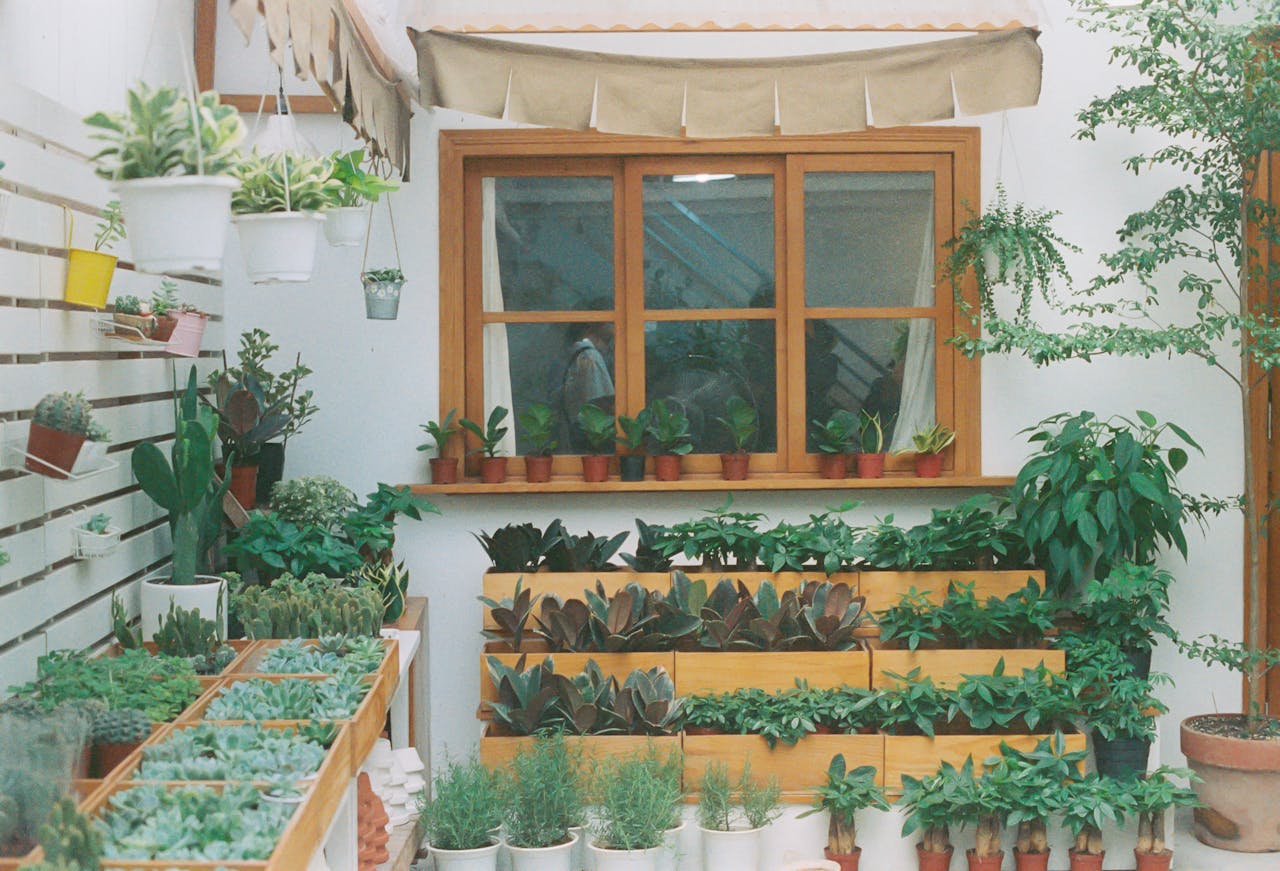
Design Principles: Create a Focal Point and Cohesive Garden Design
Think of your plants as an invitation to express who you are in whatever small space calls to you. The dance between pots, plants and those little touches that make a space yours. That’s where the magic lives, where your outdoor area transforms into anything your heart imagines—a rustic retreat that reminds you of simpler times or a modern oasis that speaks in bold, clean lines. Picture this: unglazed pots with their honest, earthy embrace, cradling hardy container plants and herbs that know how to thrive. Or maybe it’s those glazed ceramic beauties in colors that make you smile—the ones that help your favorite plants sing a little louder, stand a little prouder.
I’ve learned a few things about arranging potted plants. Mixing different shapes and sizes creates this beautiful visual rhythm, like a conversation between old friends. And when you group similar plants together you’re creating something that feels intentional, cohesive, like it was always meant to be. Don’t hold back from experimenting. Let trailing plants cascade alongside their upright neighbors, or choose one statement pot that becomes the heart of your garden story. Whether your soul craves the clean simplicity of a minimalist arrangement or the abundant overflow of a lush display the right marriage of plants and containers will speak your truth and breathe life into your garden’s corners and edges.
A classic container design trick is the thriller–filler–spiller method. The “thriller” is your tall, eye-catching plant, the “filler” adds fullness and the “spiller” cascades over the edge. A small tree, such as a dwarf fruit tree or citrus, can serve as a striking thriller in a container arrangement. Using more plants in larger containers creates a fuller, more impactful display. This combination creates lush containers that shade the soil, reducing evaporation.
Color matters more than you might think. Cool tones like blues and purples feel calm and cohesive, while warm tones like reds and oranges add energy. Sticking to a color palette keeps your space from feeling cluttered and helps you make smarter plant choices. Using a combination of plants with varying heights and forms creates visual interest in container gardens.
When arranging containers think in odd numbers—groups of three or five tend to feel more natural. Also, pay attention to scale: larger pots retain moisture longer, which means less frequent watering. Bigger really is better when water conservation is the goal.
Container Garden Styles
Container gardens are as wonderfully unique as the gardeners who pour their hearts into creating them. Whether your soul gravitates toward clean, modern lines or finds comfort in traditional beauty, whether you’re drawn to rustic charm or can’t resist a touch of whimsy. There’s absolutely a style waiting to embrace your space and reflect who you are. A modern garden might showcase those sleek, geometric containers dancing alongside drought-tolerant succulents and grasses, creating that serene minimalist feeling that thrives with barely a whisper of water. Traditional styles often welcome ornate pots and classic flowering plants into their embrace, while rustic gardens love to showcase weathered containers paired with a generous mix of herbs and wildflowers that seem to have their own quiet stories to tell.
Don’t be afraid to mix and match those container sizes, shapes and textures to add real depth and genuine interest to your garden space. This is your canvas, after all. Those decorative touches like trellises, statues or the gentle glow of outdoor lighting? They’re not just pretty additions—they’re the threads that help weave your design into one cohesive story and transform your garden into a true extension of your home and heart. No matter which style calls to you, friend, choosing the right plants and containers will help your garden not just survive but absolutely flourish—and most importantly, it will reflect that beautiful, irreplaceable personal taste that makes it uniquely yours.
Choose Containers and Materials for Potted Plants
The material of your container plays a huge role in water retention. Here’s a quick breakdown:
Plastic & resin: Lightweight, affordable and excellent at holding moisture
Glazed ceramic: Stylish and retains water well
Terracotta: Breathable but dries out quickly (needs more watering)
Small containers are perfect for certain plants, such as succulents or herbs, because they are easy to move, arrange and provide good drainage for shallow-rooted plants. The type of container you choose can also affect how well the soil retains moisture, directly affecting plant health and growth.
Adding casters to larger pots is a game-changer. You can move plants into shade during heat waves or reposition them to reduce water loss without heavy lifting.## Potting Mix, Soil Recipes and Drainage Holes
Use a soilless potting mix for container gardening to ensure proper drainage and aeration. Always use a soilless potting mix for containers—it drains well and holds enough moisture for roots. You should use artificial or soilless media when creating container gardens as garden soil can compact too easily and lead to poor drainage and root rot.
To increase moisture retention and help the soil hold moisture, add:
Coconut coir (holds water longer than peat)
Compost (adds nutrients and structure)
Vermiculite (retains moisture well)
For drought-tolerant plants like succulents and cacti, choose one without peat moss or coconut coir as these retain moisture which is not good for these species. These plants are adapted to hold moisture in their leaves, stems or roots and generally prefer soil mixes that don’t retain excess moisture.
Drainage holes are essential but not excessive. For most pots 1-3 holes ½ inch wide are ideal. Too many holes can actually cause water to run straight through before the roots can absorb it. Containers should have drainage holes to prevent waterlogged soil which can promote bacterial and fungal growth.
For best results shallow rooted plants need 6-9 inches of soil depth while deep rooted plants need 18-24 inches.
Watering Strategies and Drip Irrigation for Container Gardens
Hand watering gives you control but automation saves time and reduces waste. Drip irrigation delivers water directly to the roots, minimizes evaporation and runoff. Always water container plants until a little water drains out of the bottom to encourage deep root growth. Before planting or repotting check container plants for circling roots to ensure healthy growth. Cut off or spread out the roots that were circling the pot.
If you’re setting up a timer:
Water early in the morning to reduce evaporation
Start with short cycles and adjust based on plant response
Always check soil moisture before watering—automation isn’t “set it and forget it”
During extreme heat adjust your watering frequency to prevent plant stress and protect your container garden’s health. Vegetables in containers need to be watered more frequently than plants in the ground especially during hot weather. On hot summer days container plants may need to be watered as often as twice a day.## Mulching
Mulching is the easiest water saving trick. Add a layer of bark, straw or even decorative stones on top of the soil to lock in moisture and keep roots cool.
No Standing Water and No Root Rot
Good drainage is key. After watering check that excess water flows freely from the bottom of the pot. If it pools you may need to adjust your soil mix or drainage holes. Proper drainage means plants perform well especially in dry or drought prone conditions.
Never let pots sit in full saucers of water for long periods. A little extra moisture can help during hot days but standing water will suffocate roots over time.
Elevating pots with feet or risers improves airflow and prevents water from getting trapped underneath. It’s a small change that makes a big difference both to the balcony surface and your plants.
Best Container Plants: Flowers, Shrubs and Drought Tolerant Picks
Choosing the right plants is one of the smartest ways to save water. Certain plants like succulents and drought tolerant species require specific container types and soil mixes to thrive so matching container characteristics with plant requirements is important. Look for varieties that naturally thrive in dry conditions.
Top drought tolerant picks:
Lavender
Succulents (echeveria and sedum)
Rosemary and thyme
Geraniums
Ornamental grasses
Many plants including succulents, cacti, aloes and other drought resistant species are well suited for container gardening in dry climates. Drought tolerant plants require little water so are low maintenance options. Succulents and cacti are great for drought tolerant container gardening as they store water. Drought tolerant plants can thrive in containers with minimal watering so are perfect for busy or water conscious gardeners. Other plants like ornamental grasses and herbs can also be used to add variety to container gardens.
When choosing succulents for outdoor containers in colder climates select cold hardy varieties like Sempervivum and sedums that can withstand winter temperatures. Not all succulents are winter hardy so some may need to be brought indoors or treated as annuals in cold regions. Small succulents are perfect for shallow containers and can create beautiful low maintenance arrangements.For larger containers consider shrubs like dwarf boxwood or Indian hawthorn. If you want a statement piece small trees like olive, citrus or dwarf fruit trees do well in pots.
Mix in annuals and perennials for seasonal interest but prioritize plants with similar water needs so you don’t overwater some and underwater others.
Vegetable Container Gardening: Pots, Sizes and Crop Selection
Vegetables can thrive in containers with the right setup. Most vegetables need at least 12 inches of soil to grow well in containers. Larger pots (12 inches or more) are recommended for vegetables as they retain moisture better. The key is to give the roots enough space and group plants wisely. Container gardening also allows for growing vegetables in small spaces like balconies or patios.
Minimum pot sizes:
Tomatoes: 5–10 gallons
Peppers: 3–5 gallons
Lettuce/herbs: 1–2 gallons
Green beans are a great choice for container gardening especially when grown with a trellis or support system.
A 5 gallon container is the minimum size for growing a tomato or squash plant. Choose compact or determinate varieties to avoid overcrowding as they use less water and are more manageable. A determinate tomato is one that grows to a certain size then stops growing. Indeterminate tomatoes keep growing larger and larger. Most vegetables require at least 6 hours of sun a day and plenty of water for optimal growth. Green pole beans are a good choice for container gardens especially when provided with a support system like a trellis.
Quick growing crops like radishes and lettuce are perfect for succession planting, keeping your containers productive without wasting water on long growing plants. When planning crop rotation or succession planting understanding the growing season for each crop is important to maximize productivity.
Support and Fertilize Vegetable Container Gardens
Install trellises or cages at planting time to avoid disturbing roots later. Vertical growth also improves airflow and reduces disease.
Use a slow release fertilizer when planting to provide steady nutrients. During active growth and fruiting stages supplement with a liquid fertilizer every couple of weeks, ideally at half strength with watering. Container plants need to be fertilized regularly to replenish nutrients that are washed away with frequent watering.
Healthy well fed plants use water more efficiently so fertilizing isn’t just about growth it’s about conservation too.
Hanging Baskets and Vertical Container Gardens
Hanging baskets dry out faster so choose plants that can handle it. Trailing varieties like petunias, ivy and calibrachoa work beautifully. When designing a hanging basket consider the popular ‘Thriller, Filler, Spiller’ concept for container gardening. For hanging baskets you can adapt this by focusing mainly on spillers to create a lush cascading effect often without the need for thrillers or fillers.
Use a lightweight potting mix to reduce strain on hooks and supports. You can also mix in water retaining crystals to extend time between watering.
Secure baskets firmly especially in windy areas. A swinging basket not only risks damage but also loses moisture faster.
Container Garden DIY Projects
Building your own planters from wood, metal or whatever treasures you’ve collected along the way isn’t just about saving money—it’s about creating something that feels uniquely yours. And that simple drip irrigation system you’ve been putting off? It’s actually one of the most generous gifts you can give yourself: time saved, water conserved and that quiet satisfaction of watching something you built with your own hands nurture life throughout the growing season. Upcycling old containers or crafting a self-watering planter becomes this beautiful dance between function and creativity—and honestly the joy you’ll feel seeing something discarded transform into something life-giving is worth every minute spent.
The other projects calling your name—mixing your own potting soil with compost and organic matter, building that compost bin to turn kitchen scraps into garden gold or constructing a cold frame that whispers “growing season doesn’t have to end”—these aren’t just tasks on a weekend to-do list. They’re small acts of rebellion against a world that tells us everything worthwhile must be bought instead of built, purchased instead of created. Each project you take on teaches you something new about yourself, about what your hands can do, about how deeply satisfying it feels to work alongside nature instead of around it. And the beautiful truth is this: every DIY choice you make doesn’t just enhance your garden—it makes your whole container gardening adventure more sustainable, more productive and infinitely more yours.
Arrange and Group Container Gardens for Impact
Grouping containers isn’t just about aesthetics—it’s a water saving strategy. Plants grouped together create shade and humidity reducing evaporation.Plant multiple compatible species in the same container to make the most of space and create a fuller display. Combining low-growers, climbers or plants with similar growth habits in the same container also helps with plant health and visual interest.
Group by size and colour for harmony
One focal point per vignette to anchor the design
Add height with stands or pedestals
Clusters of pots dry out slower than singles so your watering routine will be easier and more efficient.
Container Garden Ideas
Looking for inspiration to spark that inner creative voice? Container garden inspiration is everywher: hidden in the corners of online spaces like Pinterest and Instagram, through gardening blogs, books and magazines that get it. So many gardeners are drawn to the dance of combining flowering plants, foliage and edible herbs—creating these vibrant living tapestries that seem to pulse with their own rhythm. Adding thoughtful touches like statues, trellises or outdoor lighting can turn your small space into a sanctuary—a true retreat from the world’s noise.
Walk through local nurseries or garden centres and see real-life examples that speak louder than photos ever can and seasoned gardeners share the kind of wisdom that only comes from years of observation. Themed approaches—tropical, desert or edible herb collections—can bring intention and story to your space in ways you never thought possible. Container gardens offer the opportunity to create privacy, to carve out cozy corners on patios and balconies where life feels more intimate, more yours. Whether you’ve been gardening for decades or just starting to understand this quiet conversation between human hands and growing things, there’s always another idea waiting—ready to help your plants and something deeper within you grow.
Irrigation Systems and Automation
There are several ways to automate watering, each with its own benefits:
Drip irrigation: Most efficient, water goes directly to roots
Soaker lines: Good for grouped containers
Self-watering pots: Built-in reservoirs reduce frequency
For balconies a simple DIY drip system using tubing and emitters can be very effective. Pair it with a smart timer so you can adjust schedules or even water remotely while you’re away.
Maintenance and Troubleshooting
Regular maintenance keeps your garden healthy and efficient. Regular deadheading and fertilizing can encourage more flowers in container gardens. Deadhead flowers(cut off spent blooms) and prune as needed to encourage growth without wasting energy.
Check for pests and signs of nutrient deficiencies like yellowing leaves. Addressing issues early prevents water waste on struggling plants.
Repot when plants become root-bound, usually once a year for fast growers. Clean and sterilize containers between seasons to prevent disease carryover.
Common Container Garden Mistakes
Even the most devoted gardeners, those who speak tenderly to their plants and dream in shades of green, can find themselves wrestling with the mysteries of container gardening. One of the most heartbreaking stumbles comes from reaching for poor-quality potting mixes or heavy garden soil, choices that transform what should be a breathing, living home into something more like a prison. Your plants' roots become trapped, suffocated, and unable to dance freely through the soil as nature intended. What they crave is a well-aerated embrace, something that holds moisture like cupped hands but never drowns them in stagnant sorrow.
Then there's the tender trap of too much love, overwatering, that well-meaning gesture that can become a slow drowning. Too much water whispers death to roots, especially when your containers can't release what they cannot hold. But swing too far the other way, and you'll find your green companions languishing in shadows too deep or thirsting through blazing afternoons, their leaves reaching desperately toward what they cannot find. It's easy to forget that plants, like all living things, hunger. Without the steady nourishment of regular feeding, they grow pale and weak, their vitality slowly fading.
Choose potting mixes that honour your plants' need to breathe, match your green friends to the rhythms of your local climate, and listen to their needs for sunlight, water and sustenance. With patient observation and the willingness to adjust your care to the seasons and conditions of your balcony or patio, your container garden will become a collaboration between human hands and living earth.
Seasonal Care and Overwintering Container Gardens
In colder months, protect your containers from freezing temperatures. Insulate pots with wraps or move them closer to walls for warmth. When preparing for winter, consider selecting cold hardy or winter hardy plants for outdoor containers, or bring tender plants indoors before the first frost.In spring and summer, refresh or replant containers with new bedding plants for seasonal colour. In summer, containers can dry out quickly so may need more frequent watering than in-ground plants.
Reducing exposure to extreme conditions helps plants conserve energy—and water—through the off-season.
Container Garden Wildlife and Biodiversity
Container gardens can do so much more than just dress up your space. When you choose your plants thoughtfully, especially those native species and herbs that belong in your corner of the world, you’re not just gardening; you’re extending an invitation to the wild things: the bees who arrive with pockets full of purpose, the butterflies who paint your mornings with colour, the birds who bring song to your coffee breaks, and all those helpful insects working quietly behind the scenes. These visitors don’t just make your garden feel alive—they weave it into the larger story of a thriving, breathing ecosystem.
The most wildlife-friendly gardens aren’t built with harsh chemicals or pesticides that chase away the very creatures we hope to welcome. Instead, they’re created with intention—plenty of flowers that bloom in succession, foliage that offers shelter and rest, and the understanding that even a small collection of containers can become a sanctuary. Your patio or balcony, no matter how modest, has the power to become a mini nature reserve where life finds its way to flourish. That’s not just gardening, that’s participating in something much larger than ourselves.
Container Garden Sustainability and Environmental Impact
Let’s talk about container gardening that works with the Earth rather than against it. When we choose our containers thoughtfully, selecting drought-tolerant companions and reaching for eco-friendly potting mixes, we’re really participating in something larger: a quiet act of reducing our footprint while nurturing life. Those recycled or natural materials, bamboo pots, reclaimed plastic containers, are not just practical choices; they’re gentle gestures toward a world with less waste and more abundance.
Proper soil management becomes this beautiful dance of working with compost and organic matter, building health from the ground up while stepping away from synthetic fertilizers. And water? Well, that asks us to slow down and listen: watering only when our plants truly need it, ensuring our containers drain well so we’re not contributing to runoff or pollution. When we embrace these sustainable practices, our container gardens become more than just something that looks beautiful. They become a living promise to the generations who’ll inherit this Earth we’re tending together.


