The Essential Guide to Rainwater Harvesting for Sustainable Living
Rainwater Harvesting For A Sustainable Garden
A typical homeowner waters their garden with treated municipal water that was never meant for plants. That creates two problems. First, it makes you dependent on external systems that may become restricted during droughts. Second, it increases your monthly water bill without improving garden performance.
Rainwater harvesting changes that by turning your property into a water source. Instead of reacting to shortages, you create a system that can catch rainwater, collect water from your roof or other surfaces, and deliver it on your terms.
This builds drought resilience while reducing ongoing costs. Rainwater harvesting can also provide an independent water supply during regional water restrictions, so you can use rainwater for your garden and other needs.
Introduction to Harvesting Rainwater
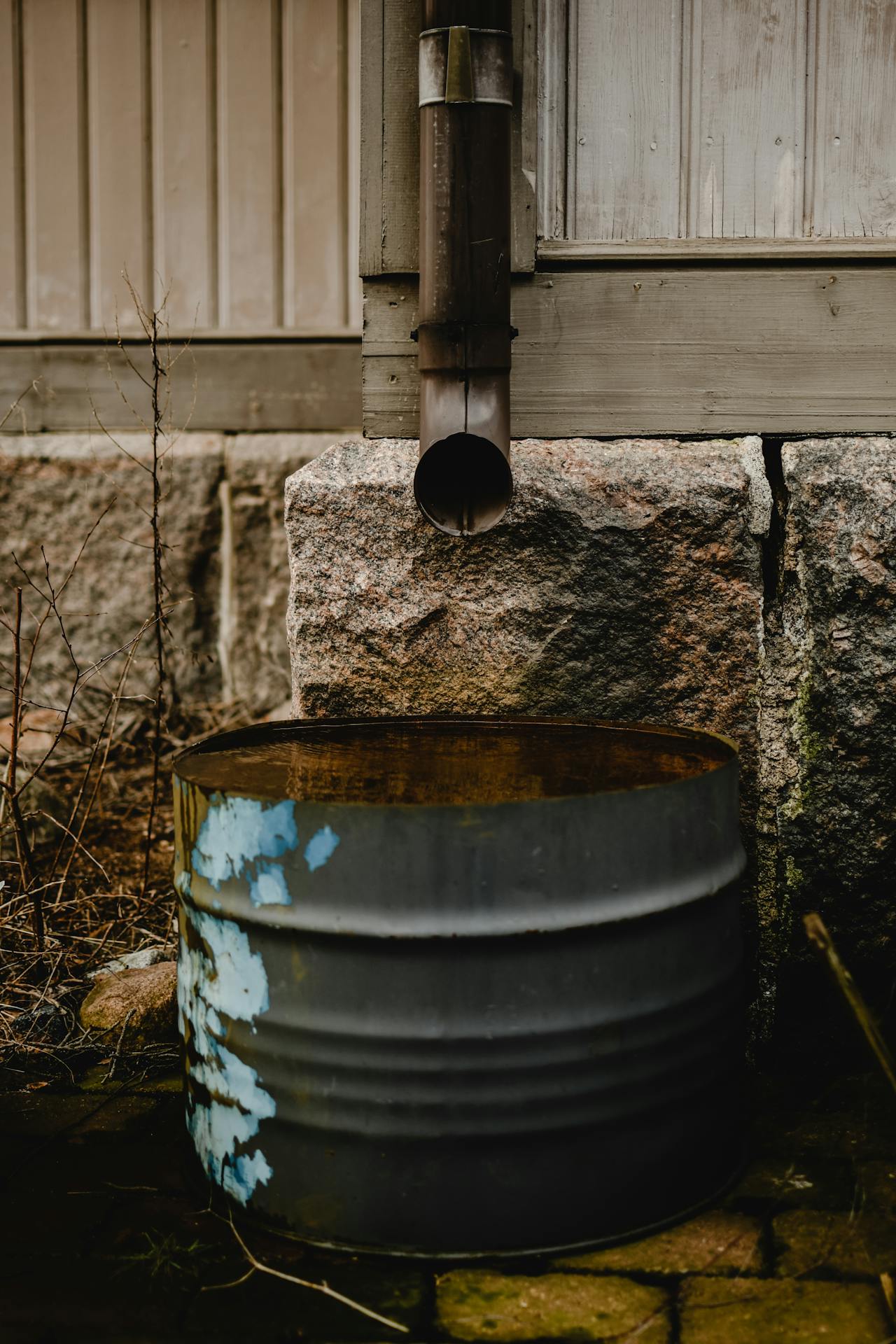
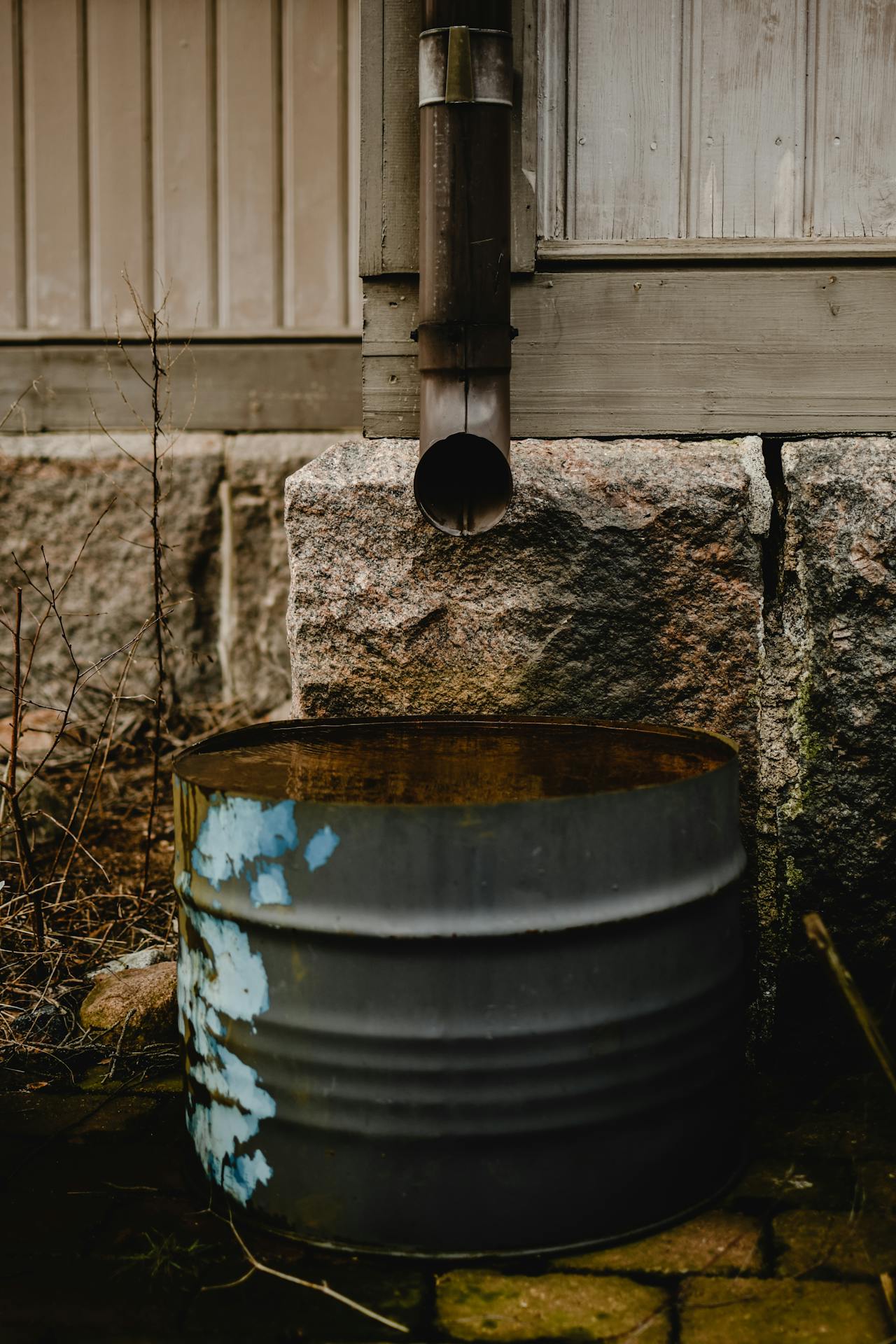
Rainwater harvesting is like having a quiet conversation with the sky, especially in our busy urban spaces where water feels precious and storm drains struggle under every downpour. Here’s how this works: you’re essentially catching rain as it dances across your roof, guiding it through gutters and downspouts, and directing it into your very own storage tank.
A first flush diverter becomes your water’s guardian, making sure that initial splash, the one carrying all the roof dust and wandering debris, flows away separately, leaving you with the cleaner water that follows. It’s such a thoughtful addition and it keeps your stored water singing clear and true.
Whether you want to nurture a garden, refresh your toilets or keep that washing machine humming, your rainwater system can grow alongside your dreams and needs. By stepping away from depending solely on city water and welcoming rain before it rushes away as runoff, you’re not just being kind to our shared resources; you’re weaving resilience into your lifestyle, creating something that will hold you steady through whatever seasons come your way.
What Is Rainwater Collection
Rainwater catchment or rainwater collection is the process of catching and storing rain as it falls for later use. Most residential systems use rooftop catchment, where the roof serves as the collection surface, directing rainwater into storage containers. Surface collection gathers water from ground-level collection surfaces but is less efficient and more prone to contamination.
Collected rainwater is used for irrigation, garden maintenance and in some cases non potable household uses. Rainwater harvesting is different from citywide stormwater harvesting, as runoff is typically collected from roofs and other surfaces for storage and subsequent household use.
Catchment Area And Roof Tips
The main components of a rainwater harvesting system are catchment surfaces, gutters, downspouts, storage tanks and filtration systems.
Your catchment area is the surface that collects rainwater; for most homes this is the roof. To estimate its size, measure the length and width of your roof and multiply them. For example a 40 foot by 30 foot roof is 1,200 square feet of catchment area.
Roofing materials play a big role in rainwater harvesting. Metal and tile roofs are good for garden water collection as they shed water cleanly and minimize contaminants. Asphalt shingles can be used but may introduce small amounts of debris which can affect water quality and suitability for certain uses.
Overhanging trees should be managed carefully. Leaves and debris increase maintenance and reduce water quality.
How Much Rainwater Can I Collect
You can estimate potential water collection using this formula: Gallons collected = roof area in square feet x rainfall in inches x 0.623. This factor converts rainfall into gallons per square foot.
To estimate water availability use reliable rainfall data and consider the average rainfall for your area. Yearly totals give a broad estimate but seasonal variation matters more for planning. Many areas have uneven rainfall with long dry periods between storms. Use local rainfall data to understand your specific pattern.
Storage should be sized to capture water during peak rainfall while still being practical for your space and budget. Your garden size will influence how much water you need to collect and store so make sure you have enough water during dry periods. The size of the storage tank should be determined by the rainfall amount in your area and your water demand during dry periods. Storing more water can meet unexpected demands like drought.
Rain Barrels And Rain Barrel Options
Rain barrels are the simplest way to start collecting water. They require minimal setup and can be installed on most downspouts. Common sizes are 50, 55 and 100 gallon barrels.
Mosquito control in barrels is essential. Mosquitoes lay eggs in stagnant water so it’s important to keep rain barrels sealed and covered to prevent this. Often mosquitoes get in through the same openings where the water comes in. Use Bacillus thuringiensis israelensis (Bti) to prevent larvae from developing. Barrels should be elevated on a stable platform to improve water pressure and make access easier. Multiple barrels can be linked together to increase total storage capacity without changing your system design. For storing larger volumes of collected rainwater, rainwater tanks and large cisterns are good options, more capacity and long term storage solutions.
How To Harvest Rainwater: Collection System Basics
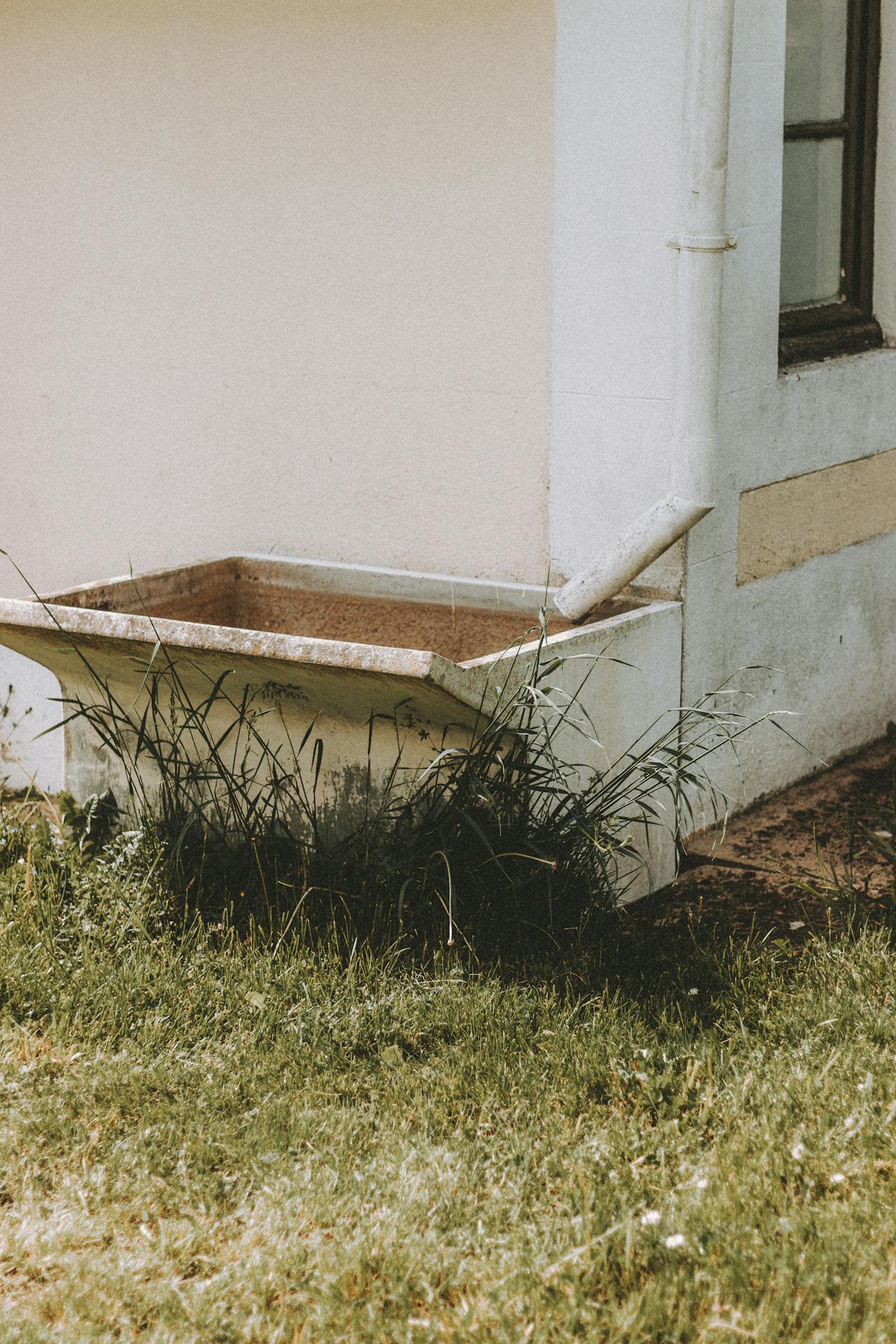
A basic rainwater system includes a roof catchment area, gutters, downspouts, a first-flush diverter and a rainwater storage tank.
Gutters collect rain as it runs off the roof.
Downspouts direct that water towards your rainwater storage system.
A first flush diverter removes the initial runoff that contains dust and debris.
Simple filters can be added to capture leaves and fine particles before water enters the rainwater storage tank.
Rainwater harvesting systems can range from simple setups that require minimal skills to automated systems that need advanced installation.
First Flush And Water Quality
The first flush system protects water quality by discarding the most contaminated portion of rainfall, known as the first flow or initial flush. This initial runoff often carries dirt, pollen and roof debris. First flush diverters are essential for any rainwater collection system to remove these initial contaminants before water enters the storage tank.
A simple DIY diverter can be built using a vertical pipe that fills first then redirects cleaner water into storage once full.
With proper treatment harvested rainwater can be converted into potable water or clean water for domestic use. It can be treated to potable standards with additional filtration and disinfection. For additional treatment ultraviolet disinfection systems can be used..Boiling remains a reliable method for making water safe to drink when needed. Collected rainwater should always be tested before being considered for drinking.
Storage Tanks And Delivery
Storage tanks can be installed aboveground or underground to hold stored rainwater for later use. Cisterns which can be above or below ground can store enough water for an entire household. Aboveground tanks are easier to install and maintain. Underground tanks save space and provide temperature stability but require more planning.
Storage tanks or cisterns are typically the most expensive component of a rainwater collection system. Tank size should match your garden demand and your expected rainfall capture. Water can be delivered through gravity if the tank is elevated. For larger systems or flat sites, pumps provide consistent pressure and expand how the water can be used.### Maintenance And Operation
Regular maintenance keeps the system running efficiently and safely. Check your roof monthly to remove debris and identify potential issues. Install leaf screens at each downspout to prevent debris from clogging the system. Clean screens and inlet filters regularly as run off can carry leaves and other debris that may cause clogs or overflows. Proper maintenance prevents rainwater from causing clogs, overflow or contamination. Replace filters according to manufacturer guidelines. In colder climates drain tanks and exposed lines before the freeze season to prevent damage.
Benefits of Harvesting Rainwater
The benefits of capturing rainwater go far beyond what appears on your monthly water bill and I want you to see the beautiful ripple effect this powerful choice creates. When you harvest rainwater you are part of something bigger than yourself: easing the burden on municipal water systems especially during those challenging times when restrictions tighten and drought tests our communities.
But you are also part of the solution to stormwater runoff, gently preventing pollutants from washing into the waterways that sustain life around us and protecting the delicate aquatic ecosystems that depend on our choices. And because rainwater arrives naturally soft and free from the chemicals that travel through our taps you are giving your garden and home water that is perfect for irrigation and those everyday non-potable uses that keep life flowing smoothly.
Communities around the world have recognized this wisdom—resources like the Texas Manual on Rainwater Harvesting offer guidance for anyone ready to design a system that works with their landscape rather than against it. Beyond these environmental and practical benefits, installing a rainwater harvesting system adds real value to your property and creates something I find priceless: the peace of mind that comes from knowing you have your own water source waiting for you when you need it most.
Using Collected Rainwater In The Garden
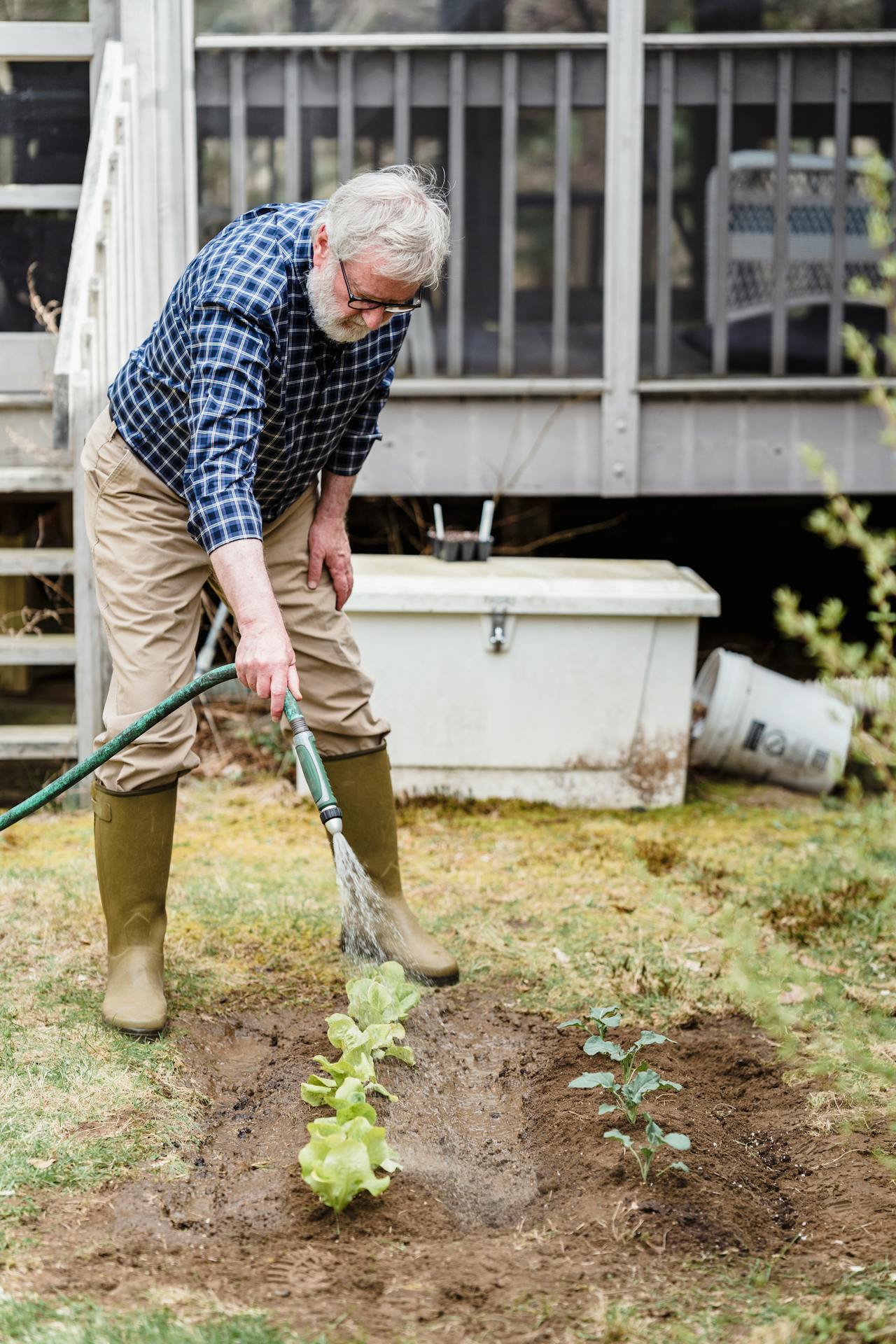
Harvested rainwater can be used to water gardens, livestock and fields making it a versatile resource for your landscape. Efficient use of stored water increases the value of your system benefiting your landscape as well as your garden. Using harvested rainwater for irrigation reduces reliance on municipal water supplies.
Rainwater harvesting works best when paired with practices that conserve every gallon you collect. Watering early in the morning or later in the evening minimizes evaporation. Mulching helps retain soil moisture and reduces watering. A garden fed by rainwater is not just productive. It is stable, efficient and far less dependent on outside inputs. That’s what turns a backyard into a system that supports you over time.
Rainwater Harvesting Around the World
Think of rainwater harvesting as one of nature’s most generous gifts—a simple yet profound way communities worldwide are choosing to work with the sky not against it. In developing regions these systems become lifelines, turning what falls freely from above into safe drinking water where you can’t count on municipal taps or where they don’t exist.
You’ll find this same wisdom in Australia and Germany where governments recognize what gardeners have always known: that catching what nature provides not only eases the burden on our shared water systems but turns every rooftop into a partner in managing the storms that come our way. In India this ancient practice serves double duty—meeting daily needs while replenishing the groundwater below, creating abundance that reaches deep into tomorrow.
These stories from around the world show us something beautiful: rainwater harvesting adapts to wherever life happens, whether you’re just looking to water your garden or need something as essential as your next drink, making it one of the most versatile and hopeful strategies we have for nurturing our relationship with water no matter where on earth we live.


