Planting Guides for Vegetables
Planting Guides for Vegetables: When to Plant Based on Soil Temperature, Not Frost Dates
Introduction: Why Frost Dates Aren’t Enough Anymore
Traditionally, planting guides for vegetables suggest planting a certain number of weeks before or after the average last spring freeze date. Seed packets will include maps of recommended planting dates based on this average last-spring freeze date. Many experienced gardeners have used the USDA Plant Hardiness Zone Map to create a planting calendar for various vegetables based on local climate conditions and frost dates. For example, in hardiness zone 6a, the last spring frost typically occurs between May 5-15, while in zone 7a, it occurs between April 15-25—these spring freeze dates have been used to decide when to seed or transplant different crops.
However, our climate is changing so fast that the last spring frost may come well before the average. Also, your yard may have microclimates that allow you to plant earlier or delay planting, giving you the opportunity to harvest leafy greens later in the season than usual. The climate varies from location to location, so understanding your specific area—including microclimates and hardiness zones—is essential for optimizing planting schedules and soil preparation. My last frost date in Albuquerque, New Mexico, is very close to my son’s last frost date in eastern Kansas, but spring weather variability is much greater here.
That is why, at Lynn’s Earth Gardening Academy, we recommend planting by soil temperature rather than calendar dates. I have gardened in California, Colorado, New Mexico, Kansas, Nebraska, and North Carolina, and studied gardens in Honduras, which has helped me see that averages don’t tell the whole story. For additional guidance and resources, organizations like the Midwestern Regional Climate Center and Virginia Cooperative Extension offer up-to-date climate data, planting guidelines, and publications to help gardeners make informed decisions.
As the Urban Horticulture Specialist for the Cooperative Extension Service in New Mexico, I advised gardeners in zones 5 to 8, the same range you would find from Minnesota to Mississippi, although our zones depend on elevation rather than longitude.
Because climates are so changeable and variable, soil temperature is a more accurate way to determine when to plant. This will give you real-time information about conditions in your own backyard.
A home vegetable garden can be a source of enjoyment, self-sufficiency, and fresh local food. There are many resources and guidance available to help home gardeners plan, plant, and maintain a successful vegetable garden.
2. What Soil Temperature Actually Tells You (and Why It Matters More Than Air Temperature)
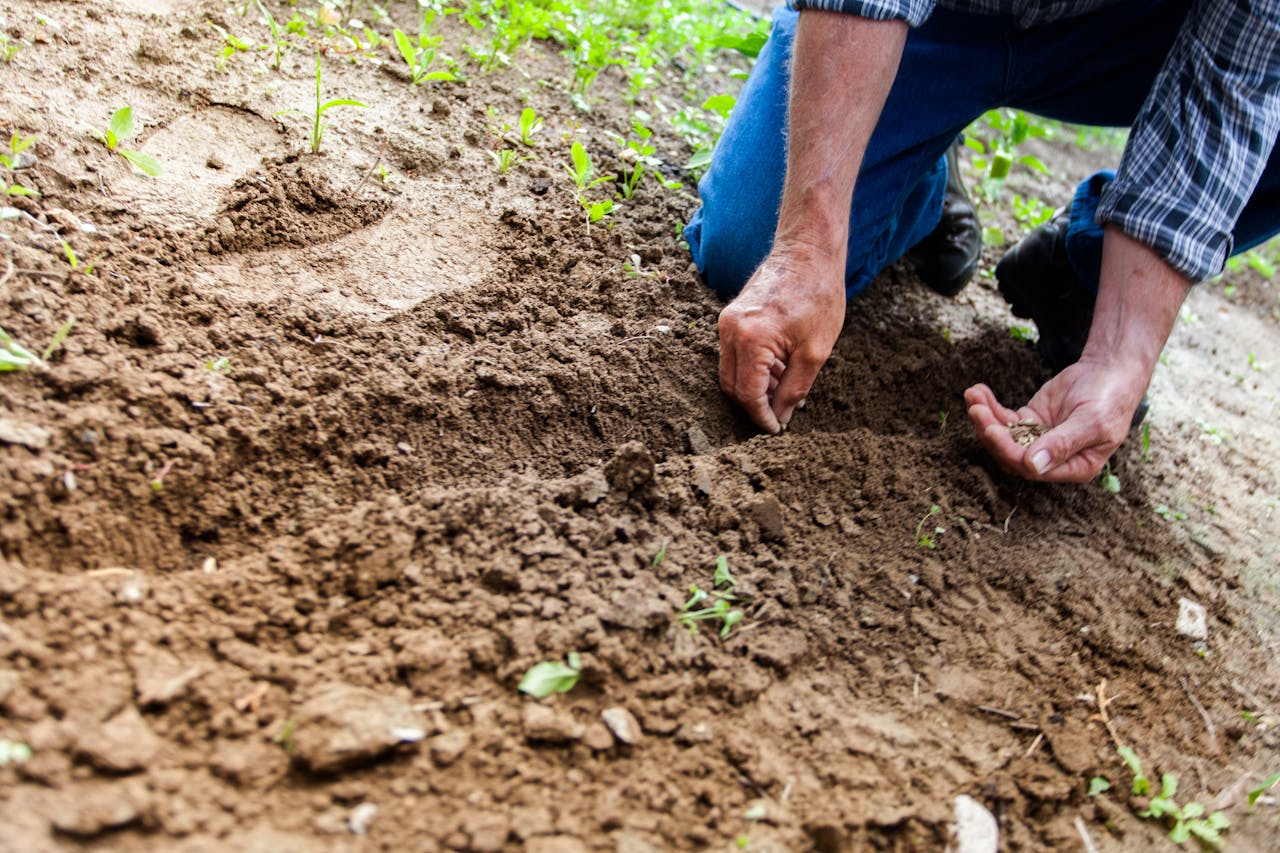
The temperature that matters is the soil temperature of the root zone. If you are planting seeds, you will want to measure the temperature near the surface. Water dry soil, then waiting until the next day to take its temperature. This will give you the best idea of the temperature your seeds will experience. You can measure moist soil a little deeper to see if it is warm enough for transplants. It is important to prepare the soil only when it is not too wet or too dry—the ideal moisture level allows the soil to crumble and break into small clumps when pressed in your hand.
Soil warms in spring and cools in fall more slowly than the air temperature. Air is much less dense, with little mass to warm or cool. Soil, on the other hand, is very dense and has a lot of mass, so its temperature changes slowly and it moderates the variability of the climate. Air temperature can swing 20 to 30 degrees in a single day. Soil temperature not so much. Soil temperature provides a much more accurate picture of what the roots are experiencing. This is the difference between healthy plants or stunted growth.
Here’s what soil temperature affects:
Seed germination — Every vegetable has a minimum and optimal temperature range.
Root development — Cold soil slows or stops root growth entirely.
Disease risk — Cool, wet soil encourages rot and damping off.
Transplant shock — Warm-season crops struggle until the soil reaches their comfort zone.
Understanding the days to maturity for each crop is also important, as it helps plan harvest schedules, extend the growing season, and select varieties with different maturity periods to optimize yield and harvest timing.
Healthy soil is the foundation of a productive garden.
3. How to Measure Soil Temperature Accurately
There are several types of thermometers available.Check at your local garden center for options. If you have a compost thermometer, you can use that, but don't push it into the soil too far. You want to measure the temperature in which the seeds will be germinating, and the roots will be growing.
Take your measurements in the morning. The top few inches will be warmer if you wait until the sun has been shining on the soil for some time, but morning temperatures will give you a better idea of the conditions the seedlings will experience.
If you are planting seeds, measure the temperature about 2 inches deep. Push the probe into the soil, wait until the dial or digital reading stabilizes, then record the temperature. Take readings over 2 to 3 days and average them.
In my own garden in Albuquerque’s Zone 7b–8a, I’ve seen soil temps lag behind air temps by 2–3 weeks in spring.
4. The Soil Temperature Planting Chart
Cool-Season Vegetables (Germinate at 40–55°F)
These are your earliest crops in the spring. They germinate in chilly soil and may fail if you wait until the soil is too warm.
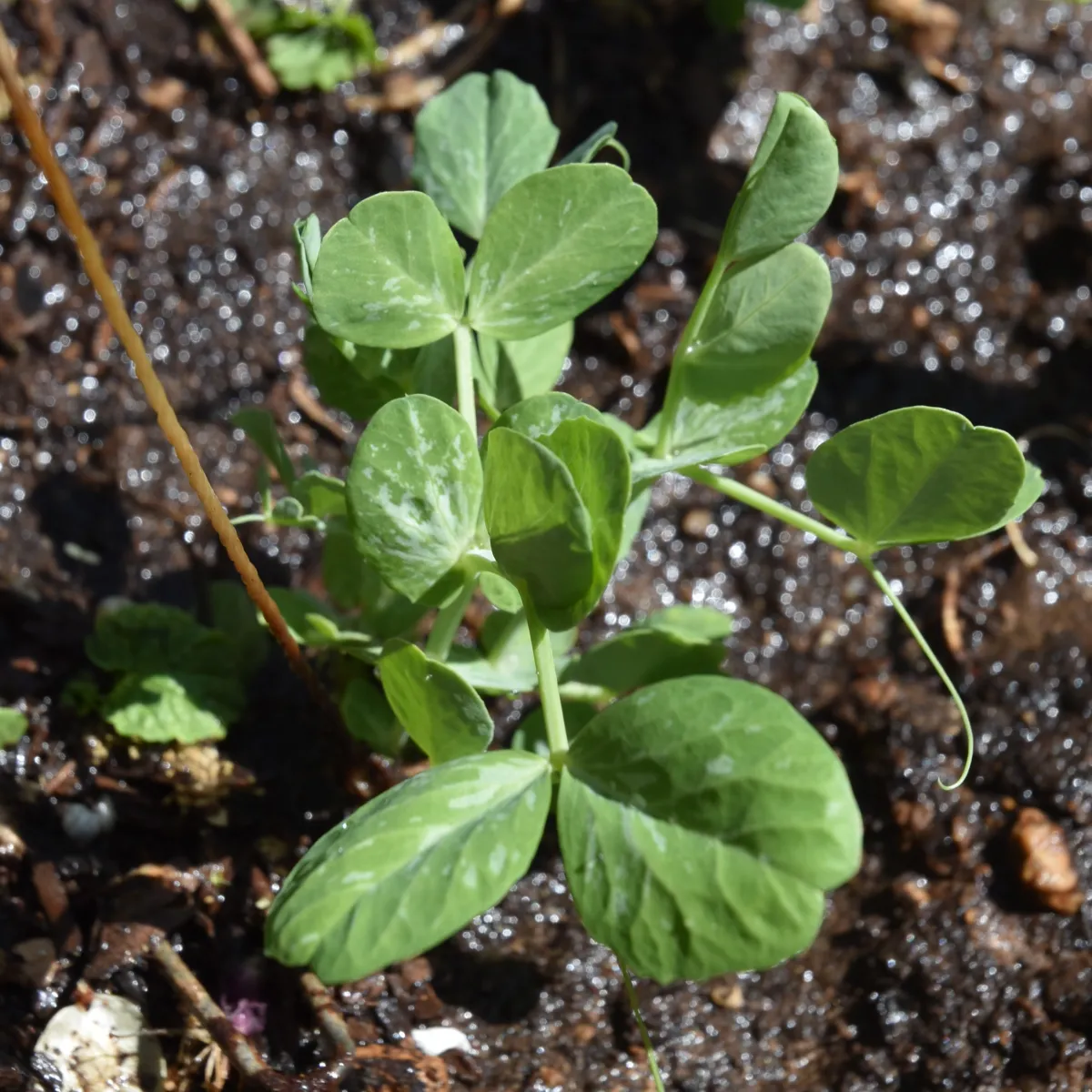
Peas
Spinach
Leaf or Head Lettuce
Radish
Arugula
Kale
Moderate-Temperature Vegetables (Germinate at 55–65°F)
These plants can tolerate cool temperatures, but need just a bit more warmth to sprout.
Carrots
Bush or PoBeets
Swiss Chard
Potatoes
Onions
Warm-Season Crops and Vegetables (Germinate at 65–75°F)
One of the most common garden problems is planting these crops too early.
Bush or Pole Beans
Corn
Cucumbers
Squash
Melons
Heat-Loving Vegetables (Germinate at 70–85°F)
These are sensitive plants and will sulk for weeks if they are planted in cold soil. Planting them too early could result in stunted growth. If you want to grow these warm-season crops, wait until the soil has warmed sufficiently.
Tomatoes
Peppers
Eggplant
Okra
Basil
Fall Vegetables (Germinate at 65–75°F)
These vegetables require moderate to high temperatures to germinate but grow well in colder temperatures. They will last until after the first fall frost. Be sure to plant them early enough to mature before winter.
Cabbage
Brussels Sprouts
Broccoli
For most vegetables that optimum is in the middle of the temperatures given above.
6. Starting Plants Indoors: Timing and Soil Temperature
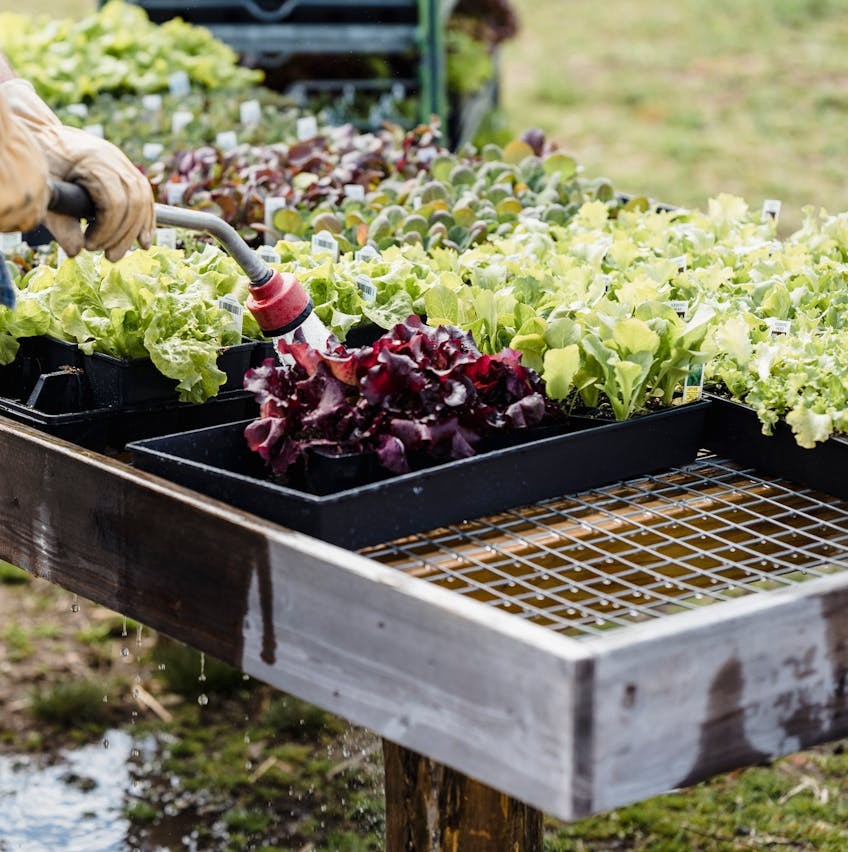
Getting a jump on the season by starting seeds indoors is a great solution for gardeners eager to grow warm season crops like eggplant and okra. Timing is essential: in this case, you can check the growing guides for each crop to find out how many weeks before your last frost you should start seeds—usually 4 to 6 weeks is ideal.
Soil temperature is just as important indoors as it is outside. Use a thermometer to ensure your seed-starting mix is at the right temperature for germination. For example, tomatoes and peppers need soil temperatures between 70–80°F (21–27°C) to sprout, while cool-season crops like lettuce can start in soil as cool as 40°F (4°C). Adjust the distance between your seedlings and any heat source to maintain the ideal temperature.
Once your seedlings are established and the risk of frost has passed, gradually acclimate them to outdoor conditions before transplanting them into your garden beds. This careful start will help your crops thrive and set you up for a great harvest, whether you’re growing tomato plants, okra, or any other warm season favorite.
7. Choosing the Easiest Vegetables to Grow by Soil Temperature
If you’re new to gardening or just want a reliable harvest, selecting vegetables that match your soil temperature is essential. Some crops are especially forgiving and perfect for beginners. Zucchini, cabbage, and leaf lettuce are great choices—they thrive in a range of conditions and are less fussy about temperature swings.
Read growing guides and articles to learn the specific needs of each crop. For example, squash and other warm-season crops do best when soil temperatures are above 60°F (15°C), while cool-season favorites like leafy greens, peas, and spinach can be sown as soon as the soil reaches 40°F (4°C). Collards, Swiss chard, and beets are also easy to grow and can be direct-seeded into your garden beds after the last frost date.
By selecting the right vegetables for your local conditions and soil temperature, you’ll enjoy a continuous harvest from your backyard garden. Don’t forget to protect your crops from weeds and bugs—healthy, vigorous plants are less likely to be bothered by pests. With the right selection and a little care, even a beginner can enjoy a bountiful, low-maintenance vegetable garden.
5. How Soil Temperature Varies by Region (and Why Your Zone Isn’t Enough)
Your yard will have several microclimates. Some will warm faster, some slower. Take advantage of this to plant tomato plants earlier, keep cool-season crops growing longer, or get a more bountiful harvest from your vegetable garden. Understanding the specific characteristics of your area, such as local microclimates and hardiness zones, is essential for optimizing planting schedules and soil preparation. For localized climate data, consult resources like the Midwestern Regional Climate Center.
Raised beds will warm sooner. They have a smaller mass and receive warmth from the air on all sides. Shaded areas will warm more slowly and stay cooler even in the midst of summer. South-facing walls reflect heat and warm the soil faster, and help keep it warm even after the first frost.
Soil type also affects how quickly your soil warms. Sandy soil warms—and cools—fastest. Clay soil warms the slowest.
At high elevations, the UV light is stronger, which helps warm the soil more quickly, while rain in the Southeast and Pacific Northwest can keep it cool longer. While the Midwest does have temperature extremes, daily temperature fluctuations are more moderate than at high elevations, and there are more sunny days than in more humid areas, so soil temperatures rise at a more moderate rate. Wind can also increase evaporation, cooling the soil and delaying the planting season in some areas.
When planning your vegetable garden, choose a location that receives adequate sunlight and has good drainage to support healthy plant growth. Most vegetables need 6 to 8 hours of direct sunlight daily for optimal development.
6. Common Mistakes Gardeners Make When Planting by Frost Date Alone
Planting tomatoes when the soil is still 55°F
Sowing peas too late because the frost date has passed
Assuming raised beds warm at the same rate as in-ground beds
Planting based on air temperature spikes
Overwatering cold soil (root rot risk)
Planting by soil temperature eliminates these guesswork errors.
7. How to Warm (or Cool) Your Soil Faster
If you’re eager to get planting, you can influence soil temperature:
Warm soil faster:
Cover soil with black plastic or landscape fabric
Remove mulch in early spring
Add compost (microbial heat!)
Use low tunnels or row covers
Apply a 2- to 3-inch layer of mulch to help regulate soil temperature, suppress weeds, and retain moisture
Cool soil in hot climates:
Add mulch
Water in the evening
Provide partial shade in the afternoon
Use lighter-colored mulches
Ensure soil does not become too dry, especially for young plants; consistent watering (about 1 inch per week) and deep, infrequent watering encourage deep root development to keep plants healthy
These techniques help you hit the ideal temperature window sooner — or keep cool-season crops from overheating. When preparing for planting, make sure soil is not too wet or too dry for optimal seedbed formation.
8. Putting It All Together: A Simple Soil-Temperature Planting Plan
Hear’s a step by step planting plan you can use every year.
Start measuring soil temps weekly in early spring.
Track your readings in a notebook or app.
Match your crops to their ideal temperature ranges.
Measure temperature for microclimates in your yard.
Re-check after weather swings.
Plant confidently — no more guessing.
This system works in every climate, every year, with every garden style.
Gardening can be a rewarding activity for the whole family, offering fresh produce, convenience, and enjoyment for everyone. For beginners, it's best to start with easy-to-grow vegetables like lettuce, green beans, radishes, zucchini, and tomatoes, and choose a small garden size such as a 4×4 or 4×8 raised bed to keep things manageable and satisfying. For more detailed guidance on growing specific vegetables, check out our dedicated pages and resources.
9. FAQs
What if my soil temperature is perfect but frost is still possible? For seeds, plant anyway. For tender transplants, wait until frost risk is minimal or use protection.
Do transplants need the same soil temperature as seeds? Generally yes — roots care about soil temperature just as much as seeds do.
Can I plant if soil temps are perfect only part of the day? Yes. Soil temperature changes slowly; morning readings are the most important.
What if I don’t have a soil thermometer? They’re inexpensive, but you can estimate by inserting your finger 2 inches deep — if it feels cold, it is cold.
10. Conclusion: Planting by Soil Temperature = More Success, Less Guesswork
Planting by soil temperature is the most reliable, climate‑adaptive way to grow a thriving vegetable garden. It removes the guesswork, reduces plant stress, and gives you stronger, healthier crops from day one.
If you want to garden with confidence — especially in a changing climate — let soil temperature be your guide.


