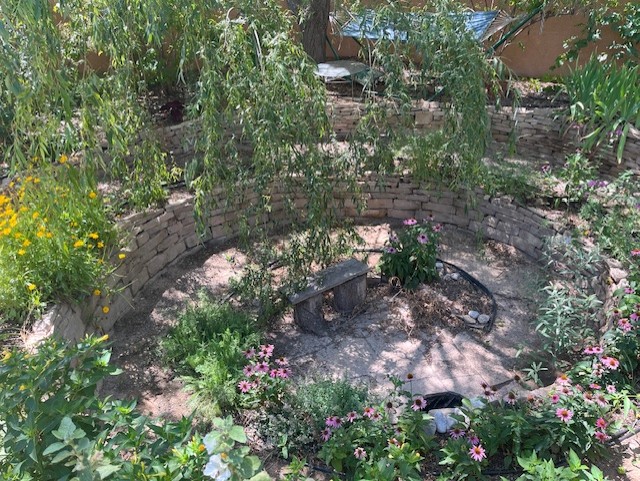
Permaculture Guilds
The Ultimate Guide to Permaculture Guilds for Thriving Gardens
Permaculture guilds are plant communities that work together to create a thriving ecosystem. Each plant in a guild supports others, improving soil, attracting beneficial insects, and maximizing resources. This guide will show you how to build and maintain a productive permaculture guild.
Key Takeaways
Permaculture guilds mimic natural ecosystems, creating resilient gardens by using diverse plant species that support each other.
Building a guild involves selecting a central plant, incorporating supporting plants, and integrating beneficial animals to maximize ecological function and productivity.
Maintaining a permaculture guild requires ongoing observation, adjustments, and practices like composting and natural pest control to ensure long-term health and yield.
Understanding Permaculture Guilds
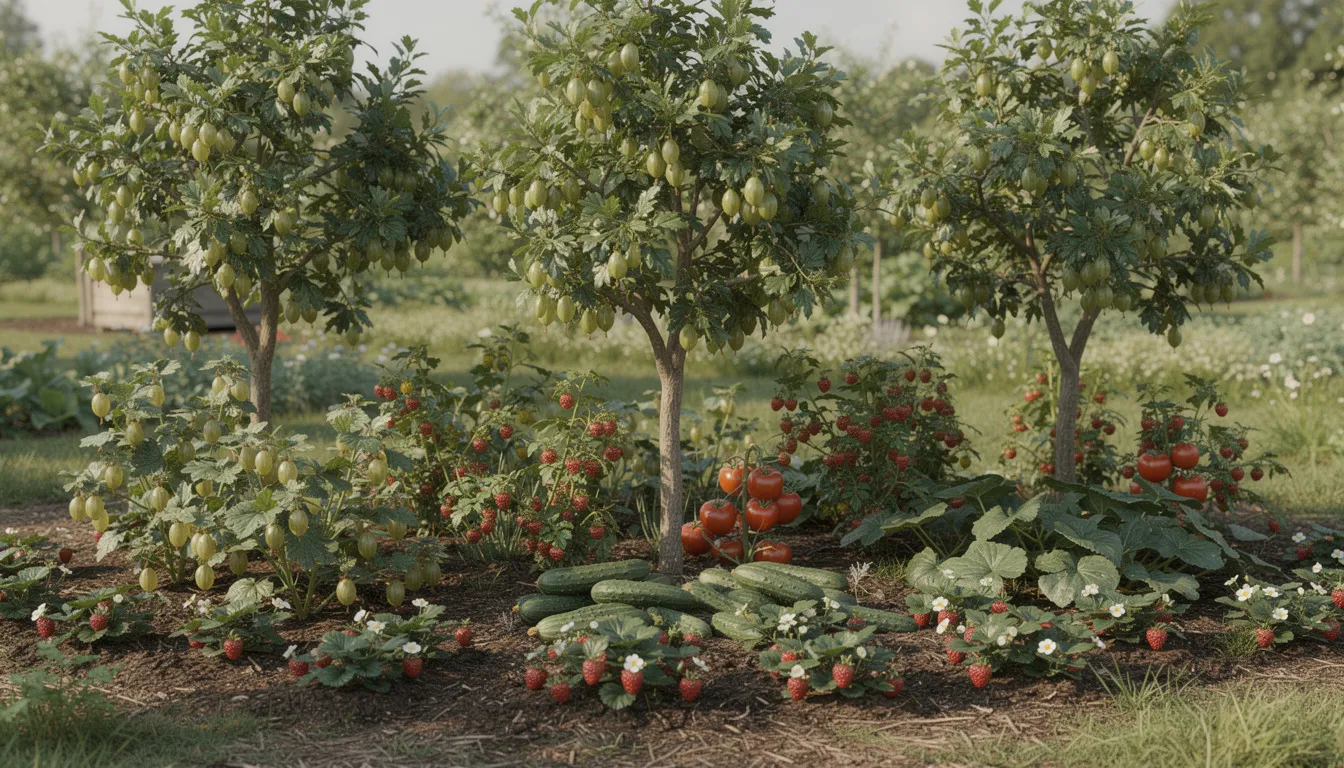
Permaculture guilds are more than just plant groupings—they are dynamic ecosystems where every element works synergistically to enhance each other’s growth and fulfill multiple ecological functions. Imagine a food forest where each plant serves at least three functions, contributing to a robust and resilient environment. This diversity not only stabilizes the ecosystem but also safeguards against crop failures by creating a more resilient garden.
These guilds are designed to mimic natural ecosystems by providing:
Food
Habitat
Climate stabilization
Soil regeneration
Think of a natural forest where every tree, shrub, and ground cover plant has a role to play. In a permaculture guild, each plant is carefully chosen to support the central element and other members, creating a self-sustaining system. Bill Mollison, a pioneer in permaculture design, emphasized that the output of a sustainable system must surpass its input, showcasing the efficiency of permaculture guilds over conventional farming methods.
Creating permaculture guilds not only benefits your garden but also fosters community engagement and enhances environmental stewardship. Implementing these practices allows community members to collaborate in growing food, restoring ecosystems, and creating sustainable food gardens. This shared knowledge can spark a movement towards more eco-friendly and resilient food production systems.
So, what exactly goes into building a permaculture guild? It involves choosing a central element, selecting supporting plants, and integrating beneficial animals. Each step requires careful planning and understanding of ecological functions, but the rewards are well worth the effort. Let’s dive into the process of building your own permaculture guild.
Building Your Own Permaculture Guild
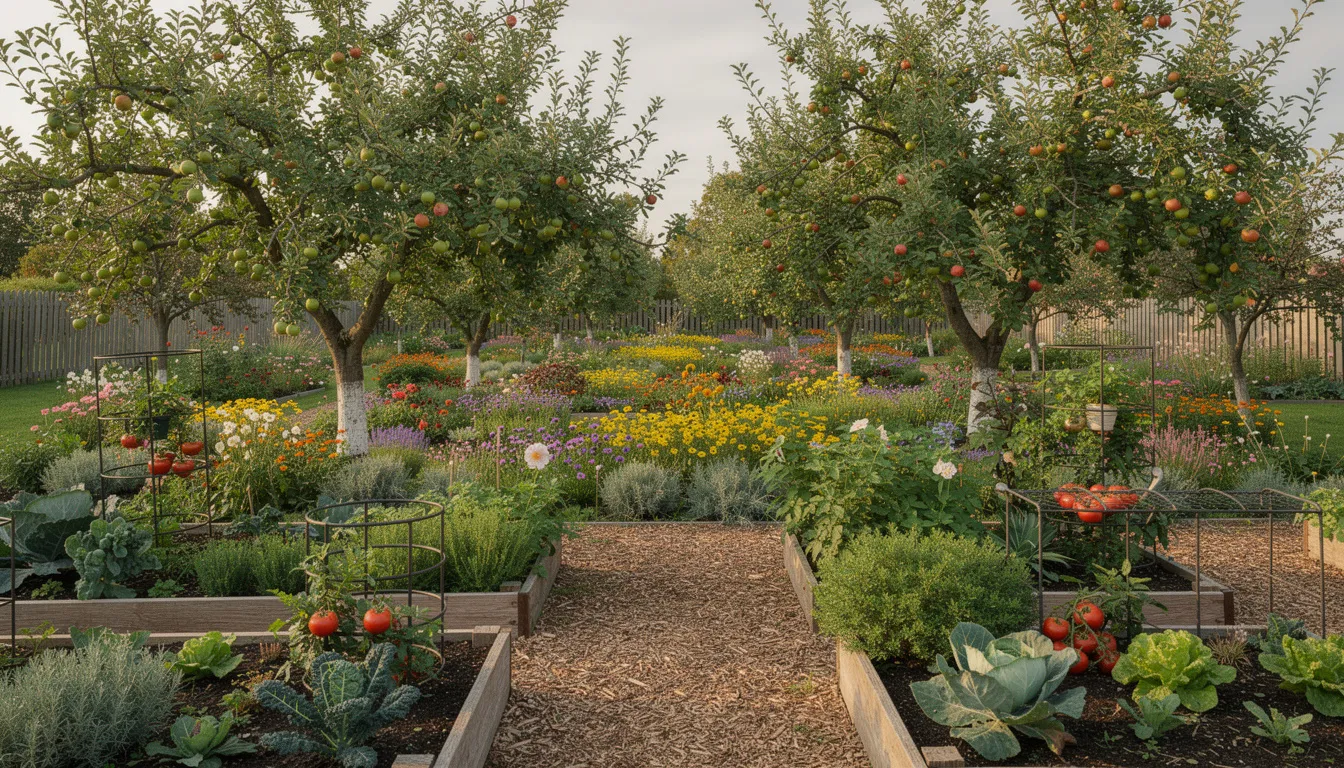
Creating a food forest is a multi-stage process that incorporates various ecological and agricultural practices. The first step in guild building is to select a central element, usually a fruit or nut tree, which will serve as the focal point of your guild. This central element should be suitable for your space and climate, ensuring it can thrive and support the other plants around it.
Once you have chosen your central element, the next step is to surround it with supportive plants that fulfill different ecological functions. These plants should include:
Nitrogen fixers
Pest repellents
Pollinator attractors
Dynamic accumulators This combination helps create a balanced and productive ecosystem.
The final component is to integrate beneficial animals, such as pollinators and pest predators, to further enhance the health and productivity of your guild.
Choosing the Central Element
Choosing the right central element is crucial for the success of your permaculture guild. When selecting a central plant, consider the available space to ensure that the size is appropriate for your garden. In smaller spaces, dwarf fruit trees or berry bushes can be effective central elements for a fruit tree guild. This allows you to create a productive guild without overwhelming your garden.
The central element serves as the focal point around which various supporting plants are arranged. This plant should be chosen based on its ability to thrive in your specific climate and soil conditions. Additionally, it should be able to provide multiple functions, such as food production, habitat creation, and soil improvement.
By selecting a central element that fulfills these criteria, you can ensure the success and sustainability of your permaculture guild.
Supporting Plants and Their Roles
Supporting plants play vital roles in permaculture guilds, providing food, medicine, nitrogen fixation, pest deterrence, and enhancing biodiversity. The key to a successful guild is to include a variety of plants that fulfill different ecological functions. For example, nitrogen fixers like white clover and dynamic accumulators with deep roots enhance soil nutrients, ensuring that your central element and other plants receive the necessary nutrients for growth. This process also includes plants that fixes nitrogen.
Mulchers such as comfrey and cardoon help suppress weeds and retain moisture within the guild, contributing to a healthier ecosystem. Pest-repellent plants like marigold, rosemary, and wormwood discourage harmful insects, protecting your central element and other plants from damage. Pollinator attractors such as lavender and borage enhance the overall productivity of your guild by attracting beneficial insects that aid in pollination.
These plants can be categorized as:
Mulchers: comfrey, cardoon (suppress weeds and retain moisture)
Pest-repellent plants: marigold, rosemary, wormwood (discourage harmful insects)
Pollinator attractors: lavender, borage (attract beneficial insects for pollination)
Additionally, some plants offer antifungal properties, supporting the health of other plants in the guild. For example, fennel and garlic chives can help apple trees by preventing fungal infections. Seasonal plants like kale and chamomile add diversity and additional harvest options during cooler periods, ensuring that your guild remains productive year-round.
Super plants, which combine multiple benefits such as nutrient provision, pest control, and pollinator support, are invaluable in a permaculture guild. By carefully selecting and combining these supporting plants that are planted, you can create different plant combinations that maximize yields and minimize maintenance.
Integrating Beneficial Animals
Beneficial animals play a critical role in the health and productivity of permaculture guilds. Pollinators, such as bees and butterflies, are essential for the production of fruits and seeds, ensuring that your guild remains productive. These insects help to fertilize flowers, leading to better yields and healthier plants.
In addition to pollinators, other beneficial animals can contribute to the success of your guild. For example, birds and predatory insects can help control pest populations, reducing the need for chemical interventions. By creating a wildlife habitat that attracts these beneficial animals, you can enhance the overall health and resilience of your permaculture guild.
Examples of Effective Permaculture Guilds
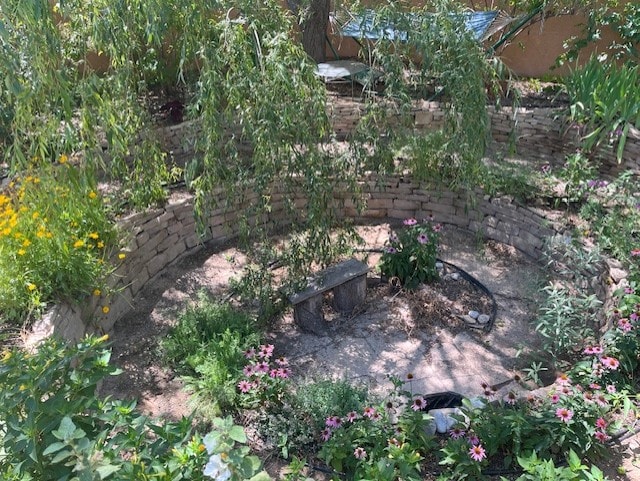
Successful permaculture plant guilds can be found in various environments, including urban food forests. These examples illustrate the adaptability of permaculture systems and provide inspiration for creating your own guild. By using native and naturalized species that fit the local ecosystem, you can ensure that your guild thrives and supports biodiversity.
Biodiversity in fruit tree guilds helps eliminate pest problems and enhances resilience. By linking various fruit and nut trees guilds together, you can create a superguild that enhances overall garden diversity and productivity.
Let’s explore two specific examples of effective permaculture guilds: the apple tree guild and the cherry tree guild.
The Apple Tree Guild
The apple tree guild is a common example of a fruit tree guild designed to enhance growth and sustainability. This guild benefits the central apple tree by fertilizing the soil, repelling pests, attracting beneficial insects, creating mulch, suppressing grass, and increasing biodiversity. Supporting plants such as daffodils can repel deer and fruit tree borers, while garlic chives improve soil health and enhance pest control.
By carefully selecting and arranging these supporting plants, you can create a thriving ecosystem around your apple tree. This not only improves the health and productivity of the apple tree but also contributes to the overall resilience and sustainability of your garden.
The Cherry Tree Guild
The cherry tree guild is another excellent example of a fruit tree guild that enhances resilience and growth. Native plants like comfrey and calendula play crucial roles in supporting the cherry tree by attracting beneficial insects and improving soil health. Recommended herbs for the cherry tree guild include comfrey, calendula, and chives, which attract beneficial insects and provide additional benefits to the guild.
By incorporating these supporting plants, you can create a balanced and productive ecosystem around your cherry tree. This not only enhances the health and yields of the cherry tree but also contributes to the overall biodiversity and sustainability of your garden.
Designing for Different Environments
Adapting permaculture guilds to different environments requires a thorough understanding of specific climate, landforms, soils, and living things. A comprehensive site survey is essential to assess soil texture, structure, and biological activity, ensuring that your plant selections are compatible with local land conditions.
Gaining a thorough understanding of your site involves walking the area, conducting surveys, and analyzing natural processes. Tailoring your guild design to the unique characteristics of your environment helps create a thriving and resilient ecosystem.
Let’s explore specific strategies for different environments: dry climates, temperate climates, and urban settings.
Dry Climate Guilds
Establishing guilds in dry climates requires utilizing water retention techniques to enhance moisture retention in the soil. Techniques like swales can be effective in capturing and storing water, ensuring that your plants receive the necessary moisture to thrive. In urban settings, greywater and rainwater collection can provide additional water for your plants, helping to prevent issues related to water infiltration.
Selecting drought-tolerant plants and implementing water-efficient techniques fosters a resilient and productive permaculture guild in arid environments. This not only supports your central element but also enhances the overall health and sustainability of your garden.
Temperate Climate Guilds
In temperate zones, the focus is on creating seven layers of plants that can succeed through seasonal changes. By layering plants effectively, you can create a thriving ecosystem that supports diverse crops throughout the seasons. This involves selecting plants that can withstand temperature fluctuations and provide continuous yields.
Understanding seasonal dynamics and choosing appropriate plant combinations helps create a resilient and productive permaculture guild in temperate climates. This approach not only enhances biodiversity but also ensures that your garden remains productive year-round with perennial plants.
Urban Settings
Urban food forests aim to merge food production with ecological practices in densely populated areas. Implementing permaculture in urban areas often involves maximizing vertical space and utilizing containers for planting. Vertical gardening is a practical approach for maximizing limited space in urban areas when establishing permaculture guilds.
Creatively using available space and incorporating permaculture principles enables the created productive and sustainable food garden in an urban setting where people can grow food and vegetables. This not only provides fresh produce to eat but also enhances the natural world and fosters community engagement through eating.
Maintaining Your Permaculture Guild
Maintaining a permaculture guild involves ongoing observation and adjustments to ensure its health and productivity. Using permaculture guilds saves time and effort in gardening and can reduce workload while increasing yield over time. Creating a food forest or guild is best started slowly, adding a couple of plants each season to allow for adjustments and learning.
Observing the interactions within your guild can provide valuable insights for its ongoing management and adjustments. If gentler low growing plants are overtaken by more vigorous plants, replanting the overtaken ones with less vigorous companions can maintain balance. This continuous process of observation and adjustment ensures the long-term success of your permaculture guild.
Soil Health and Composting
Soil health is the foundation of a thriving permaculture guild. Improving soil health before planting saves time and leads to better results in subsequent years. Dynamic accumulators are plants that mine minerals and contribute to soil health by accumulating minerals, providing food for beneficial insects, and adding biomass for compost. Tap roots also play a crucial role in mining minerals and improving soil structure.
Living mulch serves to keep the soil moist and prevent it from being bare. Proper spacing requirements prevent stress on plants and promote growth. When soil conditions are limiting, planting wider than the ‘crown touching’ distance can ensure better plant health.
Composting is another vital aspect of maintaining soil health. Using compost tea can enhance soil fertility and promote healthy plant growth. Focusing on soil health and composting creates a fertile and productive environment for your permaculture guild.
Pest Control Naturally
Natural pest control is an integral part of maintaining a healthy permaculture guild. A variety of plants within the guild creates stability and promotes the best health for all members. Pest repellents, such as marigold and rosemary, work by emitting strong scents or chemicals that deter harmful insects.
Attracting beneficial insects is equally important. Plants like bee balm and fennel provide a year-round supply of nectar and pollen, attracting helpful insects that prey on pests and attracts pollinators. Using a combination of pest repellents and beneficial insect attractors allows for an effective natural pest control strategy, reducing the need for chemical interventions and maintaining ecological balance.
Seasonal Care
Seasonal care is essential to ensure the longevity and productivity of your permaculture guild. Preparing your plants for winter involves methods such as mulching, covering plants, and ensuring proper drainage to protect them from harsh conditions. These preparations help your plants survive the winter and thrive in the following growing season.
Creating diverse habitats within your guild can attract beneficial predators that help manage pest populations naturally. Employing winter preparation techniques and fostering habitats for beneficial predators enhances the health and productivity of your permaculture guild year-round.
Educational Resources
Learning more about permaculture guilds and their maintenance is crucial for long-term success. Several permaculture books offer practical insights and detailed guidance. “Gaia’s Garden” by Toby Hemenway provides practical advice on backyard permaculture and ecological gardening. “Integrated Forest Gardening” by Wayne Weiseman, Daniel Halsey, and Bryce Ruddock is another excellent resource for understanding integrated forest gardening.
Online platforms often offer free permaculture courses that help individuals understand sustainable gardening techniques. Workshops can enhance community engagement and teach crucial skills for collaborative projects.
Local farms can act as demonstration sites, providing hands-on learning experiences to encourage community participation in permaculture guilds.
Summary
Permaculture guilds offer a sustainable and resilient approach to gardening. By understanding the principles of permaculture design, selecting appropriate plants and animals, and adapting your guilds to different environments, you can create a thriving and productive garden. The key is to start slowly, observe the interactions within your guild, and make adjustments as needed.
The journey to creating a thriving permaculture guild is rewarding and beneficial for both the environment and the community. By implementing these practices, you can contribute to a more sustainable and resilient food production system, fostering a healthier planet for future generations.
Frequently Asked Questions
What is a permaculture guild?
A permaculture guild is like a supportive community of plants and animals that work together to boost each other's growth and fulfill important ecological roles. It's all about creating a harmonious ecosystem!
How do I choose the central element for my guild?
Select a central element that fits your space and climate, as this will help it thrive and benefit the surrounding plants. It’s all about creating a harmonious environment!
What are some examples of supporting plants in a guild?
Supporting plants in a guild can be nitrogen fixers, pest repellents, pollinator attractors, and dynamic accumulators that boost soil nutrients. Including these types of plants will help create a healthier and more productive garden.
How can I control pests naturally in my permaculture guild?
You can control pests naturally in your permaculture guild by planting pest-repellent plants alongside those that attract beneficial insects. This combo creates a balanced ecosystem that keeps your plants healthy and pest-free!
Where can I learn more about permaculture guilds?
You can explore books like "Gaia's Garden" and "Integrated Forest Gardening," or check out online courses and workshops to dive deeper into permaculture guilds. They'll provide great insights and practical knowledge!


