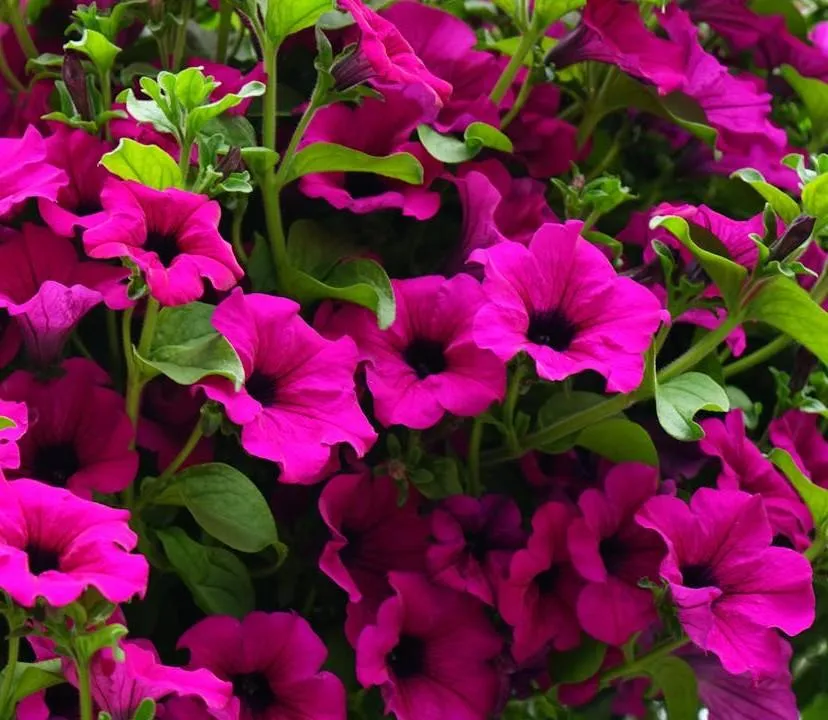
The Best Annual Flower Garden Ideas for Vibrant Blooms All Season
10 Best Tips for Growing a Stunning Annual Flower Garden
Want to grow a vibrant annual flower garden? This guide will show you how, covering everything from choosing flowers to planting and care.
Introduction to Annual Flowers
Annual flower gardens offer unmatched seasonal color and flexibility, making them a favorite among gardeners. Annual flowers are beloved for their showy, colorful blooms that bring seasonal interest to the garden. Annual flowers are a gardener’s secret weapon for creating a vibrant, ever-changing landscape filled with bright blooms and color from spring through fall. These colorful annuals are beloved for their ability to transform any space—whether you’re filling garden borders, designing eye-catching hanging baskets, or adding a splash of color to window boxes and large containers. With the right care, annual flowers will continue blooming throughout the entire growing season, ensuring your garden is bursting with beautiful blooms all summer long.
This guide is perfect for both beginner and experienced gardeners looking to create a stunning annual flower garden. Using annuals allows you to compose really exciting combinations of color, form and texture that will last all season long. Plants for a beautiful annual flower garden should match specific sunlight and soil conditions.
One of the greatest advantages of annual flower gardens is their versatility. Many annuals, such as globe amaranth and spider flower, are known for their abundant flowers and long blooming periods, making them a top choice for gardeners who want season-long color. Some annuals, including tender perennials, can thrive in partial shade, while others flourish in full sun, giving you plenty of options for every corner of your garden. Whether you’re planting in well-drained garden beds or using potting soil with added peat moss in containers, annuals adapt well to a variety of growing conditions.
Annual flowers are also perfect for creative gardening projects. They can be grown in combination containers, used as seasonal ground cover, or mixed with other plants for a dynamic display. Popular varieties like tuberous begonias add unique texture and color, while easy annuals make maintenance a breeze. To keep your annuals looking their best, it’s important to provide frequent watering, good drainage, and avoid overhead watering, which can lead to leaf drop and other issues.
In this guide, we’ll explore everything you need to know to grow stunning annual flowers that will bloom all season long. Here’s what you can expect to learn:
The different types of annual flowers, including tender perennials
How to care for annuals, from watering and fertilization to deadheading and pruning for more abundant flowers
Tips for growing annuals in containers, window boxes, and in the ground
The importance of good drainage, organic matter, and proper soil preparation
How to protect your annuals from frost and weather-related challenges
By the end of this guide, you’ll have all the knowledge you need to create a garden filled with colorful annuals and abundant flowers. Whether you’re a seasoned gardener or just starting out, annual flowers offer endless possibilities for creativity and beauty. Let’s dive in and discover how to make your garden bloom with annuals all season long!
Key Takeaways
Choose the right annual flowers based on factors like height, light preference, and fragrance for a customized garden.
Prepare your garden bed with well-drained soil, adequate spacing, and proper pH to ensure healthy growth.
Regular care, including watering, fertilizing, and deadheading (removing spent flowers), is essential for maintaining vibrant blooms throughout the season.
Choosing the Right Annual Flowers
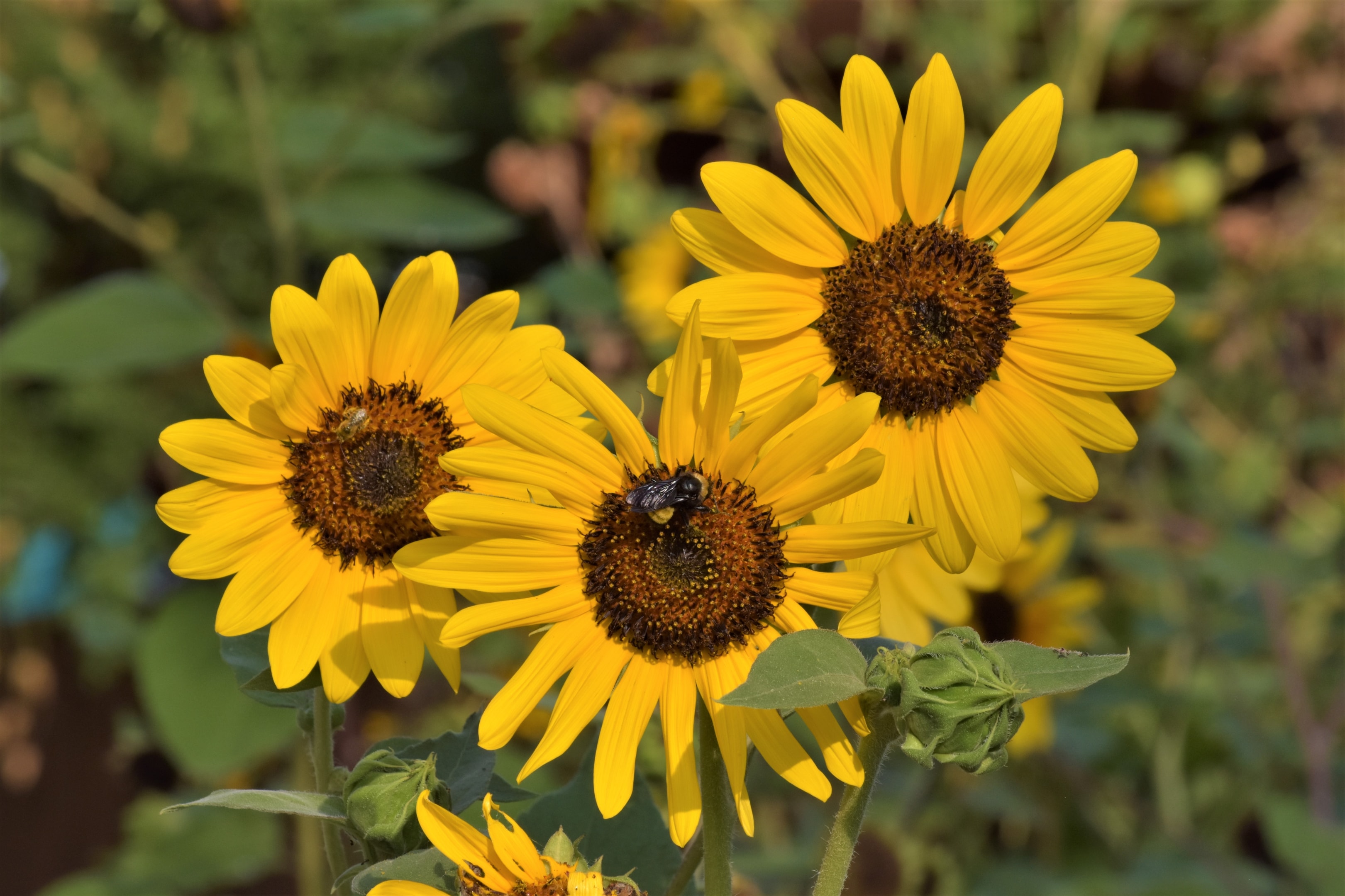
Selecting the right annual flowers is essential for creating an eye-catching garden. Annual plants are perfect for filling gaps, crafting cutting gardens, or incorporating into container gardening. Because of their vibrant and showy blooms, they create dynamic color, shape, and texture combinations.
Plants for a beautiful annual flower garden should match specific sunlight and soil conditions. Annuals are versatile and provide new opportunities for gardeners to try different species and layouts yearly. When picking out annuals, consider factors like plant height, preference for sunlight (be it full sun or partial shade), scent strength, and whether they have appealing leaves in order to tailor your garden space according to personal taste and environmental conditions. Their abundant flowers and bright blooms, and the fact that they can flower from early spring to late fall, make them popular with many gardeners.
Zinnias, pansies, and snapdragons are known for their tolerance to a range of soil types. Zinnias, in particular, are a popular flower among gardeners due to their vibrant colors and strong appeal to butterflies, making them a favorite for summer gardens and cut flower arrangements.
Novice green thumbs and seasoned horticulturalists alike, are attracted to the long blooming season and rapid growth of many annuals. Garden centers offer plenty of choices among many long-blooming varieties of annuals that make splendid additions to any garden design.
Designing an Annual Flower Garden
Crafting a garden with annual flowers requires thoughtful preparation, taking into account elements such as favorite colors and the amount of sunlight required. Including a variety of annuals can boost the visual appeal and foster lively designs. The most popular and widely grown annuals are used as bedding plants, creating combinations of brightly colored flowers and foliage.
Mass Planting
Mass planting of annuals can create bold drifts of color and maximize visual impact in the garden.
Combining with Shrubs
Incorporating flowering shrubs alongside annuals can add structure, seasonal interest, and contrasting foliage or flowers to the garden design.
Annuals with Perennials
Integrating annuals alongside perennials in your garden design leads to a dynamic and colorful display, with flowers consistently blooming all season long. This strategy guarantees that there are no pauses in color, as a long blooming annual bridges any potential gaps and elevates the visual appeal.
Incorporating annuals into areas populated by perennials provides coverage for any empty spaces and assures a relentless cascade of blooms throughout the growing period. Employing this method is especially beneficial for improving the aesthetic continuity of your garden’s appearance while ensuring a constant presence of vibrant hues.
Color Schemes and Combinations
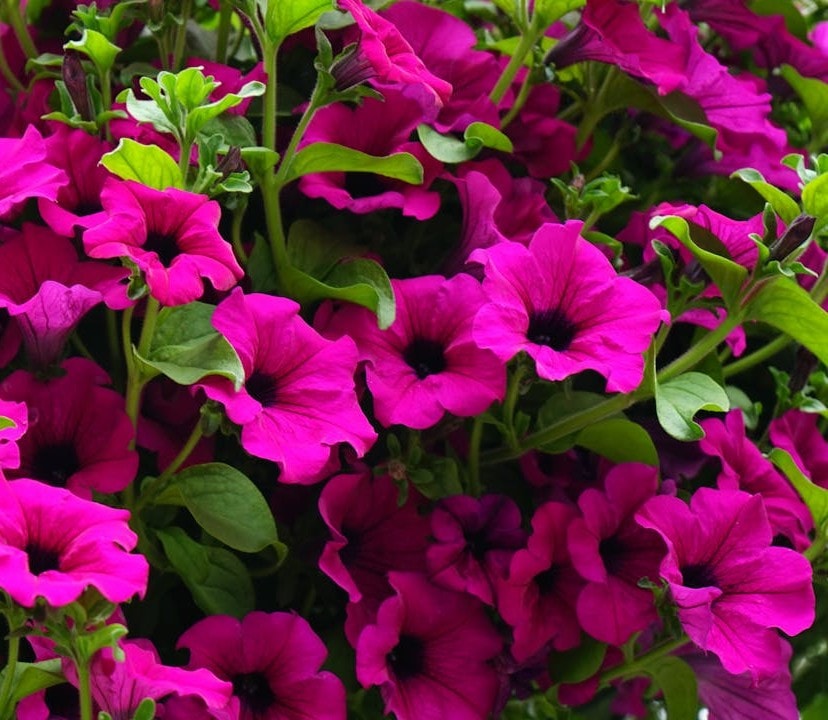
Implementing a harmonious color scheme can significantly amplify the aesthetic appeal of flower compositions and the cohesive look of your garden. Employing a mix of contrasting hues, from deep to pale tones, can produce dramatic visual contrasts that elevate the beauty and allure of your outdoor space. For example, incorporating purple flowers, such as lobelia or globe amaranth, next to orange marigolds, coneflowers, or gerbera daisies can create vibrant, eye-catching contrast in flower beds, borders, and containers.
Incorporating plants at different growth stages and flowering times, and adding new plants in the early spring, summer, and early fall, ensures that your garden retains its captivating charm throughout the entire growing season. Because of their abundant flowers, annuals can be used to design dramatic hanging baskets and window boxes. Annuals are also commonly used as bedding plants to create seasonal displays in garden beds.
Using Annuals in Containers
Using annuals in large containers is a great way to add versatility to your garden. Containers need adequate drainage holes to prevent waterlogging, crucial for the health of annual plants. The right size and type of container significantly impact the health and growth of your annual flowers.
The ‘Thriller, filler, spiller’ technique aids in arranging plants within containers for maximum visual appeal. Petunias and other flowers in containers often require more frequent fertilization due to limited soil nutrients compared to ground-planted ones.
Licorice plant is a popular choice for container gardens and can be easily propagated by taking cuttings before frost.
Once you have a design in mind, it's time to prepare your garden bed for planting.
Preparing Your Garden Bed
To cultivate a flourishing garden of annual flowers, it’s imperative to begin with the proper groundwork.
Soil Preparation
Annual flowers prefer well-drained soil with a pH between 6.3 and 6.7. Most annuals flourish in soil that offers excellent drainage and typically prefer soil pH levels from 6.3 to 7.0, although petunias and pansies prefer slightly more acid soils and cosmos, poppies, sunflowers, and marigolds can tolerate more alkaline soil. Most annuals prefer moderately fertile soil, although zinnias, pansies, and snapdragons (actually a tender perennial grown as an annual in northern zones) can tolerate poor soil. Additionally, cornflowers and sunflowers are excellent choices for gardens with poor soils due to their resilience and low-maintenance requirements. California poppy, cosmos, marigold, and nasturtiums survive dry soil better than some other plants.
Soil Amendments
Incorporating peat moss or coconut coir into your garden bed aids in moisture retention while also providing vital nutrients to the plants. A generous application of compost derived from autumn leaves and household vegetable waste can significantly increase nutrient content and safeguard the soil when gardening activities pause during colder months. Incorporating soil amendments such as compost, or other organic materials can further improve soil structure and fertility for annual flower gardens. By engaging in this preparatory work, you’re setting up an enriched habitat conducive to vigorous growth among your annual plantings.
Spacing and Tilling
When sowing varieties like spreading petunias, remember they require space to ensure they have ample room for expansion as they mature: grandiflora and multiflora types require about 12 inches between plants while milliflora varieties can be placed closer together with only 4 to 6 inches apart. Tilling the earth thoroughly between depths of eight and ten inches is advised for most annual species. Doing so promotes robust root formation, which is foundational for spawning a vibrant and healthy flower garden.
With your garden bed prepared, you’re ready to move on to planting your annual flowers.
Planting Annual Flowers
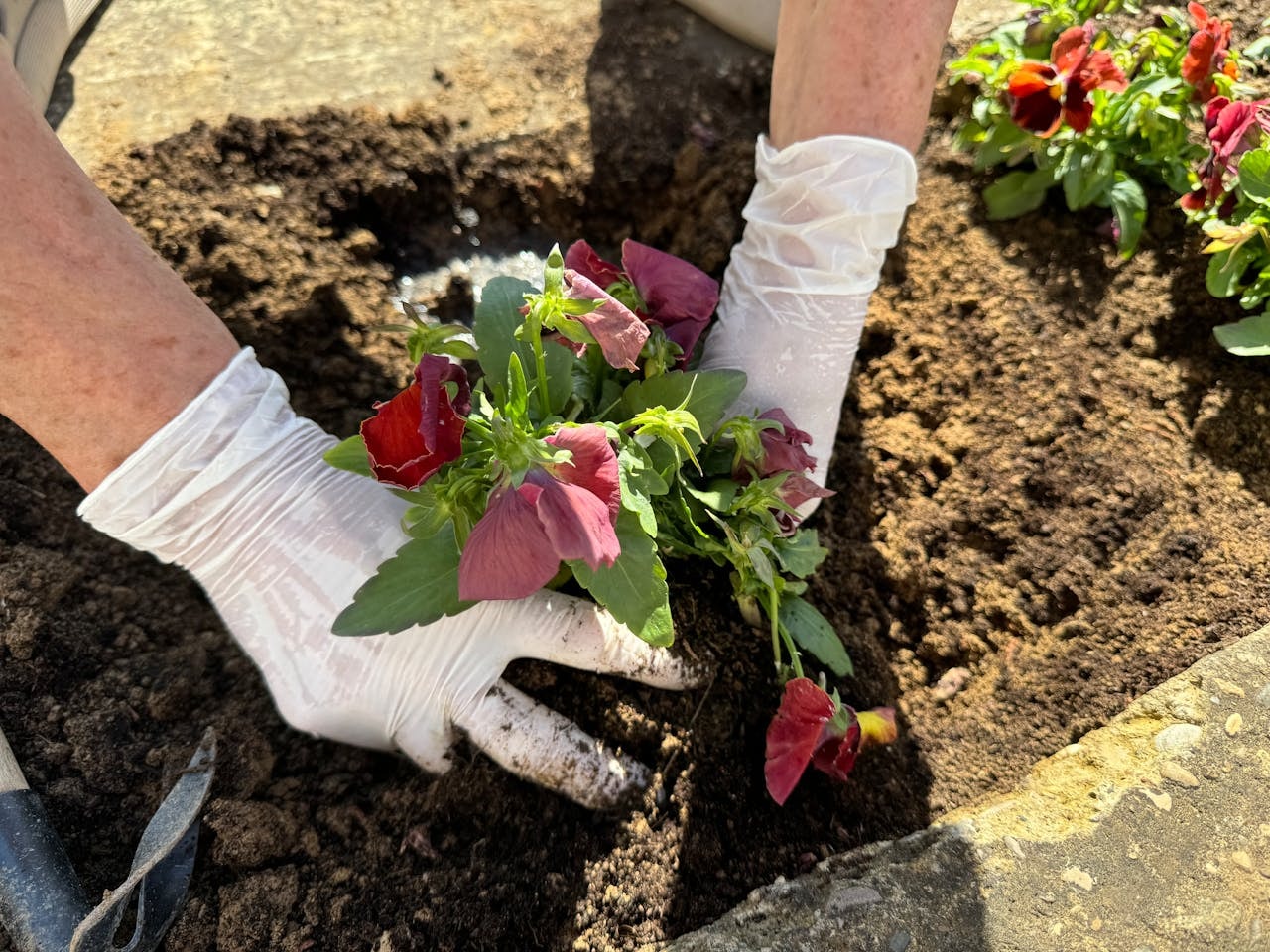
It’s critical to time the planting of annual flowers correctly. By waiting until after the last spring frost date, you can prevent damage from cold weather to delicate annuals. For best results, both seeds and transplants should be planted only after the danger of frost has passed. Monitoring local patterns of frost will fine-tune your timing for planting, leading to a robust start for your blooms.
The temperature of the soil is especially important when it comes to sensitive annuals such as zinnias that flourish at temperatures over 60°F. Seeds should be sown at a depth that is two or three times their diameter in order to provide optimal conditions for germination and growth.
Water seeds right after they are planted to begin germination and help establish their root systems. Petunias and many other annuals will continue to bloom until the first frost, which marks the end of their growing season. Good spacing along with initial nurturing promises a garden season filled with luscious floral displays.
Once your annuals are planted, it’s time to focus on their ongoing care to ensure a season full of blooms.
Caring for Annual Flower Gardens
Diligent care will help your annuals produce more flowers and in some cases larger flowers. Consistent watering is crucial to sustain plant vigor and stave off pests, which could potentially damage your plants.
Mulching and Weed Control
Applying mulch around annuals helps conserve soil moisture and suppress weed growth.
Pest Management
Enlisting natural allies such as ladybugs and lacewings can effectively manage pest numbers, contributing to a flourishing garden.
To keep your garden looking its best and staying healthy, it’s essential to focus on several fundamental tasks:
Watering Techniques
Shallow root systems of annual flowers necessitate more frequent watering as they dry out quickly.
Annuals in containers may require watering once or twice daily during hot, dry weather to maintain soil moisture.
Good drainage is essential to prevent waterlogging and root rot.
Avoid overhead watering, as wetting foliage and flowers can lead to disease. Water at the base of the plants to keep the soil moist without encouraging fungal growth.
Fertilizing for Abundant Blooms
Incorporate organic substances like compost into the soil to enhance both drainage and nutrient holding capacity.
Use organic or slow-release fertilizers when planting to deliver crucial nutrients that encourage robust development and a greater abundance of flowers.
Apply a balanced fertilizer every couple of weeks during summer months to help petunias and other annual plants generate more blooms and retain their aesthetic appeal.
Monthly feeding guarantees that your plants get the necessary nutrients to flourish.
Deadheading and Pruning
Deadheading is the practice of removing flowers that have faded or withered to stimulate new growth in plants and encourage them to continue blooming.
In petunias and various other annuals, consistent deadheading redirects the plant’s energy towards generating more blooms rather than seed formation, which extends their flowering period.
It is important to distinguish between spent flowers and almost-open flower buds. On most petunias, the buds are closer to the end of new growth and the spent flowers are lower.
Pruning certain annuals during summer can revive them and encourage fresh growth. Cutting back petunias by half around midsummer, for example, can significantly boost their vigor and visual appeal.
With these care techniques, your annual flower garden will thrive and provide continuous color.
Popular Annual Flowers for Every Garden
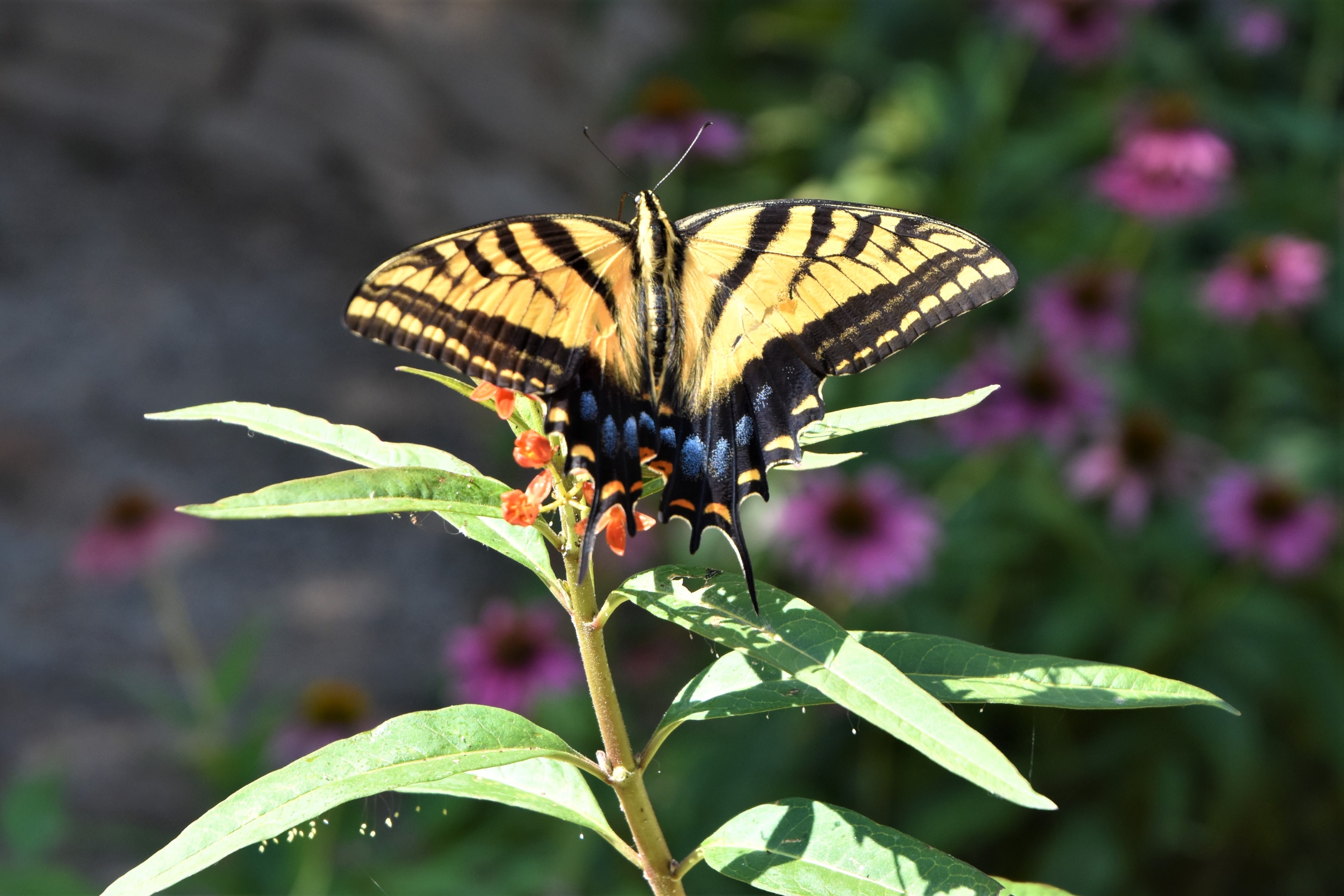
Colorful annuals such as marigolds, petunias, and zinnias are commonly selected for gardens due to their striking hues and enduring flowers. Petunias in particular, including most varieties of the flower, are highly sought after for their diverse color palette, more abundant flowers, and straightforward growth requirements. Supertunia Vista petunias are especially valued for their superior performance, earlier flowering, and vigorous growth compared to other petunias. These vibrant annual flowers have the power to turn any garden into a dazzling display.
Zinnias are tough, easy-to-grow annuals that bloom non-stop all summer.
Marigolds boast an array of brilliant colors and have the capacity to flourish continuously from early summer until fall. They play a dual role in gardens by repelling pests like aphids that can be harmful while simultaneously drawing in pollinators.
Zinnias come in an assortment of colors and shapes, serving not only as magnificent cut flowers but also luring beautiful blooms into your garden space.
Most annuals are enjoyed for one season and then replaced or replanted the following year. Some will overwinter in warmer regions and continue producing blooms as long as they are deadheaded.
Quick Reference Table: Annual Flower Types
Type
Examples
Sunlight Needs
Key Features
Sun-Loving Annuals
Lantana, Marigold, Petunia, Cosmos, Globe Amaranth
5-6+ hours full sun
Bright colors, attract pollinators, heat tolerant
Shade-Tolerant
Impatiens, Tuberous Begonia, Lobelia
Partial to full shade
Colorful blooms in low light, moist soil
Heat-Resistant
Celosia, Firecracker Plant, Cosmos
Full sun, hot weather
Withstand heat, continuous blooms, low care
Common Pests and Diseases
Maintaining a healthy garden involves managing common pests and diseases. Aphids can affect many annuals, causing yellowing leaves and spreading various plant viruses. Spider mites thrive in hot, dry conditions, causing yellowing leaves and webbing. Both of these pests can be washed off of plants with a spray nozzle set on the shower setting.
Good air circulation among plants helps prevent diseases like powdery mildew. Removing diseased plants prevents the spread of spores that can survive in the soil. These steps help maintain a healthy and thriving garden.
With pest and disease management in place, you can focus on extending your garden’s bloom season.
Extending the Bloom Season
Extending the bloom season keeps your garden vibrant and colorful throughout the growing period. Staggered planting ensures continuous blooming by sowing seeds or planting transplants at different times. As one set of flowers fades, another begins to bloom, providing constant color. Once the flowers have bloomed and leaf drop begins, the plant can be removed.
Some annuals will continue blooming into the winter. A late fall planting of pansies can be covered with mulch and will survive the winter in zone 7 and possibly zone 6 depending on the weather. Leaving some flowering plant material over winter provides habitat for beneficial insects, though it may delay late spring cleanup and planting.
These strategies ensure your garden looks its best for as long as possible.
Best Practices for End-of-Season Care
Maintaining your garden at the end of its cycle ensures it remains in prime condition for the forthcoming growing period, even if that period spans only a single season. After experiencing the initial frost, tidying up your garden is critical to deter pests and diseases from surviving through winter and creating issues in the following year.
Recycling withered plants through composting returns valuable nutrients back into your soil, enhancing its fertility. To set the stage for vigorous plant development in the next cycle, it’s important to incorporate organic matter and essential nutrients. These steps are vital in preparing your garden to flourish with the onset of a new growing season.
Summary
Growing a stunning annual flower garden involves thoughtful planning, careful preparation, and diligent care. By choosing the right annual flowers, preparing your garden bed properly, planting at the right time, and providing consistent care, you can create a vibrant and colorful garden.
Using annuals allows you to compose really exciting combinations of color, form and texture that will last all season long. Remember to incorporate popular annuals that suit your garden’s sunlight and climate conditions, and consider creating combination containers and mixing annuals with perennials to enhance your garden’s visual appeal. By managing pests and extending the bloom season, you can enjoy beautiful blooms all season long. Start your gardening journey today and transform your space into a colorful paradise.
Frequently Asked Questions
When is the best time to plant annual flowers?
The best time to plant annual flowers is after the last frost date to keep them safe from the cold. Just wait for that frost to pass, and you’ll be good to go!
How often should I water my annual flowers?
You should water your annual flowers consistently, twice or three times a week if it doesn't rain, or once or twice a day if they’re in containers and it’s hot and dry.
Keeping their shallow roots hydrated is key to flower size and health!
What are some good annuals for shady areas?
If you’re looking to add some color to shady spots, impatiens, tuberous begonias, and lobelia are excellent choices. They thrive in low light and will brighten up your garden beautifully!
How can I extend the blooming season of my annual flowers?
To extend the blooming season of your annual flowers, deadhead them regularly or try staggering your planting throughout the season and take care to overwinter them properly.
This way, you’ll enjoy vibrant blooms for a longer period.
What should I do with my garden at the end of the season?
At the end of the season, it’s crucial to clean up your garden to keep diseases and pests at bay.
Make sure to compost your spent plants and enrich the soil with organic matter for a healthier garden next year.


