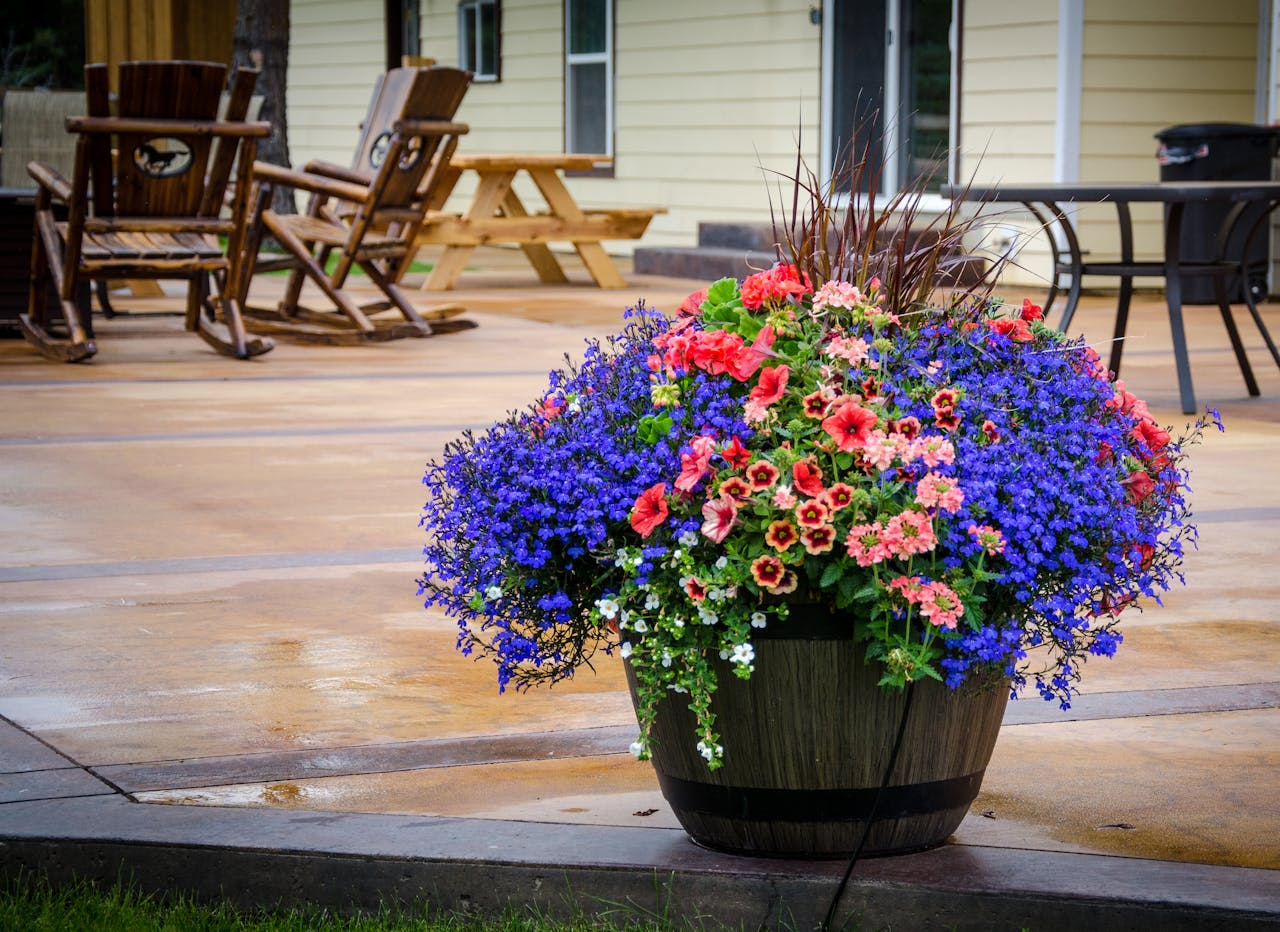
How to Transition Your Indoor Garden Outdoors for the Summer with Ease
Key Points
Most indoor miniature trees, vegetables, flowers, herbs, and houseplants can be outside from late spring to early fall when nighttime temps are above 50–60°F (10–16°C).
Plants must be acclimated slowly over 10–14 days to handle more light, wind and temperature fluctuations without leaf burn or shock. Acclimating indoor plants to outdoor conditions is crucial to prevent stress and damage.
Plants will need to be watered more often once they are outside due to higher temperatures, more light and wind.
Check for pests and adjust your watering and feeding schedule before bringing plants back inside in early fall. Bring plants inside before nighttime temps idrop below 50°F to prevent cold damage.
Success depends on matching each plant’s light, water and fertility needs with the right outdoor spot.
Pre-Transition Checklist: Plant Health and Readiness
Throughout this guide we'll focus on three big things: how outdoor light changes everything, how much more often you will water and how fertility needs increase in summer.
Before you start moving indoor plants outside for summer, make sure they are healthy and ready for the change. A little prep now will help your houseplants, tropical plants and herbs thrive in outdoors during the warm summer months.
Start by giving each plant a good once over. Look for any pests hiding under leaves or along stems and check for diseases like spots, mold or yellowing foliage. Fix any issues before moving indoor plants outside—treat pests with insecticidal soap or horticultural oil and trim away damaged leaves to encourage new growth.
Next check the soil moisture in each pot. Indoor plants need less water than they will outside but you don’t want to underwater or overwater before the move. Make sure your pots have good drainage holes to prevent water from pooling at the bottom which can lead to root rot once outside in summer rain or higher humidity. If you see roots circling the pot or growing out of the drainage holes, consider repotting into a slightly larger pot with fresh well draining soil. Think about your plants. Some like flowering plants and a few tropicals will want more light and higher humidity but may be sensitive to direct sun at first. Others like herbs and succulents will need protection from too much rain or wind. Note which plants can take direct sun and which will do better in dappled shade or under trees.
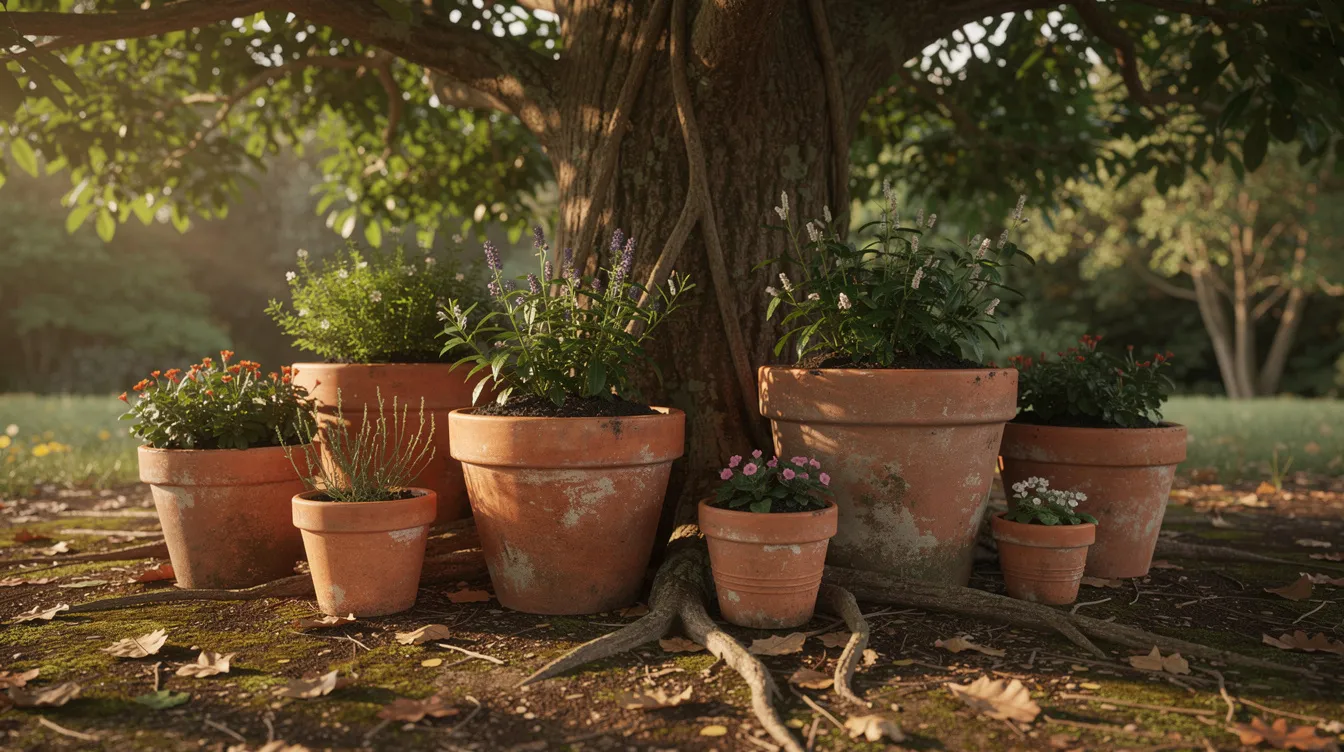
Now look at your outdoor spaces. Where will you find the right balance of sun, shade and shelter from strong wind or heavy rain? If your patio or garden gets intense afternoon sun, consider creating a shaded area with umbrellas, canopies or by placing pots under trees. This will prevent leaf burn and keep soil moisture more consistent as your plants adjust to the new light intensity and fresh air.
Why Move Your Indoor Garden Outdoors for the Season?
After a long winter indoors your potted plants need a summer vacation. From roughly late May to late September in most temperate regions moving indoor plants outside gives them fresh air, natural humidity and brighter light than any window can provide.
What will you move: miniature citrus or ficus trees, potted tomatoes and peppers, container zinnias and petunias, patio herbs like basil and thyme, common houseplants like pothos, spider plants and peace lilies. All of these can thrive outside during the warm summer months.
The benefits are real. Wind strengthens stems. Natural light—often 10 to 100 times stronger than indoors—can boost growth by up to 50%. Increased light and fresh air from being outside can create new healthy growth in houseplants. Vegetables will set more fruit. Flowering plants will bloom longer. Herbs will grow faster and taste better. Moving indoor plants outside can also simplify and reduce the time you spend caring for them during the summer months.
If you have oversized houseplants consider pruning and propagating them to create new plants or encourage new growth. Long stems can break during the move or in high wind. It may be easier to propagate a new plant than move on out in spring and back in when fall comes.
When Can You Move Indoor Plants Outside?
Timing is everything. Use your local last frost date and nightly lows as your guide. Many tropical houseplants and herbs should wait until nights are above 55–60°F. Tougher plants like geraniums and some vegetables can go out when nighttime temperatures are above 50°F. In the U.S. Midwest or Northeast this means mid-May to early June. On the mild West Coast late April works for most plants.
Moving plants out too early can cause real damage. A surprise 35–40°F night can cause blackened leaves, slowed growth and root stress. Do a test week first: place plants on a sheltered porch once the 10-day weather forecast shows no nights below 50°F. If they look happy after a few weeks, commit to the move.
How to Acclimate (Harden Off) Indoor Plants to Outdoor Life
Here is where many gardeners go wrong. You can’t move a plant from a dim living room to full sun on a driveway without trouble. The gradual introduction to outdoor conditions—called hardening off—prevents shock.
Plan for 10–14 days. On day one set plants outside in full shade for just 1–2 hours. Each day add an hour or two of outdoor time. By day five sun-loving plants like tomatoes, rosemary and dwarf citrus can get morning sun before 11 a.m. then move to afternoon shade. By day 10–14 they can stay outside around the clock.
Shade-lovers like ferns, calatheas and peace lilies should never sit in hot afternoon sun. Keep them in a shady area or dappled light the entire season. Watch for stress signs during the transition: wilting at midday, pale or yellow patches or crispy leaf edges. If you see these slow down and give the plant more shade.
Choosing the Right Outdoor Spot: Light, Wind and Shelter
The right spot is mostly about light but wind and shelter from too much rain also matter.
Think of your outdoor spaces in zones. The north side of your house is full shade. The east side is gentle morning sun. South and west sides are stronger afternoon sun—sometimes too strong for delicate foliage.
By plant type:
Miniature trees (dwarf lemon, fig, olive): 6+ hours of sun. Morning and midday sun with a break from harsh late afternoon rays works best.
Container vegetables (tomatoes, peppers, bush beans): 6–8 hours of direct sun in a sunnier location out of strong wind.
Flowering annuals (petunias, marigolds, geraniums): 4–6 hours of direct sun for best blooms.
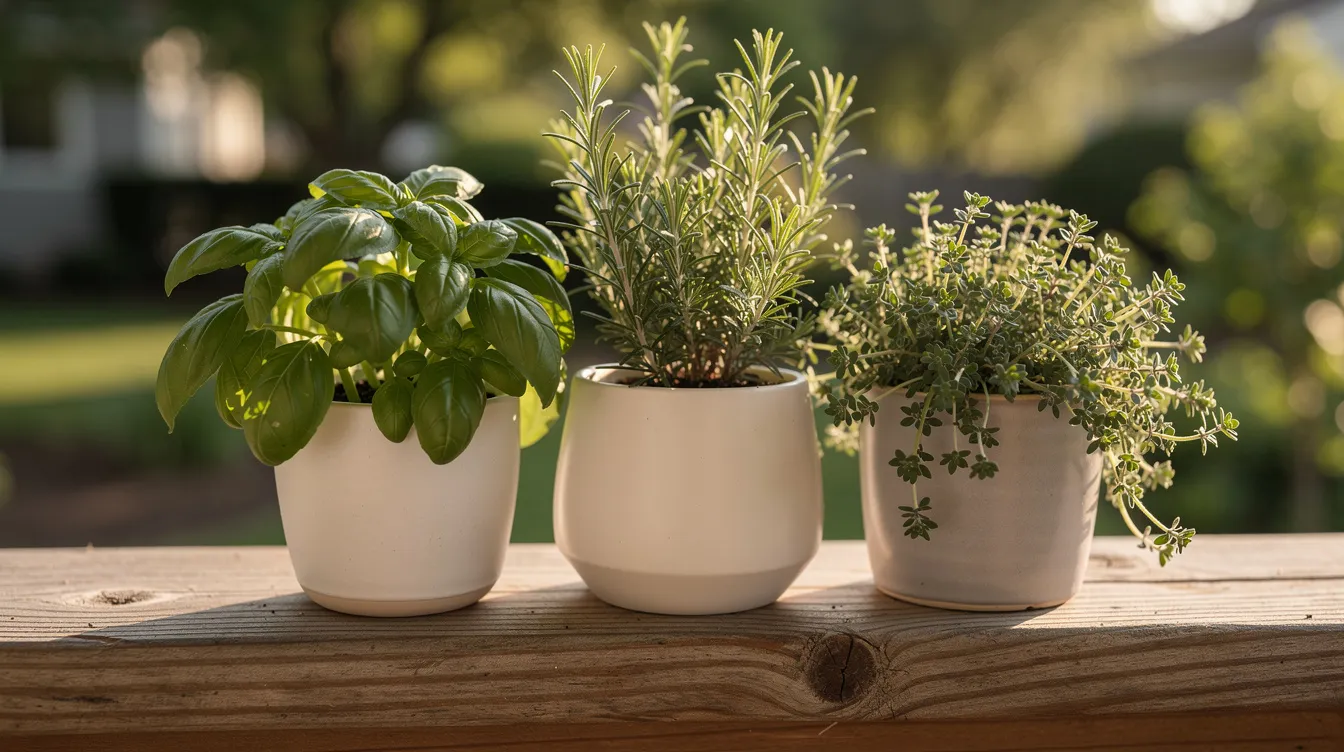
Herbs: Basil and parsley 4–6 hours. Mint part shade. Rosemary and thyme full sun with good drainage.
Tropical houseplants (pothos, philodendron, snake plant, peace lily): Bright shade or dappled light under a tree or covered porch.
Group pots together to reduce wind stress. Use plant stands or bricks to keep containers off hot concrete which can cook roots. A wall or fence blocks harsh prevailing winds. Protect outdoor plants from strong winds and heavy rain to prevent damage. When arranging your garden consider the placement of your plants in relation to other plants—grouping or separating them can help with acclimation and pest management. Remember: even sun-loving species need a gradual ramp-up, because light outdoors is many times stronger than indoors.
Watering Plants Outdoors: How Needs Change
Your indoor watering habits won’t work outside. Wind, warmer air and stronger light dry out soil moisture much faster.
Use the finger test: stick your finger 1–2 inches into the soil. If it feels dry, water. In full summer sun many potted vegetables, flowers and herbs may need water daily or every other day. Shade-loving houseplants might only need water every few days.
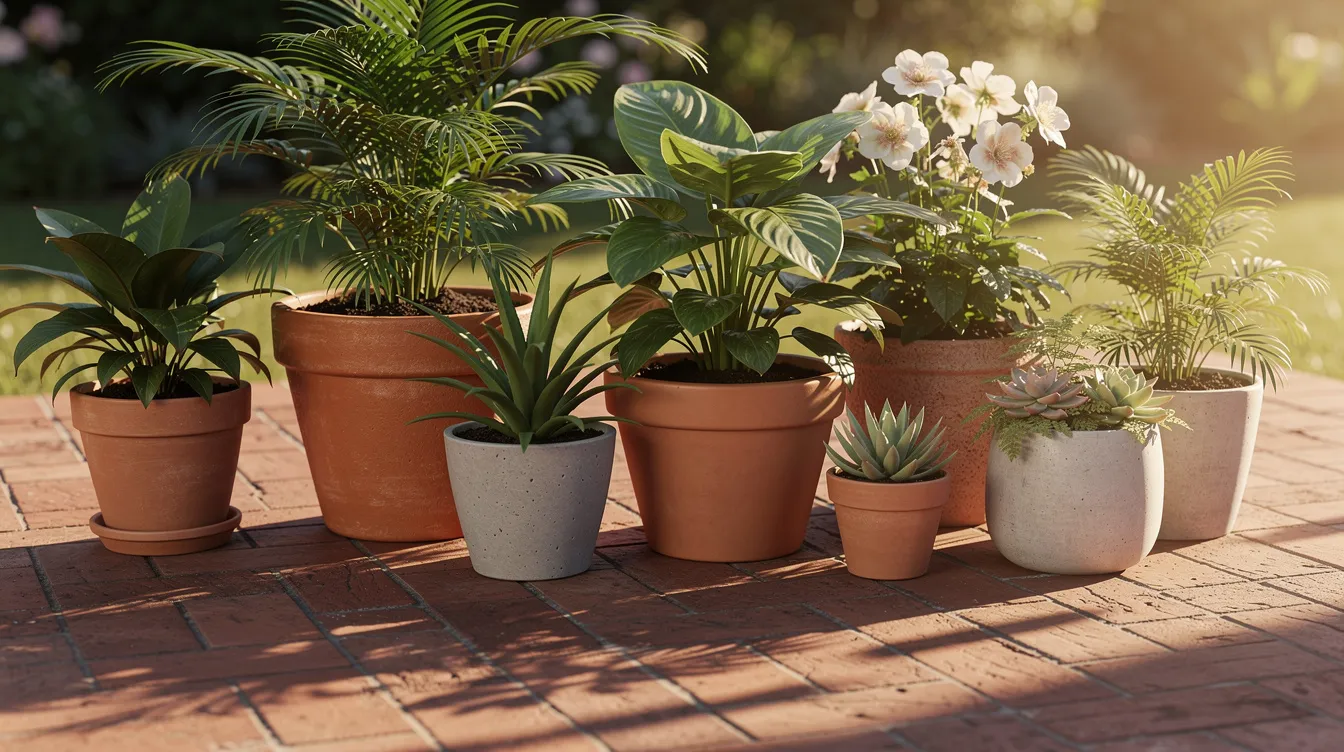
Pot size and material matter too. Small black plastic pots heat up and dry fastest. A large clay or terra cotta pot breathes better but may need more frequent watering.
Quick examples:
Potted tomatoes and peppers: Keep soil evenly moist. Water deeply until it runs from drainage holes.
Basil and leafy herbs: Don’t let them wilt hard. They prefer slightly moist soil.
Succulents and snake plants: Let soil dry more deeply, even outdoors.
Water early in the morning so foliage dries quickly. Rain can replace a watering but check that containers are not waterlogged afterward.
Feeding (Fertility) for Strong Summer Growth
Brighter light means faster growth. Plants grow faster outside and use nutrients faster so they need more frequent feeding than during the winter months.
Simple fertilizer options:
Balanced liquid fertilizer (10-10-10) or compost tea every 1–2 weeks for fast-growing vegetables and flowering plants
Half-strength liquid feed every 2–4 weeks for tropical plants and miniature trees
Slow-release granular fertilizer applied in late spring and mid-summer for busy gardeners
Feed potted tomatoes and peppers regularly to support fruit set. Feed petunias and geraniums to keep blooms coming. Go lighter on shade houseplants like pothos and ferns—they grow more slowly even outside.
Signs of low fertility include pale new leaves, very slow growth, and few flowers. Too much fertilizer shows as crispy leaf edges or salt crust on the soil surface. Always water well after applying granular fertilizer, and never feed very dry or stressed plants.
Plant-Specific Tips: Trees, Vegetables, Flowers, Herbs, and Houseplants
Here is a quick reference by plant group:
Miniature trees (dwarf citrus, ficus, olive, fig): Protect from cold spring nights. Water when the top inch or two is dry. Feed lightly through summer.
Container vegetables (tomatoes, peppers, cucumbers, bush beans): Place in the sunniest, warmest spot. Use stakes or cages. Expect daily watering during hot spells. Use regular balanced feeding or a tomato-specific fertilizer.
Flowers (petunias, marigolds, zinnias, geraniums): Give 4–8 hours of direct sun. Deadhead spent flowers. Water when the top inch is dry. Feed every 1–2 weeks for continuous blooms and visual interest.
Herbs (basil, mint, thyme, rosemary, parsley, chives): Group sun-lovers in 4–6+ hours of sun. Place mint and parsley in part shade during intense heat. Water basil often; let rosemary dry between waterings. Fertilize lightly to keep flavors strong.
General houseplants (pothos, philodendron, spider plants, snake plants, peace lilies, ferns): Keep in bright shade on a porch or patio. Water when the top inch is dry. Feed at half strength once a month. When transitioning, monitor for pests and consider separating new arrivals from other plants to prevent pest spread and help each plant acclimate properly.
Outdoor Plant Care:
Pests, Weather, and Simple Maintenance
More time outside means more bugs, rain and wind. Simple weekly checks keep plants healthy.
Pest monitoring: Check leaf undersides, stems and soil surface weekly for aphids, spider mites, mealybugs and whiteflies. Rinse leaves with a hose for mild problems. Use insecticidal soap, neem oil or horticultural oil for serious infestations. These products also attract beneficial insects to your container garden.
Weather protection: Move pots under a roof before strong storms to avoid broken stems. Shift delicate plants to shade during heat waves above 90°F.
Cleanliness: Remove dead or yellowing leaves to prevent leaf drop and rot. Light pruning shapes leggy plants once they are growing strongly. Clustering plants raises humidity for tropicals but leave some space for airflow.
Bringing Your Indoor Garden Back Inside in Fall
Start bringing plants back inside before nighttime temperatures drop below 50°F in the fall—usually late September or early October in most areas.
Over 7-10 days, first move plants to shade outside, then bring them inside for nights, then fully inside. Before bringing plants inside after being outside, check for pests on all plants. Carefully inspect for insects to prevent infestations as outdoor pests can hitch a ride inside. Flush pots with water to chase out ants or soil insects. Treat visible pests with insecticidal soap. After bringing plants inside, isolate them from other houseplants for a few weeks to monitor for pests before joining your main indoor collection.
Once inside, light is weaker and growth slows. Watering frequency will change when moving plants back inside so reduce watering and let soil dry slightly. Stop fertilizing until late winter or early spring. Trim only what is needed to fit plants inside your house or remove damaged parts.
FAQ
Can every indoor plant go outside for the summer?
Most houseplants, herbs, flowers and miniature trees enjoy time outside. However, some very delicate plants—like orchids that need stable high humidity—may struggle in hot, windy or dry conditions. Research each plant’s needs. If a plant is labeled “low light, no direct sun” keep it in deep shade outside or consider leaving it inside.
How do I stop bugs from coming inside with my plants?
Flush leaves and stems with a gentle but thorough shower a few days before bringing plants inside. If you see any insects, use insecticidal soap or neem oil. Keep plants in a separate room for 1-2 weeks to watch for hidden pests before mixing them with other houseplants. Many houseplants carry hitchhikers so this step matters.
What if my plant’s leaves burn after being outside?
Sunburn shows up as bleached, tan or crispy spots on leaves that faced the sun. Move the plant to a shadier spot immediately. Trim off the worst damaged leaves. Resume a slower acclimation process with gentler morning sun before trying a sunnier location again.
Is rainwater better for my plants than tap water?
Gentle rain is usually great for container plants—soft and free of tap-water additives. But long, pounding storms can over-saturate small pots. Check that containers drain well and tip out excess water from saucers after heavy rain.
Do I need to change the pot size before putting plants outside?
If roots are circling the pot or growing out of drainage holes, repot into a container 1-2 inches wider in spring before the outdoor move. A slightly larger pot supports faster summer growth. Don’t jump to a very oversized pot which can leave soil wet too long and cause root rot.


