Designing With What’s Already There: How to Use Microclimates to Build a Smarter Food Forest
The Hidden Landscape in Your Backyard
Most people think they have one climate.
They’ll say, “I live in zone 7,” or “We get about 20 inches of rain,” and then make all their planting decisions from there. But the truth is you don’t have one climate. You have dozens.
Even in a small backyard, there are subtle shifts happening everywhere — a warmer spot near the house, a cooler corner that holds frost just a little longer, a patch of soil that stays damp while everything else dries out.
Microclimates exist even in small spaces, ranging in size from just a few square feet to at most a mile or so across. Microclimates develop when temperature and humidity are altered by exchanges of heat, moisture, and air between the Earth’s surface and the atmosphere. Many of these differences are most noticeable at ground level, where temperature, moisture, and airflow can vary dramatically even within a small space.
And once you start noticing these differences, you can change the way you grow plants. You stop trying to force plants into your landscape and you start placing them where they already want to grow. That’s when designing a food forest becomes a whole lot easier, and a lot more successful.
So What Exactly Is a Microclimate?
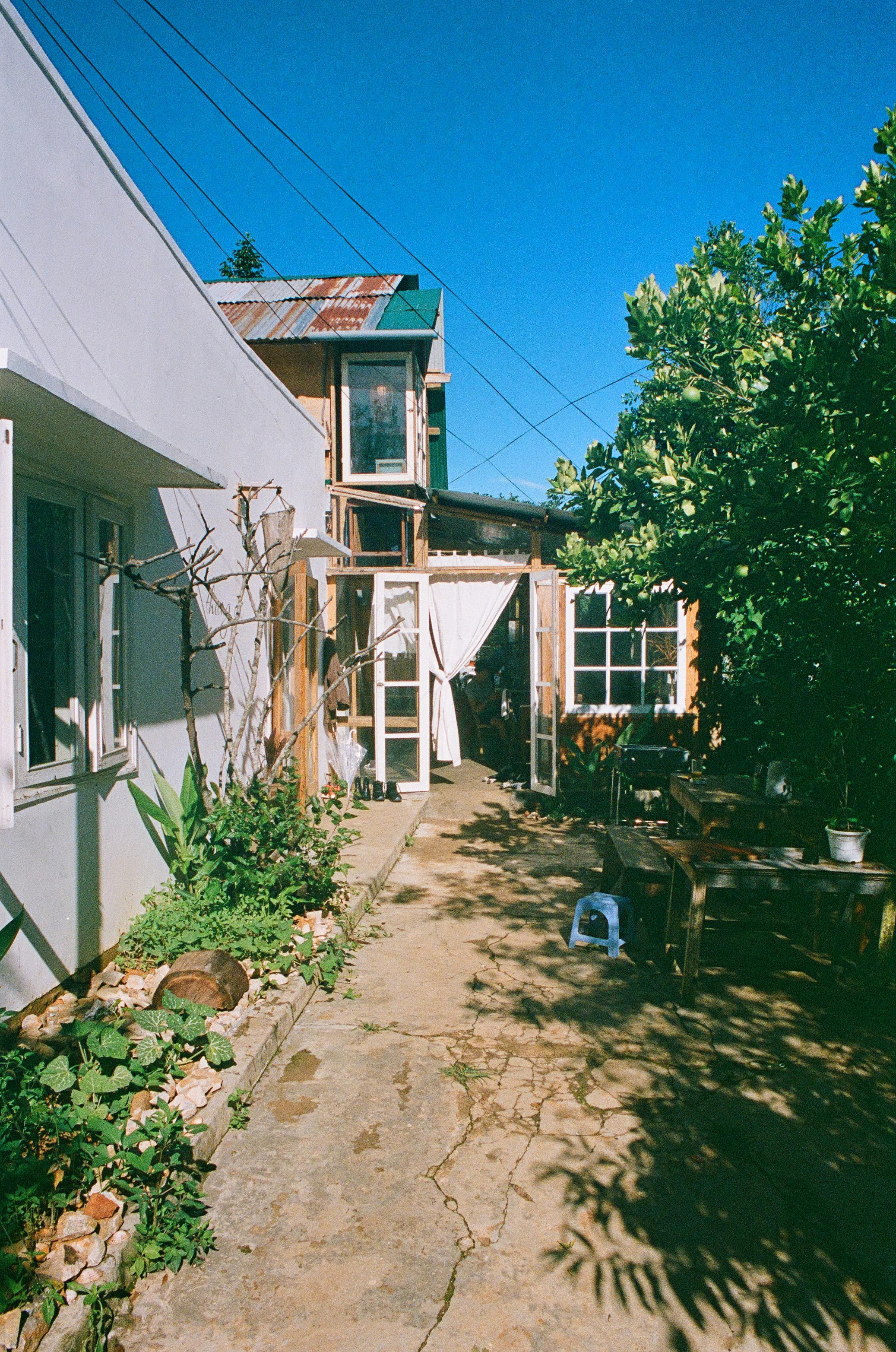
A microclimate is simply a small area where the growing conditions are slightly different from the surrounding space. These localized areas can be influenced by features such as buildings, walls or terrain, which affect environmental factors.
That difference might be:
A few degrees warmer or cooler
A little more or less sunlight
More protection from wind
Slightly wetter or drier soil
Areas where trees or structures provide shade, resulting in cooler and moister conditions
Air temperature, wind and humidity can shift dramatically over short distances, creating unique weather patterns in these localized areas. On paper those differences seem small. In practice they’re often the difference between a tree that thrives and one that struggles.
And the best part? You don’t have to create these conditions from scratch. They’re already there quietly shaping what grows well and what doesn’t.
Why Microclimates Matter More Than You Think
Because once you understand microclimates, you’re no longer limited to “what grows in your zone.”
You can:
Grow a wider variety of plants*
Reduce how much you have to water or protect them
Avoid common failures (like frost damage)
And design a system that feels… effortless
Instead of fighting your land, you’re working with it.
And that’s the difference between a food forest that constantly needs fixing… and one that settles into a rhythm.
The Microclimates You Already Have
Let’s walk through the ones you’re most likely to find, because once you recognize them, you’ll start seeing them everywhere. While a large region may have a general climate, known as a macroclimate, microclimates represent much smaller zones with distinct conditions within that broader context.
Sun and Shade: The Obvious One We Still Miss
We all know plants need sun, but what’s easy to miss is how dramatically sun exposure can vary across even a small space.
That bright, open area in your yard? Perfect for fruit trees that need full sun to produce well. South-facing surfaces receive the most direct sunlight in the Northern Hemisphere, making them warmer and ideal for sun-loving plants. In contrast a north facing slope receives less sun and stays cooler, supporting different types of vegetation.
But just a few steps away, near a fence or under a tree canopy, you might have dappled shade or even deep shade — these shaded areas are ideal for entirely different plants that thrive in cooler, moister conditions.
Instead of trying to make everything fit one condition, let each area do what it naturally does best.
Warm Spots and Urban Heat Island: Nature’s Little Heat Traps
Have you ever noticed how plants near a wall or patio seem to do better in early spring? That’s not your imagination.
South- and west-facing walls, rocks and paved areas absorb and trap heat during the day and release it slowly at night, creating warmer conditions in those spots. These areas tend to be slightly warmer and often experience less frost. This is similar to the urban heat island effect, where buildings and roads absorb and retain heat more than vegetation and soil, leading to localized increases in temperature. The city center typically experiences the most intense heat island effects, with higher temperatures and greater pollution accumulation compared to outlying areas.
These are your opportunity zones. If you’ve ever wanted to grow something just a little outside your normal range — a slightly more tender fruit tree, for example — this is where you try it.
Cool Zones: The Places That Stay a Little Behind
On the flip side, some areas stay cooler longer.
North-facing slopes, shaded corners and areas with little direct sun can hold onto cool temperatures well into the growing season. These areas provide shelter from heat and are valuable microclimates for heat sensitive plants.
Forests and shaded valleys are also crucial refuges during extreme heatwaves or drought, for plants and wildlife. These spots are perfect for plants that don’t like heat or for extending your harvest of cool-season crops.
Frost pockets: the sneaky troublemakers
Cold air flows downhill and settles in low-lying areas, making them especially prone to frost. During clear nights or temperature inversions, air descends from higher elevations and pools in these low spots, increasing the risk of frost. We call these areas frost pockets. These conditions are responsible for frost showing up first and lingering longest in these areas.
If you’ve ever had one tree get damaged by frost while another, just a short distance away, is fine this is probably why. The solution isn’t complicated. Save those spots for hardier plants and put your more cold sensitive trees somewhere slightly higher or more protected.

Wind flow: the invisible influence
Wind doesn’t get as much attention as sun or soil but it should. It dries out soil, stresses plants and can even affect temperature.
Wind flow is influenced by buildings, fences and other factors such as vegetation and man-made structures which can alter wind speed and direction. Some areas of your property may be fully exposed while others are naturally sheltered by buildings, fences or existing trees.
In urban areas tall buildings can disrupt wind flow resulting in lower wind speeds compared to surrounding rural areas. Those sheltered areas are perfect for young or sensitive plants. And if you don’t have them yet you can create them.
Moisture: not all soil is equal
Even in the same yard water doesn’t behave evenly.
You may have:
A low spot where water collects
An area near a downspout that stays damp
A slope where water runs off quickly
These differences matter. Moisture from soil and plants releases water vapor into the surrounding air, influencing humidity and creating localized microclimates. And permafrost close to the surface can create a unique microclimate environment due to its effect on soil temperature and moisture. Instead of trying to make everything equally moist (which is impossible) match your plants to the conditions that already exist.
Urban Microclimates and Heat Islands: City-Smart Food Forests
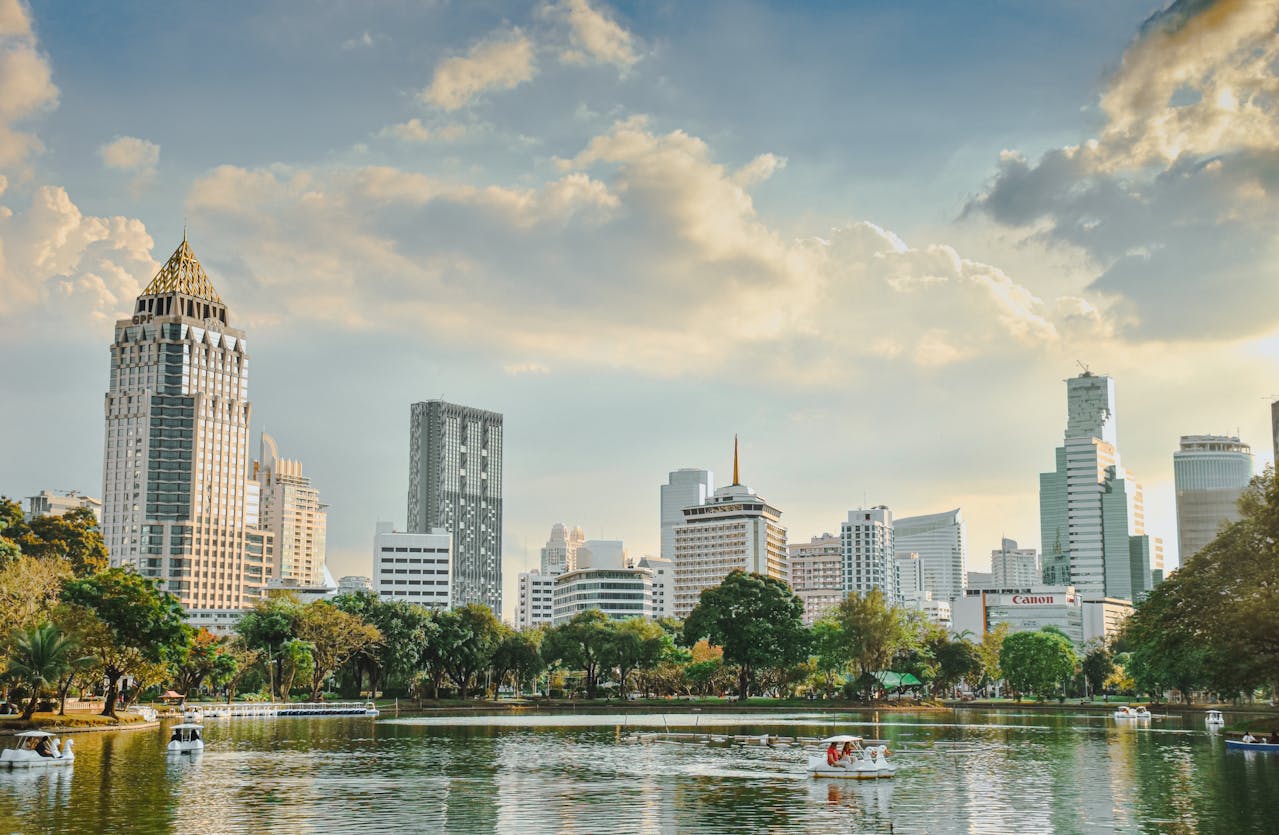
Urban areas have unique climatic conditions with higher temperatures, altered humidity and distinct wind and precipitation patterns compared to rural surroundings.Ever walked through a city on one of those blistering summer days—you know the ones—you felt something that went deeper than just weather. The air wrapped around you differently in urban spaces, holding heat like a warm hug. This is what we call the urban heat island effect. It’s your city’s way of showing you how all those tall buildings, stretches of asphalt and human-made structures have been quietly soaking up the sun’s energy, creating their own warm microclimate that’s noticeably different from the cooler rural areas just beyond the city limits. Your urban space becomes this living, breathing thing that experiences higher temperatures, less air movement and more intense heat than those peaceful countryside areas you drive through.
But here’s where it gets beautiful, and I want you to really hold onto this. You can partner with food forests to bring balance back to these hot spaces. When you plant trees and other living green companions in urban areas, especially in those concrete-heavy places where people gather and live their daily lives, you’re creating something magical: pockets of shade, natural heat absorption and these wonderful cool-air sanctuaries that feel like nature’s own gift to the city.
City parks are often cooler and more humid than the surrounding urban area and act as ‘cool islands’ within the city. These thoughtfully designed urban food forests don’t just whisper the temperature down—they slow the wind, clean the air you breathe and birth multiple microclimates right within your city. Urban areas often have lower relative humidity than rural areas due to increased runoff and reduced evapotranspiration from vegetation. The gentle shade from trees and the soft moisture from plants can turn a city block into something that feels like a world away from that heat island just a few blocks over.
Urban landscapes can have a big impact on local weather conditions, sometimes increasing precipitation downwind of cities due to convection and condensation nuclei. So whether you’re a city planner or just want to make your corner of the urban world more welcoming and alive I invite you to remember this: when you plant for shade and diversity you’re not just nurturing your food forest, you’re participating in a powerful act of reshaping the very climate that surrounds you and everyone who shares your space.
Regional Microclimate Variation: Beyond Your Backyard
I’ve learned over the years that microclimates aren’t just tucked away in your backyard corners. No, they stretch across entire regions, shaped by the very bones of the landscape itself. Elevation changes, wind patterns, those nearby water sources—they’re all quietly choreographing the dance of temperature and moisture around us.
Picture this: a valley floor becomes a natural cold-air collector, gathering the cool air that tumbles down from surrounding hills like water finding its level. Meanwhile those areas kissed by lakes, rivers or coastal breezes? They get nature’s own temperature control system—water’s gentle hand keeping things milder, smoothing out those harsh extremes that can stress both plants and people. Coastal areas often have milder climates compared to inland areas because water heats and cools more slowly, providing more constant temperatures.
Now let’s talk about wind, because oh, does it have opinions about your microclimate. I’ve watched strong winds turn exposed areas into natural dehydrators, sucking moisture from soil and leaves with relentless efficiency. But find yourself a sheltered spot—maybe tucked on the leeward side of a hill—and suddenly you’re in a pocket of warmth and humidity that feels like a completely different world. Air circulation patterns, influenced by terrain and water bodies, play a big role in shaping these regional microclimates. These diverse microclimates create this beautiful, complex tapestry across the landscape where certain plants will thrive in one spot and struggle just a stone’s throw away.
Understanding these regional variations is your secret weapon—whether you’re dreaming of a food forest, managing a piece of land or just wondering why that one area on your property seems to have its own weather system. When you start to see how cold air pools, how elevation shifts things, how water bodies work their moderating magic across the surrounding region you begin to see the landscape differently. You make smarter choices about what to plant and where—not just in your immediate space but across the whole living canvas you’re working with.
How to See Your Microclimates
The best thing you can do is observe. Don't rush, Watch where frost lingers. Notice where snow melts first. Pay attention to where plants naturally thrive and where they struggle. Walk your space at different times of day. Notice how the light moves.
You don’t need fancy tools. While you can measure microclimates with specialized equipment and sensor networks for high-resolution data, simple observation is often enough for most gardeners. You just need curiosity. Understanding microclimates is key to agriculture, urban planning and conservation.
Designing With What You See
Once you start to see these patterns design becomes much simpler. Your design choices can affect microclimates in your garden as features like fences, walls and plant placement influence sun, wind and moisture. Instead of asking “Where do I want this tree?” You start asking “Where would this tree naturally thrive?” And the answers become obvious.
Your sunniest spots become your fruit zones. Your sheltered areas protect your more sensitive plants. Your cooler corners extend your spring growing season. Everything starts to feel more aligned.
Understanding how your choices affect microclimates is also important for agriculture and microclimate engineering where optimizing growing conditions can lead to better yields and more resilient systems.
Benefits of Microclimate-Informed Design
When you start to design with microclimates, whether it’s your own backyard, a neighborhood corner or a beloved community space, you’re stepping into something beautiful: the art of working with nature’s rhythms rather than against them. This isn’t just about coaxing things to grow; it’s about creating places where life feels more vibrant, more comfortable, more connected to the earth beneath our feet.
By learning to read and honor the unique microclimate gifts your site offers you can create pockets of comfort that breathe with the seasons. In our urban spaces especially this gentle partnership becomes transformative. When you thoughtfully place trees, nurture green roofs and tend living walls you’re not just decorating, you’re healing the landscape, absorbing the heat that makes our city centers feel like ovens, cooling the very air we share. These green companions don’t just lower temperatures; they become sanctuaries for birds, pollinators and countless small lives, weaving habitat right into the places where we live and love.
This mindful approach to microclimates also creates what I like to think of as nature’s own refuge system, warm hugs during winter’s bite, cool oases when summer blazes. Your parks, plazas and even that corner of your garden can become true havens during those challenging seasons when the weather feels too much to bear. And here’s the beautiful truth: by tending to these small climate pockets, you’re not just making your own space more livable, you’re contributing to something larger, helping to weave a healthier more resilient community for everyone who calls this place home.
Food Forest Design Best Practices
Designing a food forest is really about creating a mosaic of small spaces, each one singing its own quiet song. The most beautiful food forests I know offer you this gentle patchwork of possibilities: sunny clearings that warm your face, shaded nooks that cool your spirit, warm pockets that extend the growing season and cool retreats that offer refuge when the world feels too hot.
Let’s start by thinking in layers, and I mean really thinking about them, the way you might think about the rooms in a home you love. Your multi-tiered canopy, with those tall guardian trees, understory shrubs that whisper secrets and groundcovers that carpet the earth, they work together to trap warmth, cool heat domes and create something nurturing beneath. It’s perfect for stretching your growing season or giving tender plants the protection they crave.
Use a beautiful mix of evergreen and deciduous species—they’ll offer you year-round shelter and sun in exactly the rhythm you need. And don’t hesitate to add those helpful artificial structures: trellises, pergolas, even simple fences. These features become your partners in creating microclimates, blocking those harsh winds that steal moisture, providing shade where it’s needed or bouncing warmth into the cooler corners that need a little extra love.
The magic happens when you pay attention to how air moves through your space. Strategic planting and thoughtful windbreaks can help you guide or gentle that wind, protecting the sensitive crops that need your care and keeping precious moisture where it belongs.
Those shaded areas under dense foliage or beside structures? They become cool refuges during the hot spells that test us all, while those open sunny spots can be your canvas for the heat-loving fruits and vegetables that thrive in brightness. And it all comes together when you match your plant choices to these microclimates you’ve so carefully created. Consider soil type, moisture, elevation—each factor plays its quiet role in shaping the microclimate and determining which species will not just survive but truly thrive. When you design for this range of microclimates you’re building more than a food forest. You’re creating a living system that will feed you abundantly and weather whatever comes with grace and strength.
Food Forest Design Challenges
Creating a food forest that becomes home to countless plants and creatures, each with their own quiet needs for sun, shade, warmth and shelter can be one of the most rewarding challenges you’ll face. Weaving together a living tapestry of microclimates where every single species can find its perfect peaceful niche. It is complex, but extremely rewarding when you get it right.
Start by working with what your land already offers you. Those south-facing slopes? They’re your golden opportunity for creating warmer sunnier microclimates that fruit trees and heat-loving crops will love. Meanwhile your north-facing areas naturally offer cooler shadier retreats—perfect sanctuaries for plants that prefer milder light. \
And Yes — You Can Create Microclimates Too
Here’s where it gets even more fun. You’re not just working with what’s there. You can shape it.
Plant a windbreak and suddenly you’ve created a protected zone. Add a tree canopy and you’ve created shade for an understory. Place stones or build a wall and you’ve created a warm pocket.
This is where food forest design gets creative. You’re not decorating a space. You’re engineering conditions.
And don’t overlook the quiet power of the structures you create: greenhouses, cold frames, even a simple wall can become your allies in crafting microclimates that are warmer or cooler than the world around them and give you so much more freedom in what you can grow.
The dance of wind and air through your space is equally important. Strong winds can stress your plants and dry out the soil they depend on. But you can create calm protected zones using windbreaks, rows of trees or dense shrubs that become gentle guardians. Enclosed spaces like courtyards or tucked away garden nooks offer something precious: still air and stable temperatures that expand your microclimate possibilities in ways that feel almost magical.
When you shape your landscape, working with both the natural gifts your land offers and the intentional elements you add, you create microclimates that support an incredible diversity of plants and animals. The result is a food forest that’s not just beautiful and abundant but genuinely resilient, ready to weather whatever comes to the world around it. And that, friends, is gardening as collaboration with the Earth itself.
Common Mistakes (That Are Easy to Avoid)
Most people don’t fail because they chose the wrong plants.
They fail because they treated their entire property as if it were the same everywhere. Even nearby areas, like a developed industrial park and a wooded park, can have dramatically different temperatures due to differences in vegetation and surfaces.
They plant without observing. They ignore frost pockets. They try to “fix” the land instead of working with it. And the result? More effort. More frustration. Less success.
Case Studies and Examples: Microclimates in Action
Let’s get into the real world together and see how microclimates play out. Take San Francisco. Thanks to its dance with the Pacific Ocean, those hills and the tall buildings reaching for the sky, this city gives us a living patchwork of microclimates. Some neighborhoods are wrapped in cool, gentle fog like a soft blanket while others—just a few miles away—bask in golden sun and warmth. This beautiful mix of local temperature and humidity creates countless air pockets, each with its own personality and growing conditions. And here’s the magic: each one becomes perfect for different plants and wildlife, creating a symphony of life right in the urban landscape.
Mountain ranges give you another beautiful example, South-facing slopes get more solar radiation, are warmer and drier, like nature’s own sun-soaked patio. North-facing slopes are cooler and hold onto moisture like a gentle hand. These opposite slopes—sisters in the same mountain family—can support completely different plant communities, creating entire worlds within a single mountain range.
Sandy soils, the structures we build and the way wind moves through the landscape all join this dance, adding more layers to the diversity of temperature and humidity that surrounds you.
Even when you’re walking along a beach, you’re seeing this quiet magic happen. The combination of radiant heat from our sun, the cooling effect of nearby water and the shelter provided by natural features or the structures we build—all of this weaves together to create several microclimates in a small area.
When you start looking at these examples with new eyes, something becomes clear. Microclimates aren’t just cool, they’re fundamental to how our earth’s surface supports so much life. And here’s what I love most: when you learn to spot and work with them, you open up new possibilities for your own food forest, no matter where you live.
Quick Notes
Every property has multiple microclimates, even if they’re subtle. These small variations have big impact on plant growth.
Urban and rural areas can have very different microclimates, with urban areas being warmer than surrounding rural areas due to the urban heat island effect.
When you learn to recognize them, you can grow more plants with less effort and more success.
The best food forests aren’t designed by forcing conditions — they’re designed by working with them.
And once you know how to use and create microclimates, your design options expand.
Q&A
How long should I observe my property before planting?
Ideally a year. But even a few months of intentional observation can reveal a lot.
Do microclimates really make that big of a difference?
Yes. Even a small temperature difference can affect growth, flowering and fruiting.
What’s the easiest microclimate to use right away?
Sun exposure and heat near buildings are usually the most obvious and accessible.
Can I change a microclimate?
Yes. With trees, structures and soil improvements you can gradually shape conditions.
Do I need a big property for this to matter?
No. Even a small yard has variation — you just have to look for it.
How do cities impact their microclimates?
Cities do it in several ways. Urban areas are 6° to 11° C (10° to 20° F) warmer than surrounding rural areas due to the urban heat island effect. Cities can mitigate this effect by adding more vegetation, using reflective materials and green roofs.
Conclusion
Once you see microclimates you can’t unsee them. And that’s a good thing. Because instead of guessing what will work you start knowing where will.


