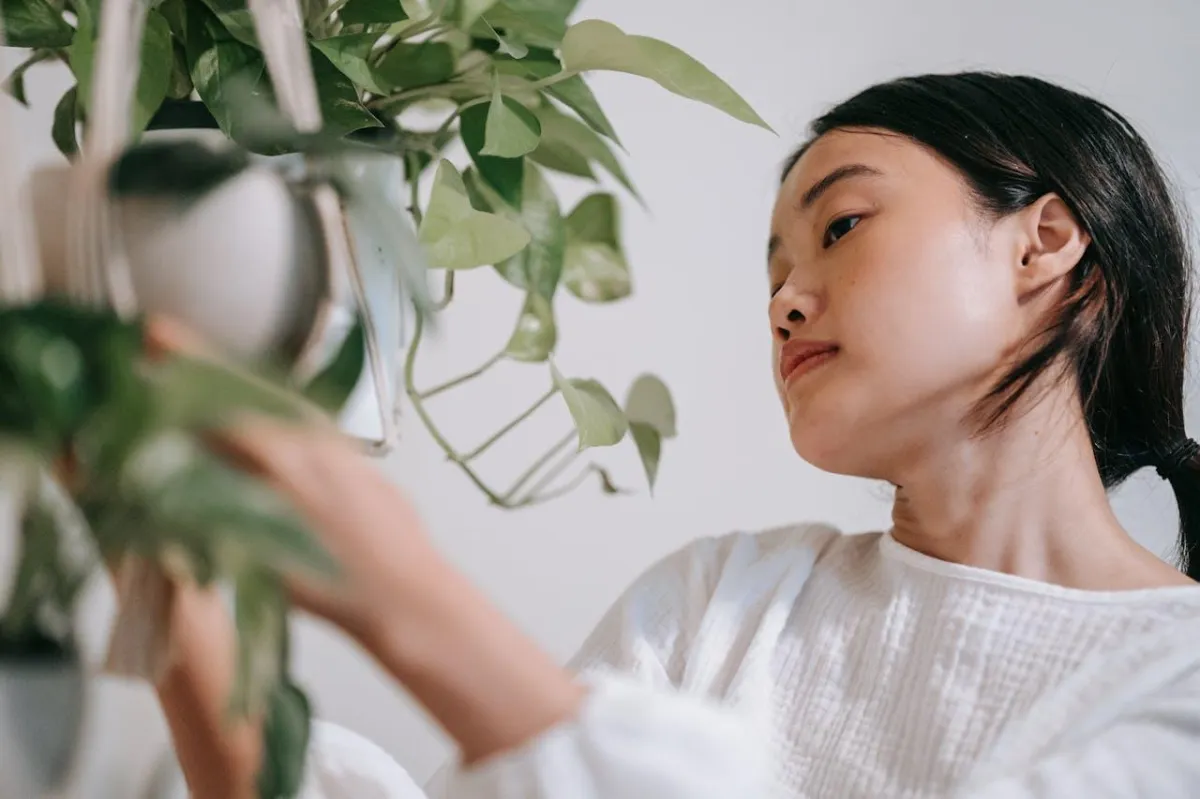
Top Indoor Gardening Mistakes to Avoid
Indoor Gardening Mistakes:
What Beginners Get Wrong (and How to Fix It)
Key Takeaways
Growing plants indoors is so much fun—but it comes with a learning curve that even enthusiastic beginners trip over. Before we get into the details, here are the basics to remember:
Light is everything. Many indoor plants fail because they are placed in spots that look bright to humans but are actually too dim for healthy plant growth.
Overwatering kills more plants than neglect. A fixed watering schedule ignores how conditions change with seasons, leading to soggy soil and root rot.
Drainage matters more than the pot’s appearance. Containers without holes trap water around roots, no matter how many rocks you add at the bottom.
Different plants need different care. Succulents, tropical foliage, and herbs evolved in vastly different environments—treating them the same way is a recipe for disaster.
Realistic expectations prevent frustration. Indoor conditions rarely match those in outdoor gardens, so start with forgiving plants and easy crops like lettuce and herbs.
Introduction: Why Indoor Gardening Fails More Than It Should
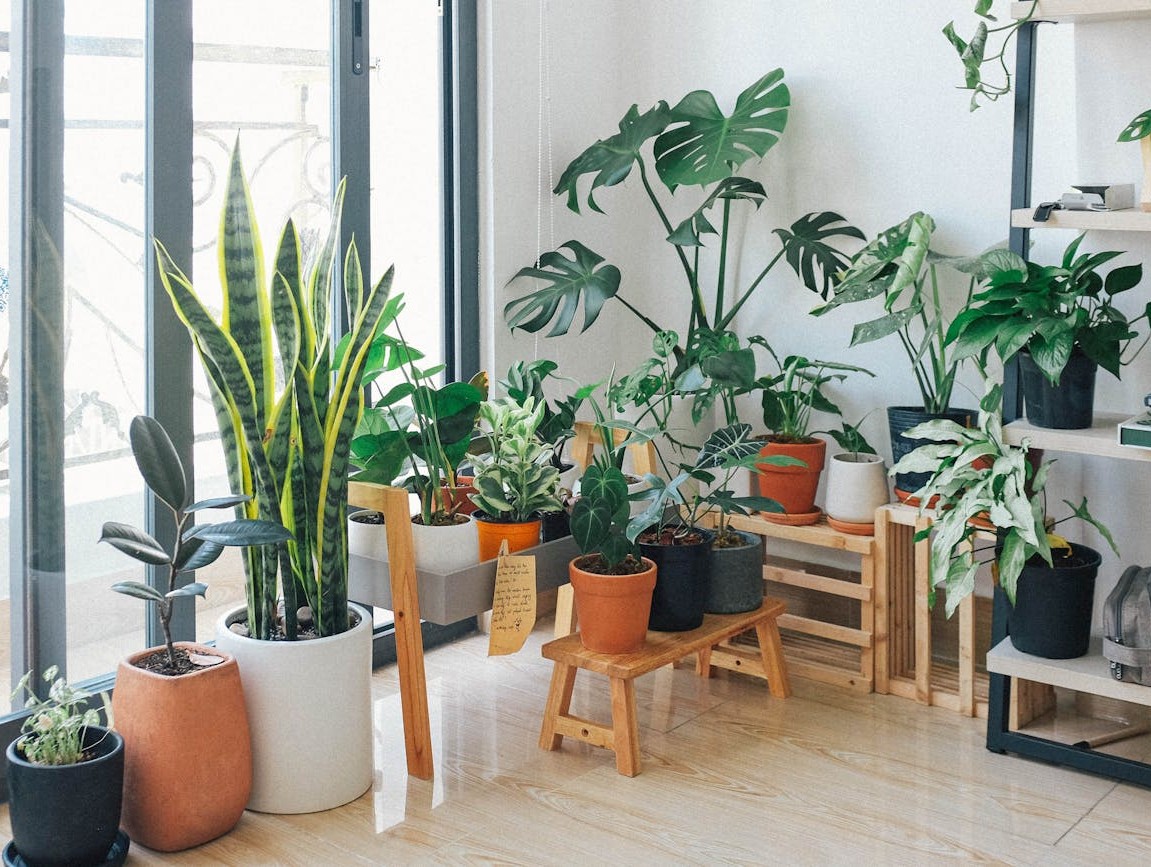
Indoor gardening has blown up since 2020. More people working from home, smaller living spaces, and a growing interest in growing your own food have turned millions of us into wannabe plant parents. The appeal makes sense: fresh herbs within arm’s reach, greenery that brightens a room, and the satisfaction of nurturing something alive.
And yet, many new indoor gardeners lose their plants within the first three to six months. Extension agents report that 80–90% of the houseplant problems they see come down to overwatering and poor drainage; not from forgetting plants exist, but from loving them a little too much. That statistic alone tells us something important: most indoor gardening mistakes are from enthusiasm, not carelessness.
If you’ve watched a basil plant wilt despite your best efforts, or found your pothos turning yellow when you thought you were doing everything right, you’re not alone. Killing a few spider plants is part of the learning process. This guide is about everyday houseplants and simple edible setups—herbs, lettuce, microgreens—in typical homes and apartments. Seeds are the starting point for many indoor gardening projects, especially when growing microgreens, herbs, or starting vegetables from scratch.
Each section will show you the mistake, how to spot it, and exactly how to fix it.
Choosing the Right Plants for Your Space and Lifestyle
One of the best parts of indoor gardening is choosing plants that really fit your home and your daily routine. With so many indoor plants to choose from, it’s easy to get swept up by what looks good at the store—but the secret to thriving greenery is matching each plant to your unique environment and lifestyle.
Take a good look at your space. Does your home get direct sun or is it mostly shaded? If you have a small space with limited natural light, don’t worry—there are plenty of low-maintenance options that will still bring so much joy. Pothos, snake plants, and peace lily are perfect for low-light corners and busy plant parents who want greenery without constant fuss. Herbs like mint and chives can also do well in indirect light, especially if you supplement with a small grow light.
If you’re lucky enough to have a sunny windowsill, your options expand. Bright spots are ideal for growing fresh basil, rosemary or even lettuce—giving you the satisfaction of harvesting your own food just a few steps from the kitchen. These plants love direct sun and will reward you with new growth and vibrant flavors.
Humidity and temperature matter too. Some species like ferns and calatheas thrive in higher humidity, making them great choices for bathrooms or kitchens. Others like succulents and cacti prefer drier air and can handle the occasional missed watering.
Before you bring home a new plant, take a minute to research its specific needs—light, water, humidity and space to grow. Matching the right plant to your environment means less stress for you and healthier, happier plants. The result? A lush indoor garden that fits your lifestyle, fills your home with fresh air and greenery and brings a daily dose of joy.
Mistake #1: Ignoring Light Levels (Putting Plants Anywhere That Looks Cute)
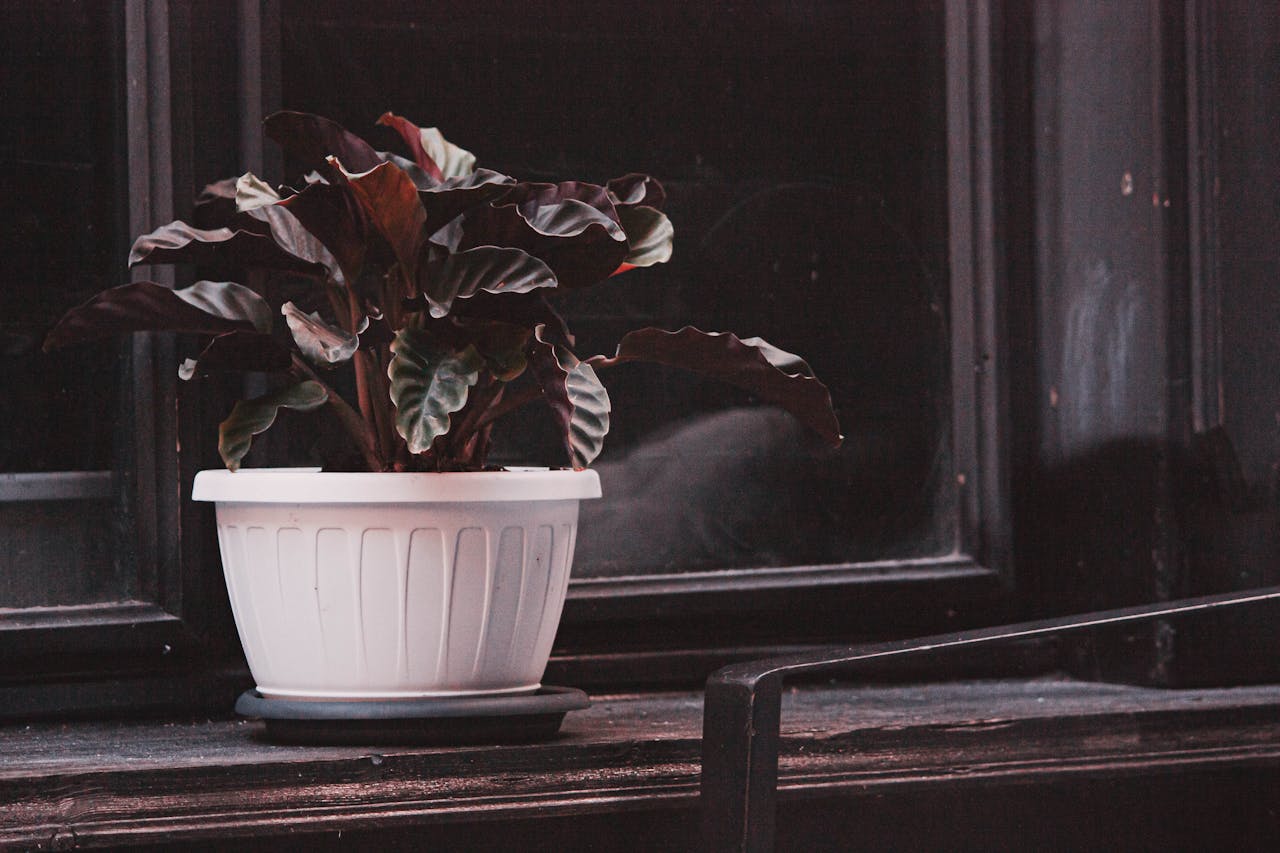
The truth is, light is the single most limiting factor for indoor plants. More important than fancy fertilizer, more important than the perfect pot. A room that feels bright and cheerful to your eyes can still be deep shade for a plant sitting six to eight feet from the nearest window. Human vision adapts brilliantly to different light conditions—we barely notice when a room dims. But plants measure light in foot-candles or lux and the numbers drop dramatically as you move away from glass. A south-facing window in summer might deliver 500+ foot-candles right at the sill but just a few feet back that number can plummet to under 100. A north-facing window in winter months might hover around 50 foot-candles—enough for a snake plant to survive but not nearly enough for basil or tomatoes to thrive.
Too little light shows up as leggy, stretched stems (your basil reaching desperately toward the window), smaller and paler leaves and flowering plants that refuse to bloom. Too much direct sun—especially through glass in summer—can scorch leaves leaving brown crispy patches on monstera or sunburned spots on succulents that weren’t acclimated gradually.
Do this instead:
Match plants to their light needs: fruiting crops like peppers and tomatoes need bright direct sun or strong grow lights; most foliage plants prefer bright indirect light; snake plants and ZZ plants tolerate lower light.
Move plants closer to windows—even a foot or two makes a difference.
Clean dust off window glass; dirty windows can reduce light transmission by up to 30%.
Rotate pots every one to two weeks so all sides receive light evenly.
Add a simple LED grow light on a 10–12 hour timer when natural sunlight isn’t enough especially during winter.
Mistake #2: Watering on a Schedule Instead of by Need
“Water every Sunday” sounds organized and responsible. It’s also the advice that causes more plant casualties than almost anything else. Indoor conditions shift constantly—heat kicks on in January and dries the air, summer humidity slows evaporation and the same plant in the same pot will need more water in spring’s active growth than during winter rest.
How much water depends on pot size, soil composition, room temperature, humidity and the plant itself. A watering frequency that works perfectly in July might drown your plants in December when they’re using far less energy.
It’s important to recognize the point at which soil becomes oversaturated as reaching this saturation point can lead to serious plant health issues.
Signs of overwatering:
Soil stays wet for days after watering
Yellowing leaves especially on older growth
Mushy stems near the soil line
A sour or rotten smell from the pot
Signs of underwatering:
Dry soil pulling away from pot edges
Limp, droopy leaves that perk up after a good water
Crispy leaf tips on herbs and spider plants
Do this instead:
Use the finger test: stick your finger 1–2 inches into the soil. For most plants, water only when that depth feels dry. For succulents and cacti, wait until soil is almost completely dry.
Adjust by plant type: succulents dry out almost completely; herbs in small pots need water when top inch is dry; tropical foliage likes slightly moist (not soggy) conditions.
Try bottom watering: set pot in a tray of water for 20–30 minutes and let soil wick up moisture from below. This keeps topsoil drier and prevents fungus gnats.
Check moisture level twice a week instead of following a calendar.
Mistake #3: Using Backyard Soil and No-Drainage Containers
Backyard soil has no business in indoor pots. It’s too heavy, compacts easily and can hold water so tight that roots suffocate.
Potting soil for indoor plants is formulated differently: lightweight, often based on peat or coconut coir, mixed with perlite, pumice or bark to create air pockets and allow water to flow through. Good potting mix should feel fluffy not dense.
Meanwhile, decorative containers without drainage holes—those beautiful ceramic pots from the store—create a death trap where excess water has nowhere to go.
A common mistake is to plant directly into a hole-less decorative pot and add a layer of rocks or pebbles at the bottom, thinking this will improve drainage. Unfortunately, physics disagrees. Water doesn’t flow freely from fine-textured soil into coarse gravel; instead it saturates the soil completely before draining, creating a perched water table that keeps roots sitting in moisture.
Do this instead:
Always choose containers with at least one drainage hole. If you love a decorative pot, use it as a cachepot—put your plant in a nursery pot with drainage then nest that into the pretty outer container.
Select soil by plant type:
Succulents and cacti: fast-draining cactus mix with high mineral content (perlite, pumice, grit)
Most foliage plants: standard indoor potting mix.
Mistake #4: Forgetting About Roots, Cleaning and Overall Plant Hygiene
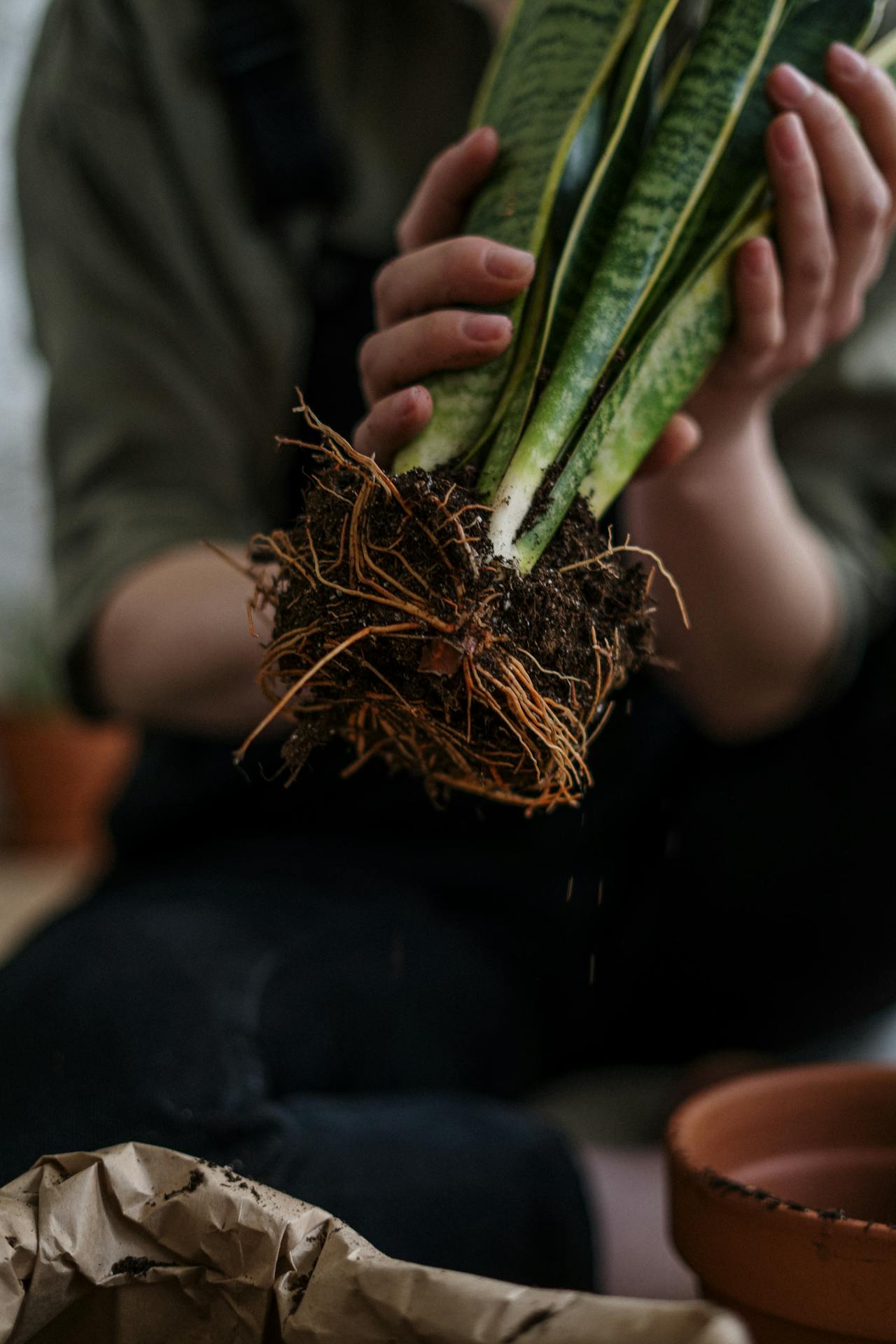
What you see above the soil—leaves, stems, new growth—depends entirely on what’s happening below. Healthy roots support healthy foliage. Neglected roots eventually show up as declining leaves, no matter how good your watering is.
Rootbound plants, where roots circle tightly at the bottom of the pot, struggle to absorb water evenly. Roots sitting in constantly soggy soil turn brown, slimy and start to smell—classic root rot. Neither problem announces itself loudly until the plant looks really sick.
Meanwhile above ground, dust accumulates on leaves. That layer of dust blocks light and can reduce photosynthesis by 20%. Dusty foliage also hides early pest infestations. Regular cleaning and good plant hygiene helps keep your indoor gardening space tidy and organized.
Do this instead:
Check roots when a plant suddenly declines: slide it from the pot and look for firm, pale roots (healthy) versus mushy, dark ones (rotting). Emergency repotting can save a plant if you trim away damaged roots and move to fresh, dry soil.
Repot most houseplants in late winter or early spring , just before active growth starts.
Clean leaves every 4–6 weeks: support each leaf with one hand while wiping the top and bottom with a damp, soft cloth or give plants a soft, cool shower.This keeps light absorption high and lets you spot problems early.
While cleaning, check for pests: sticky residue means scale; tiny webbing means spider mites; cottony white patches mean mealybugs. Catching infestations early—before they spread—makes treatment with insecticidal soap or neem oil much more effective.
Remove dead or yellowing leaves promptly; decaying material attracts bacteria and pests.
Mistake #5: Underfeeding or Overfeeding Indoor Plants
Potting mix isn’t an all-you-can-eat buffet. Nutrients leach out over time with watering and indoor plants need to be fed to grow healthy. But the opposite extreme—overfeeding—is just as bad.
Signs of underfeeding:
Slow growth on fast growers like pothos
Pale new leaves especially on plants that should be deep green
Leggy herb growth after a few weeks in the same pot
No flowers on blooming plants
Signs of overfeeding:
Brown, crispy tips on spider plants and dracaenas
White crust of fertilizer salts on soil surface
Leaf drop after a strong feeding
Dark green foliage but no flowers
Do this instead:
Feed during active growth only: use a balanced liquid houseplant fertilizer at half the recommended strength every 4 to 6 weeks from March to September.
Pause or reduce feeding in fall and winter when most plants are dormant and need fewer nutrients.
For flowering or fruiting crops grown indoors under lights—like cherry tomatoes or peppers—feed more frequently with diluted fertilizer since they’re using more energy to produce harvest.
If you’ve overfed, flush soil thoroughly by running water through the pot until it drains freely, leaching out excess salts. Severe cases may require repotting into fresh mix.
Don’t get distracted by marketing claims. “Orchid food” and specialty formulas are often unnecessary; correct dilution and timing matter more than brand names.
Mistake #6: Treating All Indoor Plants the Same
Copy-paste care routines ignore a fundamental fact: plants evolved in vastly different environments. A cactus from the Sonoran Desert and a peace lily from a tropical rainforest floor need opposite conditions. Trying to water them on the same schedule or put them in the same light will kill one of them.
Consider these three common groups:
Plant Group
Light Needs
Water Needs
Notes
Desert plants (cacti, jade, aloe)
Bright direct sunlight
Let soil dry almost completely
Overwatering is the fastest way to kill them
Tropical foliage (pothos, philodendron, peace lily)
Bright indirect light
Keep soil slightly moist, never soggy
Prefer high humidity and stable temperatures
Culinary herbs (basil, rosemary, parsley)
Strong direct light or grow lights
Dry top inch between waterings
Need good airflow to prevent mildew
Dor it right:
Before setting a care routine, learn the native habitat or general “type” of each plant you bring home.
When you bring home a new plant, read the care tag, take a photo of it and spend 5-10 minutes researching light, water and temperature needs from trusted sources (university extension services, botanic garden guides, established educators).
Don’t believe viral social posts and unverified hacks. Using random kitchen ingredients as fertilizer without understanding pH, salt content and application frequency can harm plants more than help them.
Group plants with similar needs together—it makes care routines simpler and prevents you from treating a succulent like a fern.
Mistake #7: Expecting Outdoor Garden Results Indoors
The fantasy is understandable: a windowsill full of ripe tomatoes, fat peppers, maybe even a pumpkin vine crawling across the room. But indoor conditions—especially light intensity and day length—rarely match what an outdoor garden provides. Trying to grow full-size fruiting crops on a dark windowsill sets you up for disappointment.
Even bright windows deliver far less light than direct summer sunlight outdoors. Winter daylight may offer only a few usable hours and glass filters some wavelengths plants need. Large fruiting crops like tomatoes require intense, sustained light (often 400+ PPFD from grow lights), space to spread, airflow and sometimes manual pollination. These are achievable but are advanced projects, not beginner territory.
Do this instead:
Start with realistic crops that succeed in typical indoor conditions:
Green onions regrown from grocery scraps
Cut-and-come-again lettuce and baby kale
Herbs like basil, mint, chives, rosemary
Microgreens (radish, broccoli, sunflower) that harvest in 5-21 days
Garlic, greens, and sprouts
Treat microgreens and baby greens as quick wins—they require minimal space, modest light and deliver fresh food fast.
Save big-fruiting plants (cherry tomatoes, peppers) for after you’ve built confidence with easier crops and perhaps invested in dedicated grow lights.
Celebrate small space victories: a handful of fresh basil for pasta, a sprinkle of microgreens on a sandwich. These are real harvests.
Seasonal Considerations: Adjusting Care Throughout the Year
Indoor gardening isn’t a set-it-and-forget-it hobby. The needs of your plants’change with the seasons just like they do in an outdoor garden. Pay attention to these changes and your indoor plants will thrive all year round.
During the winter months, most plants slow down their growth as light levels drop and temperatures cool. They need less water and fertilizer since they’re using less energy. Check the moisture level of your potting soil before watering and cut back on watering frequency to avoid soggy roots. If your space gets very little direct sun in winter, consider adding a grow light to keep your herbs and leafy greens happy.
As spring arrives and days get longer, your plants will wake up and start putting out new growth. This is the perfect time to increase watering slightly, refresh potting soil if needed and start feeding with a gentle fertilizer to support that burst of energy. Spring is also a great time to repot, prune or propagate—tasks that help your indoor garden bounce back after winter’s rest.
Summer brings higher temperatures and often more humidity. Most plants will need more water as they grow faster but be careful not to let pots sit in excess moisture especially if your home gets humid. Good airflow and well-draining soil help prevent problems like mold or root rot. Keep an eye on your plants for signs of stress like wilting or scorched leaves and adjust their placement if needed to avoid overheating.
By autumn, growth slows again and it’s time to gradually reduce watering and fertilizer. This seasonal rhythm helps your plants conserve energy and prepare for another winter indoors.
Adjusting your care routine to the changing seasons ensures your indoor plants stay healthy, vibrant and productive—whether you’re growing fresh herbs for your own food, nurturing lush greenery or simply enjoying the peaceful presence of thriving plants in your home. With a little bit of attention and planning your indoor garden can flourish no matter what the weather is doing outside.
How to Set Up an Indoor Garden That Avoids These Mistakes
Ready to set up a garden that actually works? Here’s a simple blueprint for beginners that sidesteps the common pitfalls:
Step-by-step starter setup:
Choose your spot. Pick a bright location—ideally a south or east-facing window. If you’re in a darker space or planting during winter, plan to add supplemental light.
Select 3–5 forgiving plants. Start with species that tolerate beginner mistakes: pothos, snake plant, spider plant, ZZ plant and basil for an edible option.
Match pots and soil to each plant. Make sure every container has drainage holes. Use standard indoor potting mix for foliage plants, fast-draining mix for succulents.
Minimize mess with smart containers. When growing microgreens or starting seeds indoors, choose trays or containers with high sides and use mats or liners underneath to help contain soil and water, keeping your indoor gardening area clean and organized.
Set your light plan. Natural window light works for many foliage plants; add an affordable LED grow light bar on a 10–12 hour timer for herbs or if natural light is limited.
Establish a watering routine. Check soil moisture twice weekly using the finger test. For your first month, jot down notes in a simple notebook or phone app—patterns will emerge.
Build maintenance habits. Clean leaves once monthly, do a quick pest check while watering and feed lightly during the growing season (spring through early fall).
Time your start. If possible, start in early March to take advantage of lengthening daylight and plants’ natural growth surge in spring.
This minimal setup—a few well-chosen plants, right containers, attention to light and water—gives you room to learn without overwhelming complexity.
FAQ: Common Indoor Gardening Questions
Even after addressing the main mistakes, a few questions tend to linger. Here are answers to some of the most common ones.
Do I really need grow lights for indoor gardening?
It depends on what you’re growing and how much natural sunlight your space receives. Low-light tolerant foliage plants like snake plants, ZZ plants and pothos can survive near decent windows without supplemental light. But if you want to grow herbs, leafy greens or any fruiting crops, grow lights become nearly essential—especially during winter months when daylight is short and weak.
A simple LED strip mounted 20–30 cm above your plants, running on a timer for 10–12 hours daily, can turn a dim corner into a productive growing space. The investment doesn’t need to be expensive; basic full-spectrum LED bars designed for plants work well for most beginner setups.
What temperature is best for most indoor plants?
Most houseplants and herbs prefer temperatures between 18–24°C (65–75°F). They’re surprisingly sensitive to sudden changes. Cold drafts from winter windows or air conditioning vents stress tropical plants, while spots near radiators or heating vents can scorch leaves and dry out soil too quickly.
The key word is “stable”. Plants handle cooler nights if the temperature shifts gradually. What they struggle with is being blasted by frost from a cracked window one moment and baked by a nearby space heater the next. Move plants away from direct airflow from heating and cooling systems.
How do I get rid of tiny flies (fungus gnats) in my pots?
Those annoying little flies hovering around your plants are almost always fungus gnats and they’re a symptom of consistently damp soil and decaying organic matter. The adults are harmless but irritating; the larvae feed on organic material and can damage roots in severe infestations.
To get rid of them: let the top 2–3 cm of soil dry out between waterings (this disrupts their life cycle), remove dead leaves and debris from the soil surface and place yellow sticky traps near affected pots to catch adults. For stubborn infestations, weekly drenches with a Bacillus thuringiensis israelensis (BTI) product—a biological control safe for plants and people—can kill larvae.
How long does it take to see improvement after I fix my care routine?
Here’s what beginners often don’t realize: damaged leaves don’t heal. That yellowed pothos leaf or sunburned monstera frond will stay that way. But new growth will reflect your improved care.
For fast growers like basil, pothos or spider plants you can see healthier new leaves within 2–6 weeks of correcting light or watering issues. Slower plants like snake plants or ZZ plants may take 1–3 months before new growth emerges. Watch the newest leaves and shoots rather than obsessing over old damage—that’s where progress shows.
Can I reuse potting mix for indoor plants?
Generally yes—with some caveats. Potting mix from healthy plants can be refreshed and reused. Remove old roots, break up compacted sections and mix in some fresh potting soil or a handful of perlite to restore structure. If the soil has a white crust of fertilizer salts, soak and flush it before reusing. But soil from plants that had severe root rot, pest infestations or disease should be discarded rather than reused indoors. The risk of spreading bacteria, fungal pathogens or pest eggs to your other plants isn’t worth the savings.
Indoor gardening doesn’t require perfection. It requires attention, a willingness to adjust and the patience to watch what your plants are telling you. Every droopy leaf and leggy stem is feedback—information you can use to do better next time.
Start small. Choose a forgiving plant. Put it in a spot with good light. Check the soil before you water. That’s it. The rest you’ll learn as you go, one plant at a time.


