Understanding What Heirloom Vegetables Are and Their Unique Benefits
What are Heirloom Vegetables?
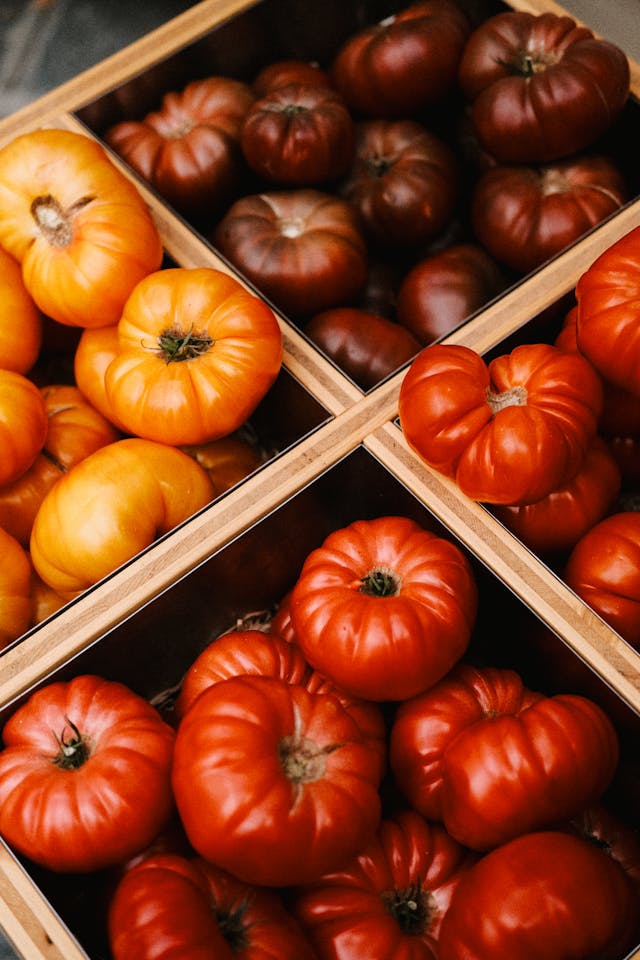
Let’s talk about something wonderful happening in gardens everywhere: a quiet return to older, storied vegetables that taste the way tomatoes, beans and peppers were meant to taste. If you’ve ever wondered what heirloom vegetables are and why so many gardeners are falling in love with them, you’re in the right place.
Key Points
Heirloom vegetables are open pollinated varieties that have been passed down for decades—often since before the 1950s (that means they’re older than me) —that grow “true to type” when you save their seeds, meaning the next generation mirrors the parent plant.
Gardeners love heirlooms for exceptional flavor, seed saving freedom, biodiversity preservation and the rich family or cultural history attached to varieties like ‘Brandywine’ tomato and ‘Dragon Tongue’ beans.
While heirloom plants can be more susceptible to certain diseases than modern hybrids bred for resistance, smart practices—crop rotation, proper spacing, morning watering and choosing tolerant varieties—prevent most problems.
Anyone can save seeds from common heirloom crops like tomatoes, beans, peppers and lettuce using simple techniques and store seeds for 3-5 years.
Common worries about GMOs, legal issues and special soil requirements are largely unfounded—traditional heirlooms are easy to grow and share.
What are Heirloom Vegetables?
So what exactly makes a vegetable an “heirloom”? Think of it like inheriting your grandmother’s recipe for Sunday dinner—something valuable that’s been passed down through generations because it’s just that good. Heirloom vegetables are old, time tested varieties that gardeners and farmers have saved and shared for at least 40-50 years, many dating back to before commercial hybridization took over seed catalogs.
The magic behind heirlooms is they’re open pollinated. This means pollination happens naturally—through wind, bees, butterflies or self pollinating flowers—without any human intervention. When you save seeds from open pollinated plants and keep them isolated from cross pollination with other plants of the same species, the offspring will display the same traits as the parent plant. That ‘Cherokee Purple’ tomato you grew this year? Its seeds will give you another ‘Cherokee Purple’ next season, with that same gorgeous purple-black exterior and brick-red interior. This is very different from the hybrid varieties you’ll find in most seed packets. Hybrid plants (often labeled F1) are deliberate crosses between two different inbred parent lines. They’re bred for uniformity, higher yields and disease resistance—all good things—but their saved seeds are unpredictable. Plant a seed from a hybrid tomato and you might get something that looks nothing like what you started with.
What makes heirlooms truly special is that most come with stories attached. The ‘Brandywine’ tomato traces back to Chester County, Pennsylvania where Amish farmers grew it in 1885. ‘Mortgage Lifter’ earned its name in the 1930s when a gardener paid off his house by selling its giant fruits. ‘Cherokee Trail of Tears’ pole bean, with its purple-striped pods and black seeds, carries the weight of Cherokee history. These aren’t just vegetables—they’re living connections to the gardeners who came before us.
And heirloom vegetables aren’t limited to tomatoes. You’ll find heirloom varieties of peppers, squash, beans, peas, lettuces, carrots in red and yellow and white hues, purple potatoes, crooked cucumbers and even sweet corn with kernels in rainbow colors.
Types of Heirloom Vegetables
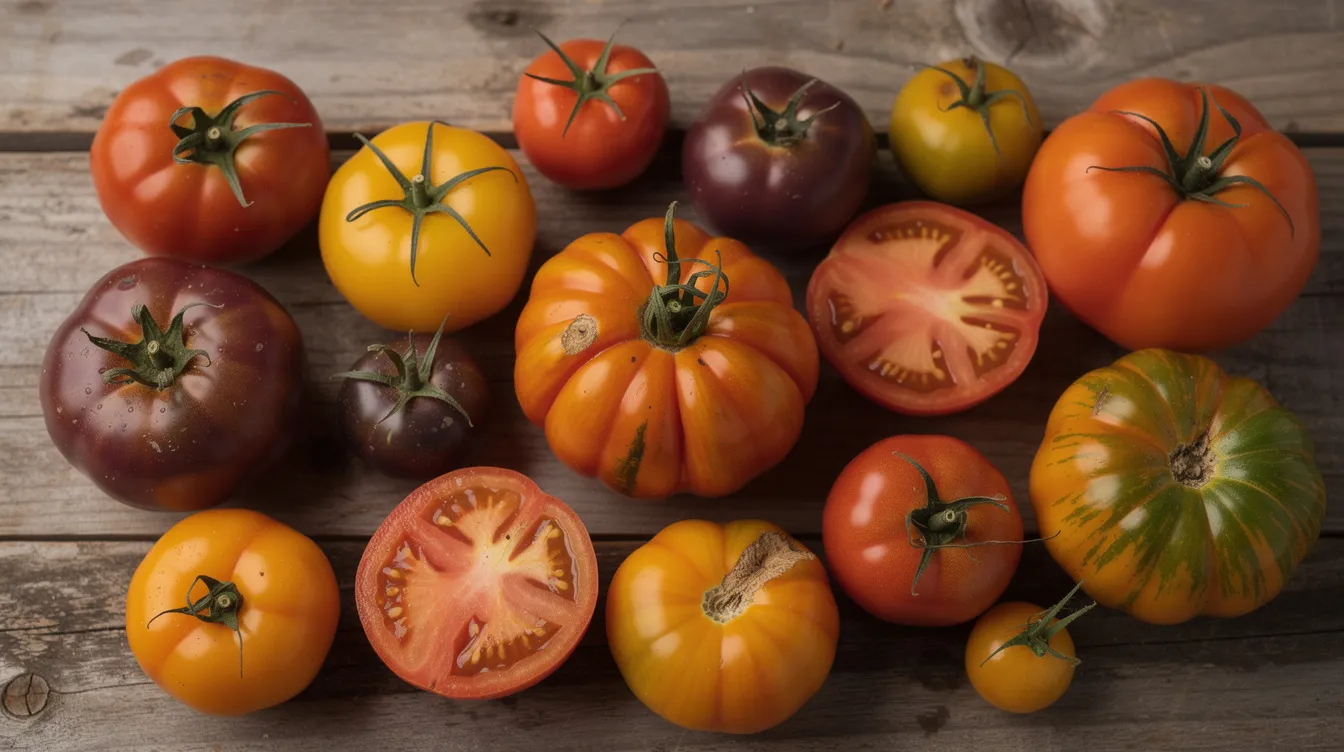
Heirloom vegetables come in an astonishing array of shapes, colors and flavors, each with a story rooted in generations of seed saving. These open pollinated plants are treasured for their ability to produce seeds that grow true to the parent plant, so the same traits—whether it’s the intense flavor of a Black Krim tomato or the sweet crunch of a ‘Crookneck’ squash—are passed down year after year.
While tomatoes like ‘Brandywine’ and ‘Cherokee Purple’ are the most well known there are many other heirloom vegetables. Heirloom peppers like ‘California Wonder’ and ‘Habanero’ offer a spectrum of heat and sweetness, while squash varieties like ‘Acorn’ and ‘Crookneck’ bring diversity to the garden with their unique shapes and colors. These vegetables often stand out from hybrid varieties not just in looks but in taste and adaptability. By growing and saving seeds from heirloom vegetables, gardeners play a crucial role in preserving genetic diversity. Each seed saved helps keep a living library of plant traits that might otherwise be lost to time. Organizations like Seed Savers Exchange and dedicated seed savers around the world work tirelessly to keep these heirloom varieties available, sharing seeds and stories so future generations can enjoy the same bounty. Whether you’re growing beans, lettuce or rare brassicas, every heirloom plant you nurture adds to the rich fabric of open pollinated vegetables that connect us to our gardening heritage.
Heirloom, Hybrid and GMO Vegetables: What’s the Difference?
Let’s clear up some confusion that trips up many gardeners. These three categories get mixed up in conversation but they’re quite different.
Heirloom vegetables, as we’ve discussed, are open pollinated varieties that have been handed down for decades. Their defining feature is you can save their seeds and grow the same variety year after year. They’ve been selected by generations of gardeners for traits like flavor, color and regional adaptation.
Hybrid vegetables are created through traditional plant breeding. A seed company might cross a disease resistant tomato variety with a particularly flavorful one, hoping the offspring combines both traits. The resulting F1 hybrid often shows “hybrid vigor”—strong growth and good yields—but if you save those seeds the next generation will segregate unpredictably. You might get a few plants like the original, some like one grandparent, some like the other and plenty of odd combinations. Hybrids are useful and have their place but they don’t allow you to build your own seed collection over time.
GMOs (genetically modified organisms) are something else entirely. These are created in laboratories where scientists directly insert or edit genes—sometimes from completely unrelated organisms. Here’s the good news: GMO vegetable seeds are generally not sold to home gardeners. The heirloom seeds and open pollinated varieties you buy from reputable seed companies are exactly what they claim to be. You won’t accidentally grow GMO vegetables in your backyard garden.
Why Grow Heirloom Vegetables?
There’s a moment in every gardener’s journey when you bite into your first homegrown heirloom tomato and realize what you’ve been missing. That grocery store tomato you’ve been eating? It was bred for shipping durability and uniform appearance, not for the explosion of sweet, tangy, complex flavor that heirloom tomatoes deliver. Flavor and diversity are the immediate rewards. Heirloom varieties offer tastes and textures you can’t find in supermarkets. Try ‘German Pink’ tomato with its floral sweetness and tender skin, or ‘Lemon’ cucumber with its nutty crunch and mild flavor. Grow ‘Dragon Tongue’ beans with their cream-and-purple streaks, or ‘Paris White Cos’ lettuce that Thomas Jefferson grew at Monticello in the 18th century. These aren’t just different colors—they’re different eating experiences.
Seed saving freedom changes how you garden. Because heirlooms are open pollinated, you can harvest vegetable seeds at the end of each season and plant them the following year. Over three to five generations your own seeds become adapted to your specific soil, climate and growing conditions. Some gardeners report 20-30% better yields once their strains have acclimated to local conditions through natural selection.
Cost savings add up fast. After your initial seed purchase you’re essentially growing free seed for every subsequent season. A few plants can produce enough seeds to fill your garden for years and share with other gardeners.
Biodiversity and cultural preservation matter more than ever. Organizations like the Seed Savers Exchange in Decorah, Iowa have maintained over 20,000 heirloom accessions since 1975, safeguarding genetic diversity that might otherwise disappear. When you grow heirloom varieties you’re part of this living seed bank, keeping unique vegetable varieties alive for future generations.
Community connections flourish around heirlooms. Seed swaps, seed libraries and online trading networks let gardeners share favorites and discover new treasures. There’s something special about handing a neighbor an envelope of pepper seeds your family has grown for three generations.
Do Heirloom Vegetables Have More Disease Problems?
Let’s address the elephant in the garden: you may have heard that heirloom plants are “weak” or prone to disease. The reality is more complicated than that.
Many modern hybrid varieties are bred for disease resistance. Those letters you see on tomato seed packets—VFN, for example—indicate resistance to verticillium wilt, fusarium wilt and nematodes. Most heirloom varieties predate this targeted breeding so they often lack these built-in protections. But “less resistant” doesn’t mean “doomed.” Many heirlooms have been grown successfully for over a century in real gardens, not sterile trial fields. The ‘Brandywine’ tomato for example shows surprising field toughness despite its age—likely because it evolved through generations of gardeners selecting for plants that thrived in their local conditions.
Some specific vulnerabilities exist. Heirloom tomatoes may be more susceptible to early blight in humid summers. Older cucumber varieties can struggle with powdery mildew without proper care. But these issues are manageable with good cultural practices.
A practical approach? Grow a mix of heirloom and disease-resistant hybrid varieties, especially if you garden in disease-heavy areas or have short growing seasons. This balance lets you enjoy heirloom flavors while hedging your bets.
How to Prevent Disease in Heirloom Vegetables
Here’s the good news: most disease problems are preventable with basic organic-friendly practices any home gardener can follow.
Crop rotation is your first line of defense. Don’t plant crops from the same family in the same spot year after year. Rotate tomatoes, peppers and eggplants (all Solanaceae) away from where they grew last season. Move squash and cucumbers (Cucurbitaceae) to a new bed. Shift beans and peas (Fabaceae) around your garden. A three to four year rotation cycle starves soil-borne pathogens before they can build up.
Spacing and airflow matter a lot for preventing fungal diseases. Crowded plants stay damp, and dampness invites trouble. Give tomatoes 18-24 inches between plants grown in rows. Space bush beans 4-6 inches apart. Let air circulate freely and leaves dry quickly after morning dew.
Watering habits can make or break disease prevention. Water at soil level in the morning using soaker hoses, drip irrigation or careful hand-watering. Keeping leaves dry reduces blight, mildew and leaf spots by up to 50% according to extension guidelines. Avoid splashing soil onto lower leaves which spreads pathogens.
Mulch and soil health create a foundation for strong plants. Apply compost and organic mulches like straw or shredded leaves to protect soil structure, maintain moisture and prevent disease-spreading soil splash. Healthy soil grows plants that resist stress better.
Tool and hand hygiene prevents spreading problems. Clean pruners between plants with rubbing alcohol. Don’t work with wet plants. Remove stakes and supports at season’s end and sanitize them before reuse.
Resistant choices within heirlooms exist—read seed descriptions carefully. Some heirloom varieties tolerate specific conditions better than others. ‘Deer Tongue’ lettuce handles heat without bolting quickly. Some tomato varieties resist cracking in humid weather.
Remove sick plants promptly. If an entire plant shows severe disease symptoms, pull it and dispose of it (not in your compost pile). This protects the rest of your garden from spreading infection.
Choosing Heirloom Varieties for Your Garden
Not all heirlooms behave the same way, so matching varieties to your climate, space and culinary preferences makes a real difference in your success.
Climate fit matters. Choose varieties that originated or have been tested in conditions similar to yours. Short-season northern gardens need quick-maturing heirloom tomatoes. Hot southern climates call for heat-tolerant okra and cowpeas that won’t wilt when temperatures soar.
Days to maturity tells you whether a plant variety will actually ripen in your growing season. Check seed packets and aim for varieties that mature within your frost-free period. A 65-75 day tomato variety suits short seasons better than one needing 90+ days.
Growth habit and space determines what fits where. Bush (determinate) heirloom tomatoes stay compact, while indeterminate types vine upward indefinitely and need sturdy support. Pole beans climb; bush beans don’t. Compact lettuces work in containers, while winter squash sprawls across garden beds.
Culinary uses should guide your choices. Growing sauce? Choose paste tomatoes like ‘Amish Paste’. Want sandwich slicers? Try meaty beefsteaks like ‘Mortgage Lifter’. Fresh eating beans need different qualities than dry beans for winter storage.
Trusted sources protect your investment. Buy from reputable seed companies like Baker Creek, Johnny’s Selected Seeds or Territorial. Local seed libraries and community seed swaps offer varieties already adapted to your region. Avoid random unlabeled seeds from unknown online sellers.
How to Save Seeds From Heirloom Vegetables
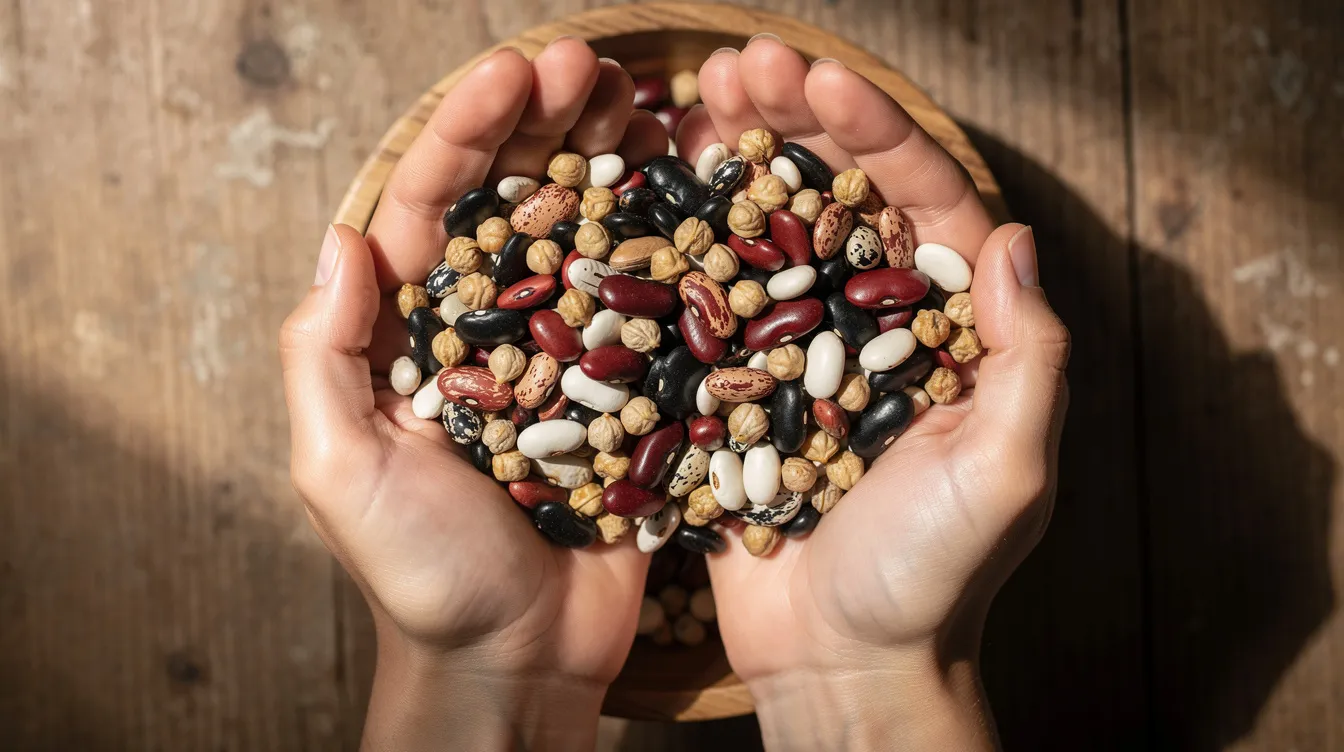
Here’s where the real magic happens. Seed saving connects you to generations of gardeners who’ve kept these varieties alive and it’s simpler than you might think. The core principle: save seeds only from healthy, vigorous, true-to-type heirloom plants that show the desirable traits you want—great flavor, good productivity, disease resistance. Never save seeds from sickly or off-type specimens. Choosing heirloom plant varieties for seed saving ensures stable traits in future plants. To save seeds from vegetables, always choose open-pollinated varieties rather than hybrids.
To keep a seed variety pure, you’ll want to avoid cross pollination with other varieties of the same species when possible. Avoiding cross pollination during seed saving is crucial to ensure the purity and viability of the seeds. Methods to avoid cross pollination include isolating varieties by distance, using physical barriers like row covers, or staggering planting times. To save pure seed, prevent cross-pollination between different varieties of the same species by isolating them. This is especially important for insect-pollinated crops like squash, cucumbers and melons, where bees happily mix pollen from different plants. Cross-pollination can affect the characteristics of the crop grown, including flavor and quality, and may influence the traits of the next generation. Self-pollinating plants like tomatoes, peppers, beans and peas are good choices for seed saving because they rarely cross.
Understanding plant taxonomy is also important. For example, Brassica oleracea is a genus that includes broccoli, Brussels sprouts, cabbage, cauliflower, kale and kohlrabi. These crops can easily cross-pollinate with each other, so it’s important to understand their crossing habits and keep different varieties isolated if you want to save pure seed.
Start with easy crops to build confidence before tackling trickier ones. The techniques fall into two basic categories: dry seeds that simply mature and dry on the plant, and wet seeds that need extraction and cleaning from moist fruit flesh. Harvest seeds from dry-fruited crops when the seeds are as dry as possible on the plant and most seeds are mature. Seeds should be harvested when they are fully mature, which may differ from when the fruit is ready for eating.
Some crops, like tomatoes and beans, set seed and mature within a single season, making them ideal for beginners. Seeds from biennial crops like carrots and beets are harder to save because they need two growing seasons to set seed.
Saving Seeds From Easy, Dry-Seed Heirloom Crops (Beans, Peas, Lettuce)
Beans and peas are the easiest to start with. Let pods stay on the plant until they turn brown, dry and brittle—you’ll hear seeds rattle inside when you shake them. Harvest entire pods before heavy rain arrives which can cause mold or premature sprouting.
Open pods over a tray or bowl and remove the seeds. Spread them in a single layer indoors for another one to two weeks until they’re rock hard. Test by pressing with a fingernail—good seeds show no dent or give.
Lettuce requires patience since you need to let the entire plant bolt and flower. Once seed heads turn tan and fluffy, gently rub or shake them into a container. The seeds are tiny but viable for several years when dried and stored properly.
Label everything immediately with the seed variety and harvest year. Trust me—you won’t remember which beans are which by next spring.
Saving Seeds From Heirloom Tomatoes and Peppers
Most heirloom tomatoes and peppers have self pollinating flowers, so they rarely cross with nearby varieties. This makes harvesting seeds from them beginner-friendly.
For tomato seeds, choose fully ripe fruits—even slightly overripe is fine—from your healthiest tomato plant. Cut them open and squeeze the seeds and surrounding gel into a jar. Add a splash of water.
Now comes the slightly weird part: let this mixture sit at room temperature for two to three days, stirring once daily. A light mold film will form on top. This fermentation removes the germination-inhibiting gel coating and helps reduce seed-borne diseases. Don’t skip it—it makes a real difference in germination rate later.
After fermentation, pour off the floating seeds and mold (they’re not viable seeds anyway), then rinse the good seeds that sank in a fine sieve. Spread them on a paper plate or coffee filters to dry completely for about a week. They should feel dry and separate easily, not clump together.
For pepper seeds, leave peppers on the plant until fully colored and starting to wrinkle slightly—this ensures seed maturity. Cut open the pepper, scrape out clean seeds, and spread them on a paper towel to dry for about a week. Avoid immature seeds from green or underripe peppers.
Label carefully: ‘Cherokee Purple – 2026’ or ‘Jimmy Nardello Pepper – Sept 2026’ so you don’t get confused later.
Saving Seeds From Heirloom Squash, Cucumbers and Melons
These crops are a bit more advanced because they cross pollinate easily via insects. But with a few precautions, you can still save seed successfully.
Here’s the challenge: if two different varieties of the same species bloom at the same time in your garden, bees will happily mix their pollen. Two Cucurbita pepo squashes (like zucchini and acorn squash) can cross, creating hybrid seeds that won’t grow true. Two different cucumber varieties can do the same.
Simple solutions help. Grow only one variety per species each season—one zucchini, one butternut squash (different species, so they won’t cross). Separate varieties as far as your yard allows. Or hand-pollinate a few flowers in the morning before bees arrive, then bag them to prevent cross pollination.
For cucumber seeds and melon seeds, let fruits mature well beyond eating stage until they’re yellowing with tougher rinds. Scoop out seeds with pulp, ferment like tomato seeds for one to two days, then rinse thoroughly and dry seeds completely.
For squash seeds, let fruits mature on the vine until shells are hard and fully colored. Cure indoors for a couple of weeks, then cut open and spread seeds in a single layer to dry.
Brave gardeners sometimes enjoy the unexpected crosses that result from accidental pollination—you might discover something interesting. But if you want predictable results for a specific variety, isolation matters.
Heirloom Seed Germination Rate
Knowing the germination rate of your heirloom seeds is key to successful gardening and seed saving. The germination rate tells you what percentage of seeds will sprout and grow into healthy plants, and it can vary depending on the seed variety, seed maturity at harvest, and how well the seeds have been stored.
To test the germination rate of your heirloom seeds, try this simple method: place a set number of seeds—say, ten—on a damp paper towel, fold it over, and seal it in a plastic bag or container. Keep it in a warm spot and check after a week to see how many seeds have sprouted. If eight out of ten seeds germinate, you have an 80% germination rate. If seven or more sprout, your seeds are still good. Below that, plant extra heavily or source fresh seed.
Several factors affect germination rate. Seeds harvested at full maturity and properly dried tend to last longer. The seed variety also plays a role, as some types naturally last longer than others. Proper storage—cool, dry, and dark—helps maintain high germination rates for years. Techniques like fermenting tomato seeds or thoroughly drying bean seeds can further improve their ability to sprout. By testing and caring for your heirloom seeds regularly, you’ll give each new generation of plants a strong start.
Storing Heirloom Seeds for Future Seasons
Proper seed storage extends seed viability dramatically. The enemies are moisture, heat, and light—so aim for cool, dry, and dark.
First, make sure seeds are completely dry before storage. No softness, no bend when pressed. Air-dry all seeds for at least one to two weeks after cleaning, even if they seem dry already.
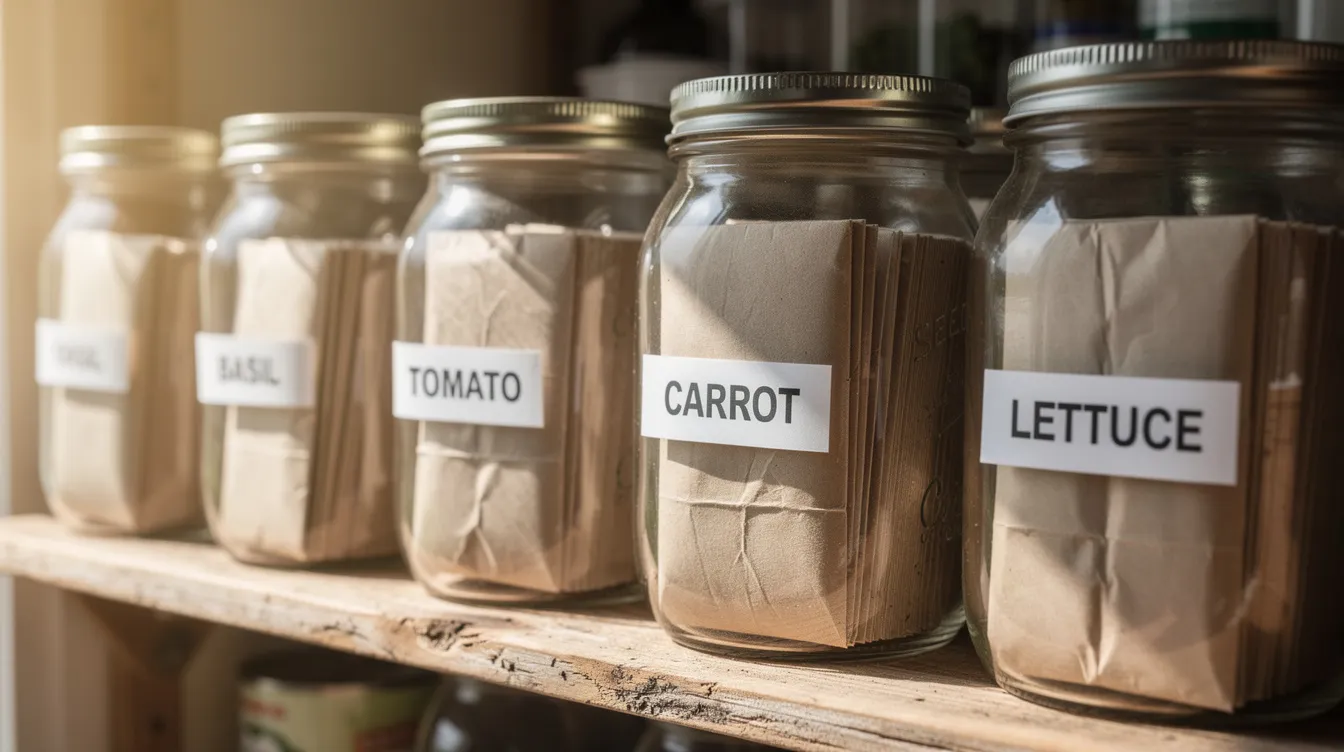
Place individual seed variety packets in paper envelopes—plastic containers can trap moisture and cause problems. Label each envelope with crop, variety name, and harvest year (e.g., “Bean – ‘Dragon Tongue’ – saved Sept 2026”).
Then store these envelopes inside airtight containers like glass jars or metal tins. Add a desiccant—silica gel packets or a tablespoon of dry rice wrapped in tissue—to absorb any remaining moisture.
Keep containers in a cool location: an interior closet, basement, or refrigerator around 40-50°F works well. Avoid temperature swings and humid spots like garages or garden sheds.
Seed life varies by crop. Bean and tomato seeds often last four to six years. Pepper seeds last three to four years. Onion and parsnip seeds fade faster—closer to one to two years even with good storage.
Heirloom Vegetable FAQs
These questions come up often and cover topics not fully addressed above. Let’s answer them directly.
Are heirloom vegetables always organic?
No—“heirloom” describes the variety’s genetics and history, not how it’s grown. You can grow heirloom vegetables using organic methods, conventional fertilizers, or anything in between. Many gardeners choose heirlooms because they pair naturally with organic and low-input approaches, but certification depends on how the crop is grown, not the seed itself.
Can I grow heirloom vegetables in containers?
Yes. Most heirloom vegetables adapt to container growing as long as pots are large enough (at least five gallons for tomatoes and peppers) and filled with good potting mix. Choose compact or bush varieties for small spaces—dwarf tomatoes, bush beans, and smaller peppers work great. Large vining squash or melons need very big containers and strong support, so they’re more challenging but not impossible.
Can I save and share heirloom seeds?
In most places, home gardeners can save seeds from heirloom and open pollinated varieties for personal use and informal sharing with friends or at local seed swaps. Traditional heirlooms aren’t protected by plant variety rights or patents. Some modern varieties may have restrictions, so check if you’re starting a commercial seed business—but for backyard gardening and sharing, you’re good to go.
Will my heirloom seeds turn into GMOs if they cross-pollinate?
No. Cross pollination between garden plants only mixes traits from other nearby varieties of the same species through natural reproduction. It can’t create GMO plants—those require laboratory gene insertion or editing. Accidental crosses just produce hybrids that may look or taste different from the parent plant, not genetically engineered crops. Plan ahead by isolating varieties if you want pure seed produced, but don’t worry about creating something unnatural.
Do heirloom vegetables need special fertilizer or soil?
Heirlooms don’t need anything beyond what any vegetable garden needs: well-drained soil, plenty of organic matter, and balanced nutrients. Compost is your best friend. A general-purpose organic fertilizer works fine. Test your soil every few years to adjust pH and address any deficiencies. Healthy soil is truly the secret ingredient for big harvests—whether you’re growing your own food from heirloom or hybrid varieties.
Conclusion
Growing heirloom vegetables isn’t about being perfect or nostalgic for its own sake. It’s about being part of something bigger—a living tradition of gardeners selecting, saving, and sharing the right plants for their tables and their places. Start with a few plants this season, save some seeds, and see where the journey takes you. Every heirloom variety you grow is one more thread in a tapestry stretching back generations—and forward to gardeners who haven’t been born yet.
Saving seeds is more than a gardening technique—it’s a way to preserve the amazing genetic diversity in heirloom vegetables and ensure these special plants are around for generations to come. By learning to save seeds, harvest at the right time and store them in airtight containers until they’re completely dry, you can save seeds from a few plants each season and build a healthy, disease-resistant garden year after year.
Whether you’re just starting out or have been gardening for decades, saving seeds from your favorite heirloom vegetables puts you in the company of seed savers working to protect our food heritage. With each seed you save, you’re not only growing your own food but also preventing cross pollination with hybrid varieties and maintaining the traits that make heirloom plants so unique. Remember, keep your seeds dry and store them in airtight containers to keep their germination rate and viability high.
So why not start your own seed saving journey? Choose a few plants—perhaps a beloved tomato plant or a handful of pepper plants—and follow the simple steps for harvesting seeds and storing them properly. You’ll enjoy growing your own food, the flavor and nutrition of heirloom vegetables and knowing you’re helping to preserve genetic diversity for the future. Happy seed saving!


