Growing Food at Home
A Practical Guide to Getting the Most out of Your Backyard Garden and Food Forest
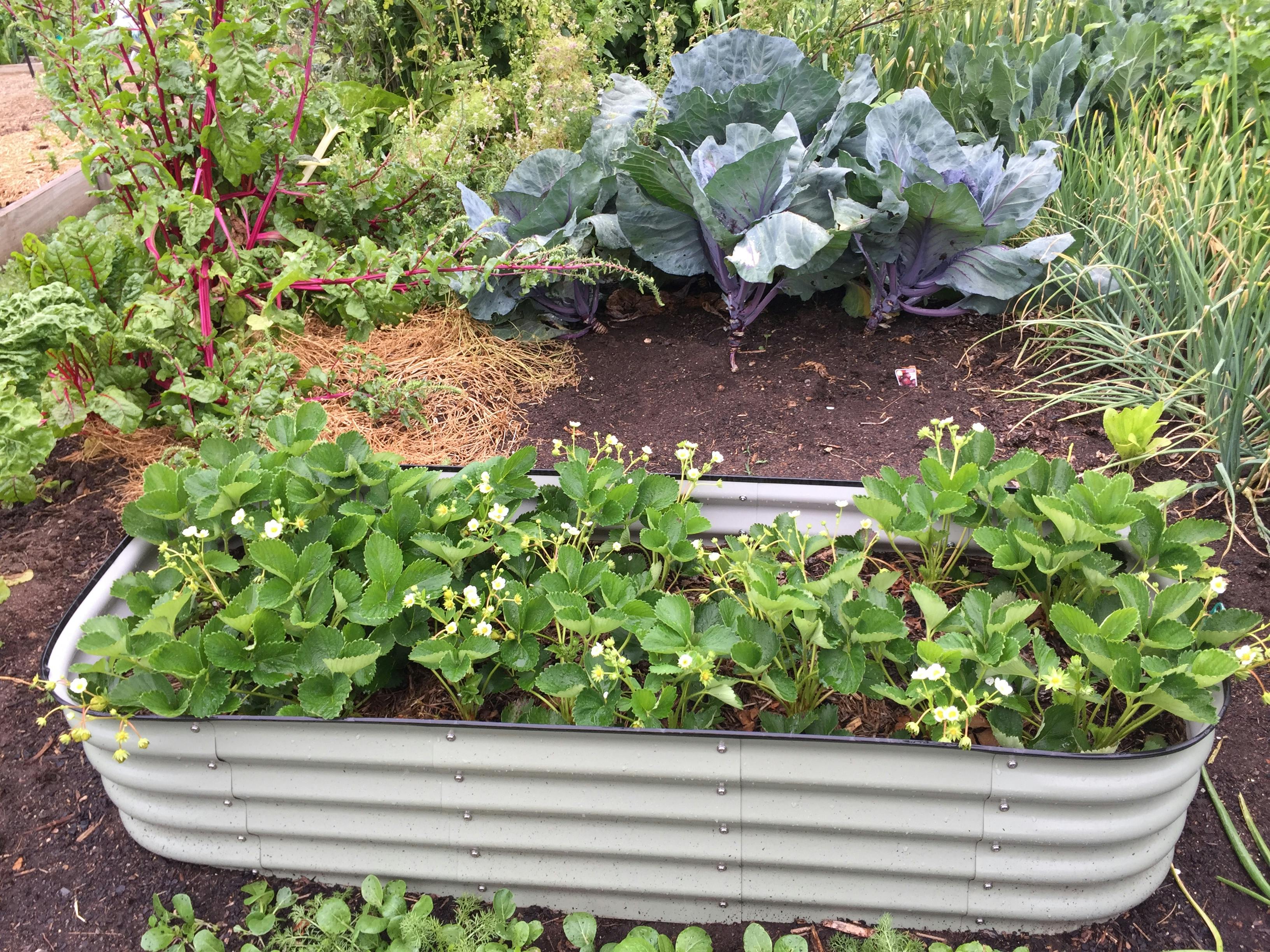
You've got a powerful asset right in your own backyard, and its name is your yard. Recognizing this can inspire confidence in your ability to cut your grocery bill and take control of your food supply. Growing some of your own food isn't just a quirky hobby anymore. It's a really smart way to save money, eat better, and stay one step ahead of rising grocery prices and unpredictable supply chains. This guide will walk you through getting started with raised beds and a simple food forest so you can produce your own fresh food this season.
Key Takeaways
Start with a clear goal and let that guide your decisions - such as cutting your grocery bill by 30% by growing high-value crops like salad greens, herbs, and berries in a tiny backyard. That means a small plot of land can be a big money-saver.
Use raised beds for quick results with staple veggies and make a plan for a simple food forest (fruit trees, berry bushes, and perennial herbs) to secure your long-term food supply and lower your dependence on ever-rising food costs.
Design your garden to suit your local climate and sun patterns so you can rely on a steady supply of fresh produce from early spring to late fall, even if you live in an area prone to food shortages or supply disruptions.
Keep your running costs low by using efficient watering, composting and natural pest control instead of relying on expensive store-bought inputs.
Track what you're harvesting and compare that to the price of the same produce at the grocery store to see just how much growing your own is saving you in real dollars.
Why Growing Your Own Food Matters
Food prices keep going up, and it's not just a local problem. Between 2024 and 2025, food-at-home prices rose by around 2.3 percent according to the USDA - but that's just the average. Eggs shot up 21.9 percent, beef and veal went up 11.6 percent, and even grocery shelves saw month-over-month price jumps as steep as 0.7 percent in December 2025 alone. The consumer price index for food remains super volatile, while average prices on staples keep on climbing.
This isn't just a domestic problem - it's a global one too. Globally, food price inflation above 5 percent is affecting 45 percent of low-income countries. In East and Southern Africa alone, 67 million people need food assistance. Home gardens and food forests act as small security systems, helping you feel more resilient in the face of supply chain disruptions and food shortages. The more you grow yourself, the less dependent you are on a system that's shown itself to be pretty breakable.
The rest of this article shows you how to get started - from planning raised beds that'll produce in the summer to planting food forest elements that'll keep feeding your family for years to come.
Planning Your Backyard Garden to Save You Money
Create a plan in winter or early spring. Doing so can inspire optimism and confidence that your efforts will pay off throughout the growing season. January through March is the ideal time to map out your yard, set some clear goals, and order seeds before the rush.
Set a concrete savings target. If your household spends $600 a month on groceries, a 30% cut means saving $180 a month - or around $2,160 a year. Translate that into some raised beds and a simple food forest border along your fences or property edges with fruit trees, berry bushes, and perennial herbs - and your savings will be compounding year after year.
Map out your sun exposure by walking around your yard in April-June and noting where the sun lands longest-aim for at least 6-8 hours of direct sunlight - so you can position your tomatoes, peppers, and squash in the best spots for growth.
Choose your crops wisely. Pick the ones that are worth growing, that are expensive at the grocery store, and cost a relative pittance in seed. That means:
Leafy greens (lettuce, arugula, kale)\
Culinary herbs (basil, cilantro, rosemary)\
Berries (strawberries, blueberries, raspberries)\
Storage crops (garlic, onions, potatoes)
Plan for staggered harvests. Cool-season crops like peas, spinach, and lettuce go in early spring and again in fall. In contrast, warm-season crops like tomatoes, peppers, and cucumbers fill the summer. That way, you have a constant supply of fresh produce throughout the season.
You don't need acres of land to save a pretty penny either. Even a 200-600-square-foot garden can make a big difference. Raised beds are probably the easiest route to a productive garden. They're also super tidy and very manageable if you've got a small plot of land. Plus, you get to control soil quality from the beginning.
Setting Up Raised Beds
Dimensions and Quantity
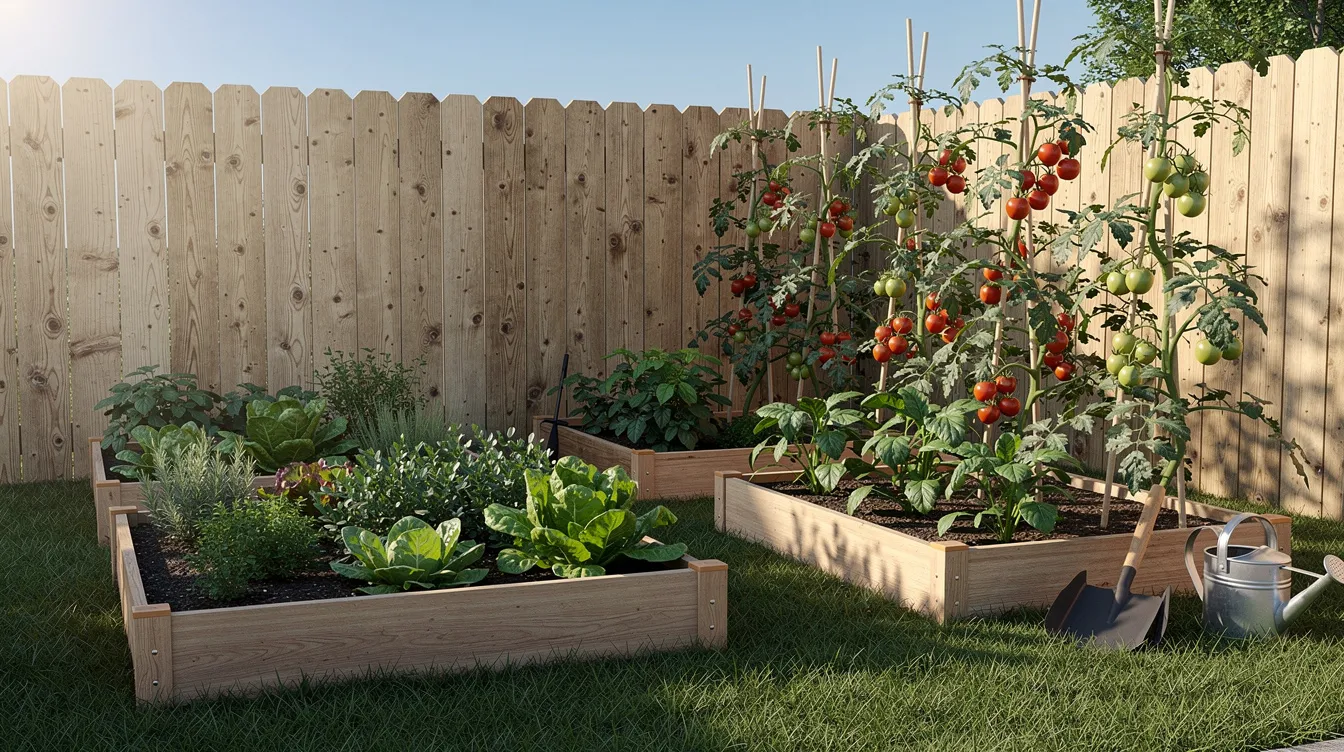
A 4 ft × 8 ft bed that's about 10-12 inches deep is going to work just fine for most of your crops. Just keep in mind that root crops like carrots and potatoes may need a little more depth - about 12-18 inches. Two beds - roughly 64 square feet - can give a family of four all the spring greens, tomatoes, and cucumbers they need for the year. Four beds will put you in serious produce territory. Don't forget to make your garden paths at least 3 feet wide so you can easily get around with a wheelbarrow or garden cart.
Materials & Costs
A 4x8 frame will cost between $50 and $250, depending on whether you use untreated cedar, galvanized metal, or composite boards. The big-ticket item is the soil. It can cost $3 to $7 per cubic foot. A budget mix of 60% topsoil, 30% compost, and 10% perlite will work just fine for most veggies. Start with budget-friendly soil, then upgrade it each year with some homemade compost.
Crop Layout & Seasonal Planting Over Three Years
You don't need to fill every bed at once; instead, adopt a phased approach to planting to manage your space and resources more efficiently over time.
Year 1\
Spring: Lettuce, spinach, peas, radishes
Summer: Tomatoes, peppers, pole beans
Fall: Garlic, kale, beets
Year 2\
Spring: Add carrots, cabbage, arugula
Summer: Cucumbers, winter squash, sweet potatoes
Fall: Onions, more garlic, cover crops
Year 3\
Rotate all your beds, add asparagus crowns
Consider expanding to grains or dry beans if you've got the space.
Plant some fruit trees and perennial herbs
Radishes grow incredibly fast, even faster than most other veggies, and they make great markers for your slower crops. This phased plan keeps costs manageable in the first year, and then you can start to build complexity as your gardening skills grow.
Accessibility Tips
If possible, put your beds close to your water source. Mulch like crazy with straw or wood chips to keep weeds at bay and retain moisture. Every little bit of effort now will save you hours of tedium every week.
Designing a Simple Backyard Food Forest
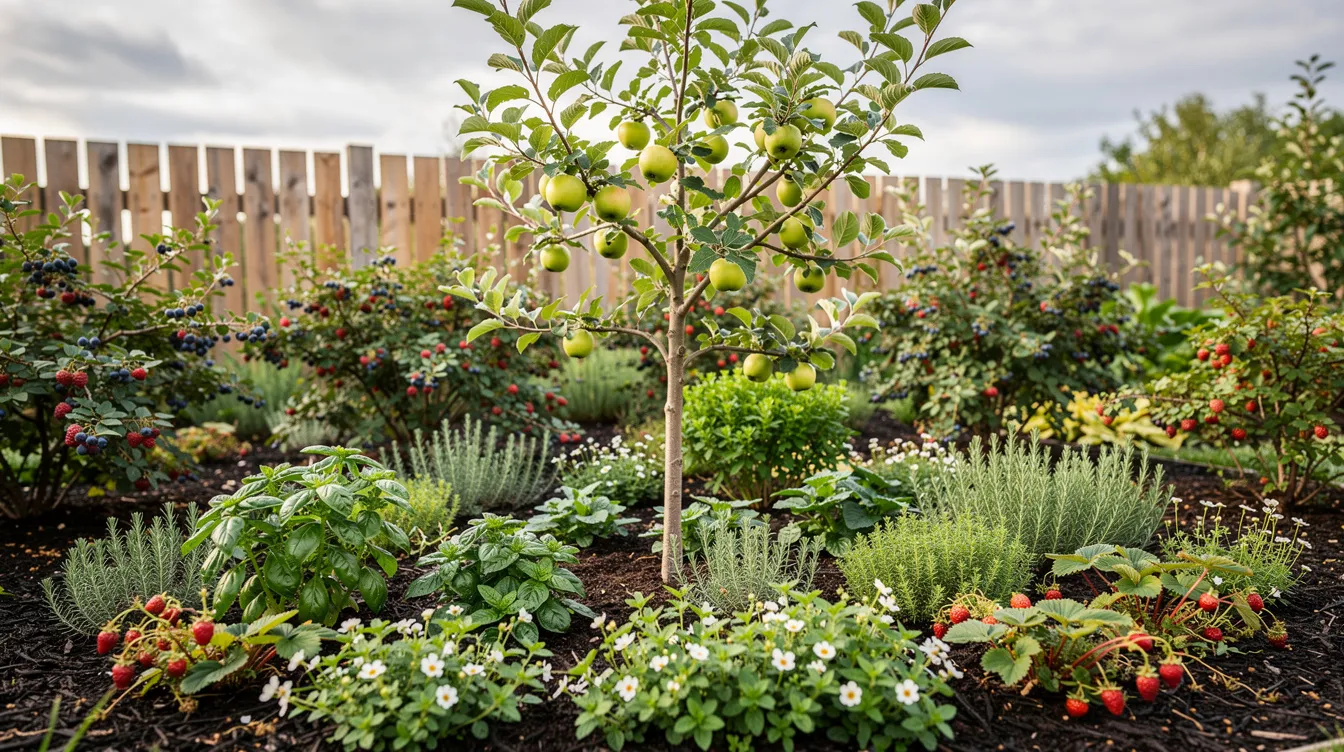
A food forest is basically a layered, low-maintenance planting of fruit trees, shrubs, herbs, and groundcovers that copies a natural woodland. Unlike an ordinary annual bed, a food forest is a long-term investment - it takes 2 years or more to start producing meaningful returns. Still, once it's established, it'll give you a steady supply of food for decades with minimal annual effort.
Size & Fit
You can fit a small suburban food forest in a 20-ft x 20-ft corner or even along a back fence. That'll give you some food security over the next 5 to 10 years, depending on the plants and soil you choose.
The Layers, with Examples:\
Canopy: Apple or pear tree (for cold climates) or fig or low-chill peach (for warm ones)\
Understory: Dwarf plum, cherry, or pomegranate
Shrub layer: Blueberries, currants, raspberries
Herb layer: Chives, mint, oregano, thyme
Groundcover: Strawberries, clover
Root layer: Jerusalem artichokes, perennial onions
Vine layer: Hardy kiwi, grapes
Just remember that fruit trees won't start producing for 2-3 years, so you have to be patient. Just pick varieties that'll do okay in your USDA hardiness zone. If you are a cold-climate gardener (Zones 3-6), you should check out hardy apples, tart cherries, or cold-tolerant berry bushes. If you're a warm-climate gardener (Zones 7-10), you've got all kinds of options like figs, citrus, and low-chill peaches.
Focus on low-maintenance perennials like berries, hardy herbs & asparagus. Set up some basic drip irrigation with a timer you can set. Over the next couple of years, a food forest will start to become more self-sufficient, producing fruit & herbs with only a few minutes of attention per week.
Start Small in the First Year
Just start with one fruit tree, some berry bushes, and a ring of herbs this year, then add a second tree the next year. That way, you can keep costs under control and get a feel for how it all works.
Long-term Savings
Once it's all matured, a small suburban food forest will give you around 500 pounds of a mix of fruit, berries, and herbs every year on less than a quarter acre and with less and less annual care. That's hundreds of dollars worth of food right where you need it - all from plants that need less water, less fertilizer, and less maintenance than an ordinary annual bed.
Choosing Crops That Maximize Savings & Reduce Food Insecurity
When you choose the right plants, your garden is no longer a hobby. It's a smart way to feed your family, especially when money is super tight due to job loss, health emergencies, or economic downturns. For households worried that they might not have enough to eat, smart crop selection means your yard can actually feed your family when it really counts.
Fast-growing greens - the ones that'll fill your shopping bags with the least amount of cash. Lettuce, spinach, arugula, and kale are the way to go because they're expensive at the store, grow like crazy, and you can keep harvesting them over and over again using those neat cut-and-come-again methods. The best part is that they can handle partial shade and are dead easy to grow, making them perfect for total beginners.
High-value herbs - the ones that will really start saving you some cash. A handful of basil at the grocery store costs three to four bucks - but a single basil plant will produce that much (and more) every week for months on end. Cilantro, thyme, and rosemary are some other herbs that should be part of your herb garden - and publications like Mother Earth News have been touting them as one of the highest return crops per square foot for years now.
Reliable staples - the ones you can count on no matter what. Potatoes, carrots, onions, garlic, beets, and cabbage are all sources of calories and nutrients that remain good to eat months after harvest. And the best part is that root crops are cheap to start with, can be stored for months, and can be cured to last even longer.
Fresh fruit - the sweetest savings of all. Strawberries, raspberries, and blueberries are all winners when it comes to growing your own fruit - they're easy to grow and will produce abundantly in small spaces. Plus, toss in at least one apple, pear, or peach tree if your climate and chill hour requirements allow it - apples are one of the most reliable backyard fruits you can grow in temperate zones.
Crops that preserve well - the ones you can enjoy all year round.
Winter squash and sweet potatoes will keep for months if you store them in a cool, dry space.
Dry beans will keep you in protein for ages - and they keep indefinitely
And if you can some of your tomatoes, you can enjoy them year-round
Perennials for a stable food supply - the ones that'll keep on giving year after year. Asparagus, rhubarb, and walking onions are all what's known as perennials - they come back year after year and produce with less and less labor each time. They're a great way to stabilize your food supply and reduce the amount of work you have to do at the same time.
Make it personal. Make a list of the top 10 fruits and vegetables your family buys most often at the grocery store, then target homegrown replacements for at least 3 of those items each year. If your family is salad crazy, that's where your focus should be. If you go through pounds of tomatoes weekly, give them a whole bed to themselves.
Practical Climate and Seasonal Timing Tips
Get your planting dates right, and you'll be growing like a pro. Get them wrong, and you'll just be throwing money down the drain. Your climate zone will tell you what you can grow and when.
The common planting windows to keep in mind.
Climate Band Cool-Season Planting Warm-Season Planting Fall Planting
Cold Northern (Zones 3–5) Late April–May Late May–June August–September
Temperate (Zones 6–7) March–April May–June September–October
Hot Southern (Zones 8–10) February–March April–May October–November
Cool-season crops like peas, spinach, and lettuce will thrive in cooler soil and a bit of frost. Then plant your summer vegetables when the temperature hits 75 degrees.
How to extend your season. Mulch, row covers, and those small hoop houses can all add several weeks to your growing season at either end. For the price of a $30 row cover setup, you can have a month or more of extra greens in the fall in temperate zones, and that's a real game changer.
Water-smart practices for hot, dry summers. Most veggies need about one inch of water per week - but you should be watering at the base of the plant, not the leaves - that's the key to preventing fungal diseases and making your harvest safe to eat. Do your watering in the morning to cut down on evaporation, and use drip irrigation to get the water straight to the roots - it's a real game changer for drought summers.
Climate-specific notes. Rye is one of those cover crops that will handle heavy rainfall and cold temperatures - it's perfect for northern gardens between seasons. Rice, on the other hand, requires a tropical climate to grow well - so if you don't live in a tropical zone, you might want to leave it off your list.
Keep a garden notebook. Make yourself a record of first and last frost dates, which varieties you planted, when you harvested them, and how much you got - that way you can refine your planting decisions every year and make sure you're growing what does best in your specific yard and microclimate.
Keeping Costs Low: Soil, Water, and Pest Management
The only way to really save money on homegrown food is to keep your costs down. The key to that is building systems - composting, rainwater collection, natural pest control - that will cut your costs every year.
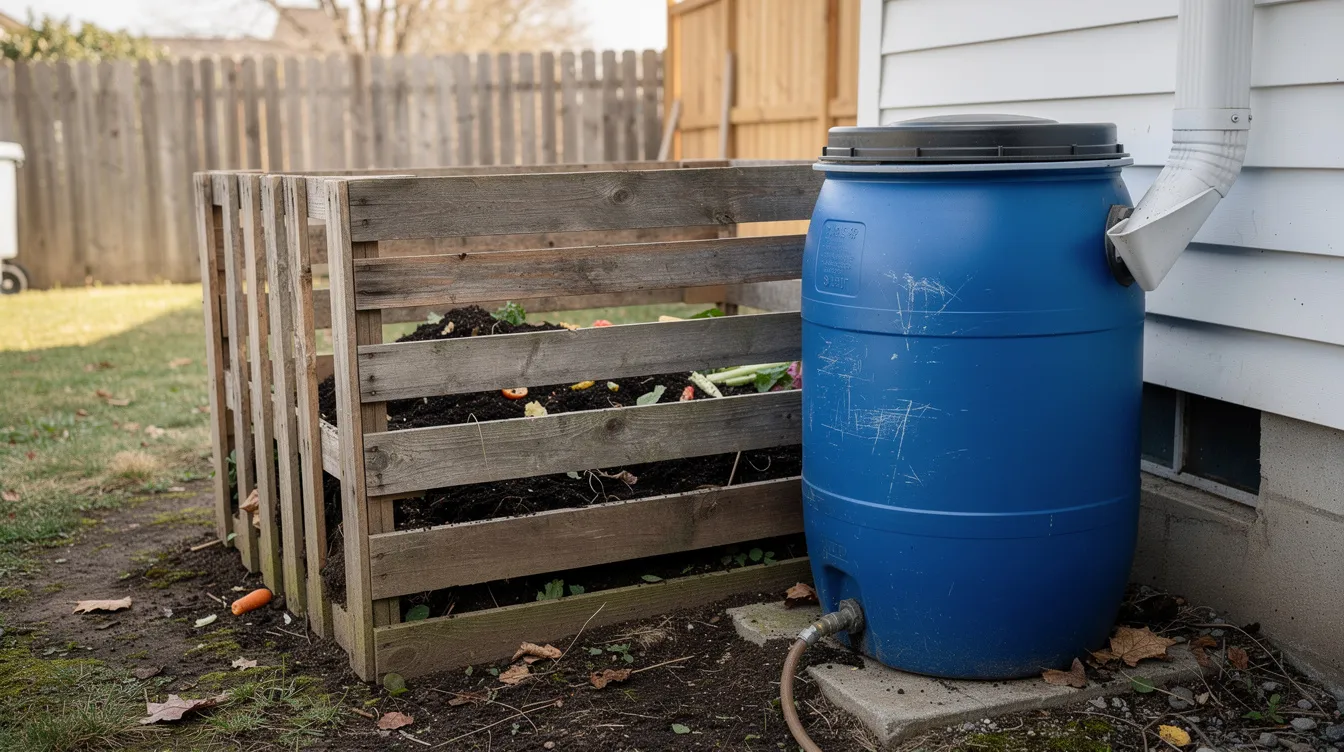
How to build soil fertility on the cheap. Composting takes your kitchen scraps and yard waste and turns them into nutrient-rich soil. And the best part is, it's absolutely free. Get yourself a basic compost bin and start mixing everything together. This matters more than ever because fertilizer prices are projected to rise by an average of 31 percent in 2026, making store-bought amendments an expensive option. So build your own - it's a much better value.
Watering wisely. Collect rainwater in barrels tucked under downspouts where you can, and use drip irrigation or soaker hoses to get the water right to the roots. Mulch with straw or wood chips down wherever you've planted. That'll cut down on evaporation, and your water bills will stay in check even on the driest of summer days.
Low-cost pest control:
Grab those pesky caterpillars and beetles by hand
Drape some netting or row covers around your plants to keep insects and birds from getting to your crops
Mix up some homemade organic sprays (like soapy water or neem oil) and use 'em sparingly
Rotate your crops to keep the soil healthy and break those pesky pest cycles
Luring in beneficial bugs. Throw some bright flowers like marigolds, calendula, and sunflowers around the edges of your beds and food forest - they're like a welcome mat for pollinators and predatory insects that'll happily munch on your garden pests for nothing.
Getting a grip on your soil. Most local extension services offer free or inexpensive soil testing. The test will tell you the soil's pH and nutrient levels, so you can avoid overbuying amendments.
Avoid going overboard in year one. Start with a basic toolkit: hand trowel, pruners, some gloves, and a watering hose. Scour garage sales and community swap events for second-hand tools. You can get some great deals that way. Spend your real money on quality soil and a decent irrigation setup - that will pay dividends.
Harvesting, Preserving, and Seeing the Savings Add Up
Now that planning's turning into results, you can see the money you're saving. Every pound of fresh food you grab, use, or preserve is cash you wouldn't have spent at the store.
Harvesting the basics. Pick lettuce greens and herbs often. It makes them grow back, and you get more out of your garden. Wait for tomatoes and fruit to ripen completely for the best taste and nutrition. And when storage crops like onions and squash are mature, cure them properly. Dry them in a warm, dry place.
Simple preservation methods:
Stick chopped-up peppers, herbs, and berries in the freezer for later
Can that tomato sauce and high-acid fruits in a water bath
Place winter squash and potatoes in a cool, dark place for storage
Hang herbs to dry, or dry them in an oven at a low temperature, watching them closely
Get some cabbage and cucumbers in a jar and ferment the heck out of 'em
These methods keep your harvest fresh through the winter, and since you're not buying all that produce at the store, you'll save some serious cash.
Track savings with a harvest log.
Write down the date, what you picked, how much it weighed, and how much the same food costs at the local grocery store. For example, if you got 20 pounds of tomatoes at $3 per pound in the store, that's $60 in produce. At the end of the year, you can see how much you saved.
By the end of the year, you'll be able to compare your harvest value to what you spent on seeds, soil, water, and tools. You'll have a clear idea of the return on investment you got from your garden. The cost of the raised bed itself should be spread out over at least 10 years.
Share if you've got to spare. If you have more produce than you can eat, share it with your neighbors or a local food bank. Helping out your community strengthens those relationships that make a neighborhood go from just a neighborhood to a real community.
The value of growing your own food is twofold: half is the cash you save, and the other half is the fresh, nutritious food you get to eat instead of whatever is in those plastic containers. You eat better, you feel better, and your budget gets a whole lot better.
How can I avoid breaking the bank on tools & supplies in my first year?
Take it easy with the toolkit - a basic hand trowel, a decent pair of pruners, a watering hose, and a good pair of gloves should get you through the first year. Shop around for second-hand tools if possible. Use low-cost materials to build the beds, and put your money into top-notch soil & a no-frills irrigation system. Hold off on making a big purchase like a hoop house or a full irrigation system until you've seen what your family actually eats & what will actually grow in your yard - you don't want to waste cash on something that'll sit idle. Research before you buy, and let your garden teach you what it needs over time.
“This article was initially generated using Surfer SEO’s AI‑assisted content creation tools, which provided keyword research, structure guidance, and draft content based on top‑ranking pages. The draft was then extensively edited for tone, style, and factual accuracy, with additional human‑written sections added to enhance depth and context.”


