Garden Water Management
Finding the Balance Between Too Much and Too Little
Key Takeaways
Plants need a delicate balance of air and water, with too much leading to root rot and too little causing drought stress that invites bugs.
Raised beds, mounds, swales and French drains help move or absorb excess rainwater, while sunken beds, mulch, compost, and basins store scarce moisture for the plants.
Rainwater harvesting, grey water reuse, rain gardens and drip irrigation are all key tools for making the most of the water available.
A good garden design needs to take into account soil type, slope, climate and getting the right plant in the right spot.
Introduction: Why Garden Water Management Really Matters
Between 2020 and 2026, many gardeners have had to deal with hotter summers, longer dry spells, sudden downpours and winter flooding. So, garden water management these days means two things at once: conserving water when it's dry, and dealing safely with a deluge when it comes.
Just like a healthy person needs air as much as food and water, healthy plant roots need oxygen and moisture in equal measures. When the soil is too wet, the air gets squeezed out and disease takes over. And when the soil is too dry, it can crack, lose its structure and cause stress to the plants. Getting your garden water management right is all about making the most of plant health while cutting waste.
Understanding Soil, Roots and Water
Knowing what kind of soil you have is crucial to figuring out how much water your plants really need. Sandy soil sips up water quick as a wink, while clay holds onto it like a miser. Loam is usually the easiest to work with, offering a nice balance of drainage and water retention.
When water takes over the pore spaces in the soil, roots can't breathe. And that can lead to all sorts of problems for your plants: yellow leaves, stunted veggies, fungal disease, and root rot. And then there's the opposite problem, where the soil gets too dry, the plants wilt, their leaves scorch and bugs like spider mites and aphids move in to take advantage.
Getting a soil test from your local extension service or a lab will give you some idea of:\
What type of soil you've got (sand, silt, clay, or loam)\
The pH and nutrient level\
The amount of organic matter\
If the soil is compacted or has any hardpan layers
Adding compost to the soil will improve its ability to retain water. Compost, leaf litter, well-rotted manure and cover crop roots all help to hold water in the soil while improving drainage, especially if the soil is compacted.
Designing Garden Beds for Too Much or Too Little Water
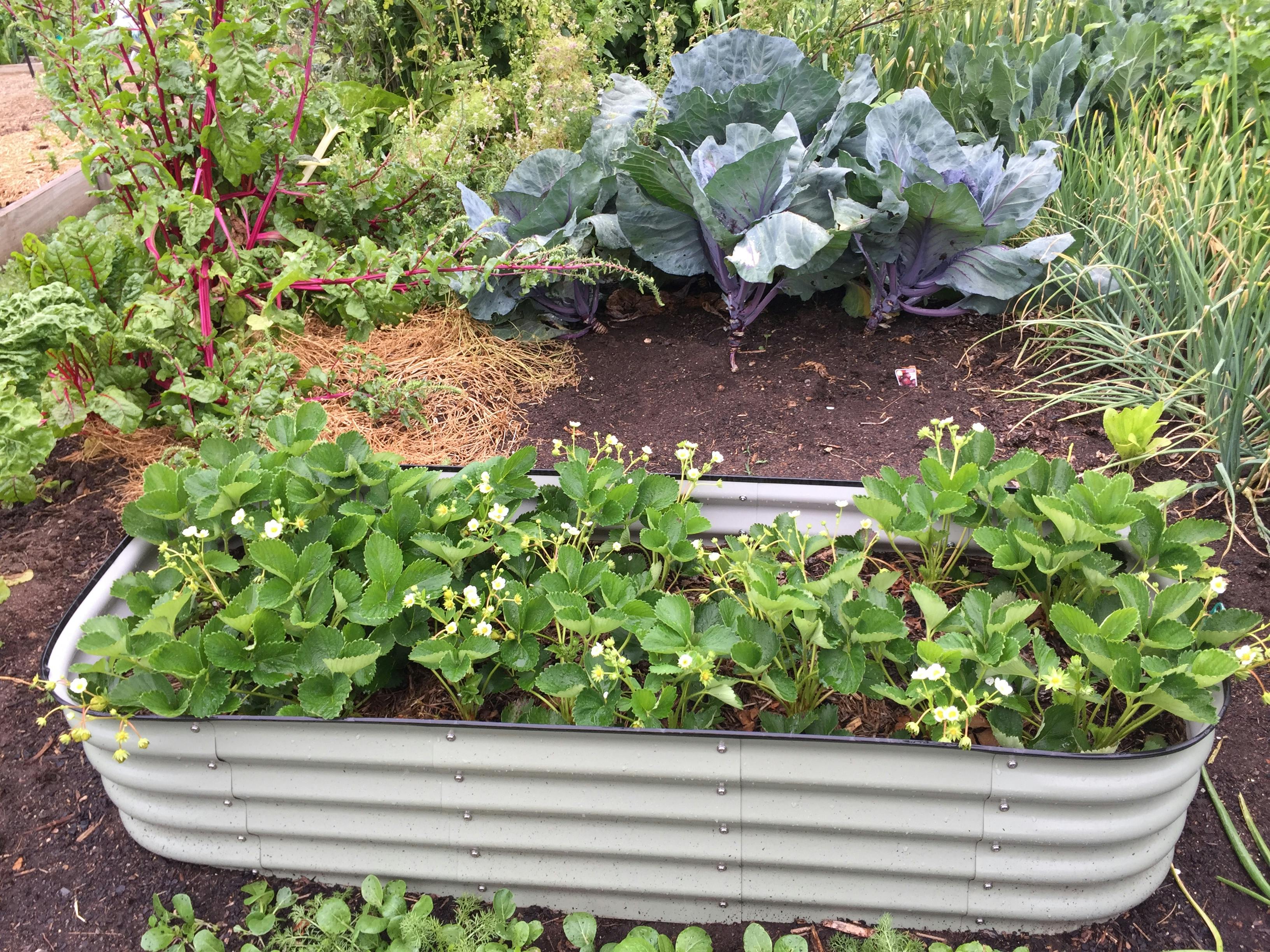
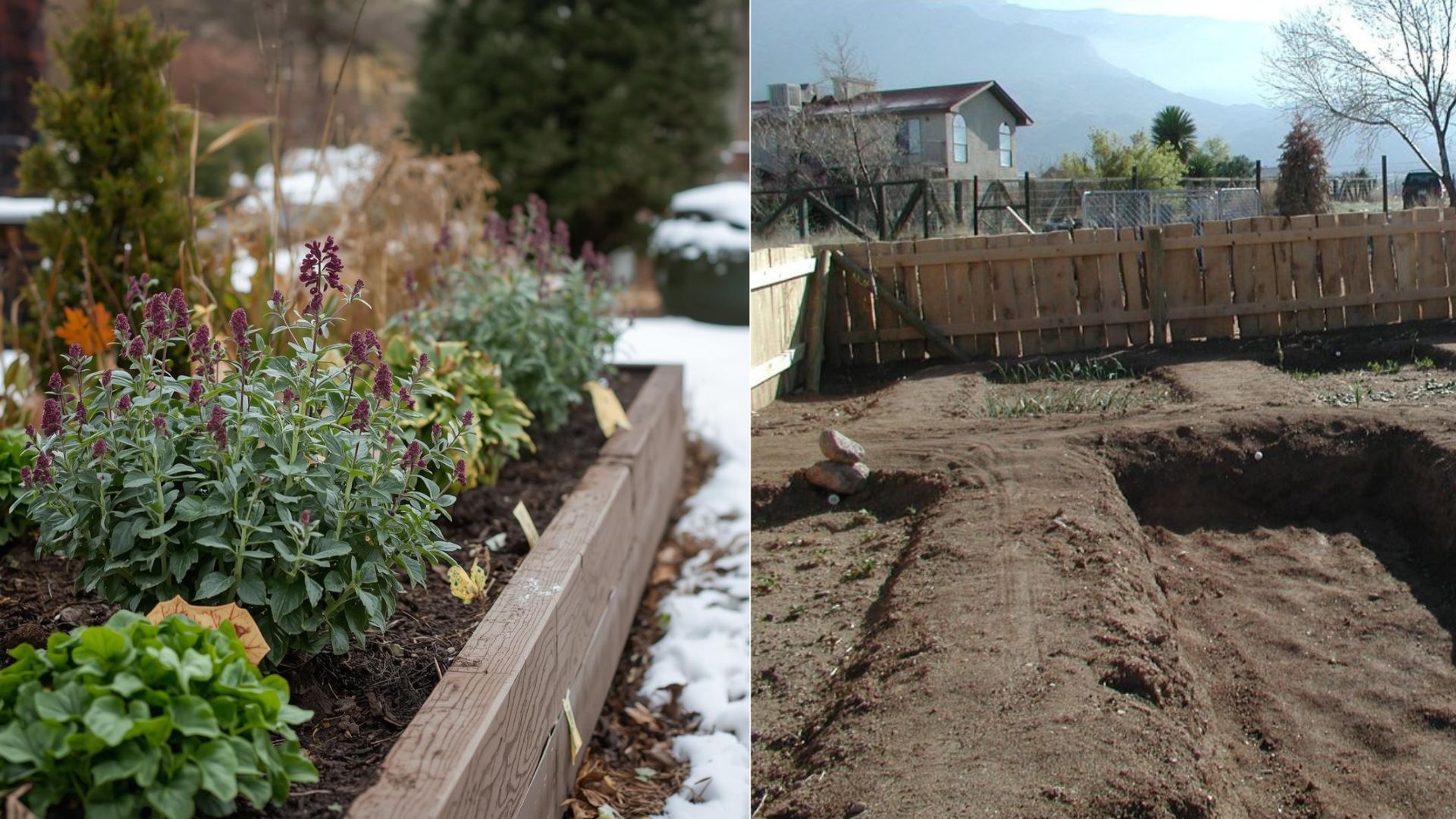
If you live in a wet climate you want to be making sure water can drain off - so build raised beds that will let it go and save the trouble of soggy soil. In dry climates, on the other hand, you want to be storing as much moisture as possible - so use sunken beds that will catch the rain and irrigation water that would otherwise go to waste.
Level beds work best in places with moderate rainfall and good drainage - but if you've got heavy rainfall and bad drainage, it's worth considering raised beds that will lift the roots above the soggy soil. Sunken beds, on the other hand, collect runoff and help to protect the soil from the wind. Proper design of the bed - along with what's going on in the surrounding area (like berms and swales) - can make a real difference to how much water you need to use.
Raised Beds and Mounds for Excess Water
Raised beds are a brilliant way to lift the roots of your plants above the soggy soil - and the air gets in. A basic bed is around 4 feet wide, so it's easy to get in and out of - and 8–12 feet long, with the height depending on the conditions. Cedar, stone or even wood can be used for the frame.
In parts of the UK and the Pacific Northwest where it rains a lot, raised beds are the perfect solution to stop your veggies from getting waterlogged. Just add some coarse compost and wood chips around the bed to slow down the water and help it soak into the soil instead.
Some gardeners use Hugel beds, which are basically just a mound of rotting wood and other organic materials under the soil. This helps the bed to retain water - but the wood can lose its ability to do that if it gets too dry. So Hugel beds are best suited to areas with consistent rainfall.
Sunken Beds for Drought and Water Conservation
Sunken beds are a brilliant idea for places where water is scarce - they collect the rainwater and irrigation water instead of letting it go to waste. They're great for areas where the wind is a problem, too.
Digging a sunken bed at least 18 inches deep gives you room to add compostable materials at the bottom - then fill it up with soil and compost so the bed is about 4 inches below grade. This 'pit composting' method creates rich, water-retentive soil - and if you add a water-catching basin around your plants you can make sure they get all the moisture they need, without any going to waste.
In really dry gardens, sunken beds might only need watering once a week in the peak summer heat - to stop the soil from getting too hard. But be careful not to use sunken beds in areas with high groundwater or frequent flooding.Placing crops that are thirsty drinkers like squash and corn in lower lying areas where it's nice and damp, and drought-tolerant herbs on higher mounds is a good start. Drought-tolerant plants are often hardy local natives that've learned to cope with the local conditions, needing less water and being way less bothered by pests and bad weather.
Managing Too Much Water : Drainage, Diversion and Storage Tricks
When places get hammered with heavy downpours or you get winter flooding, then drainage becomes a priority. The idea is to soak it up, divert it somewhere safe or just get it away from the roots, sheds and foundations - before it becomes a real problem.
Before you go ahead and get involved in any major earthworks or start connecting stuff to the storm drains, check with your local authorities first. Good systems should protect the plants, reduce pollution, trap sediment and prevent soil erosion.
Swales, French Drains and the Basics of Simple Earthworks
Swales are shallow ditches dug along the land's natural slope, which helps to catch the runoff and slow it down so it has a chance to soak into the soil. Building a berm or raised mound on the downhill side to stop the water running off is a good plan, and putting some grass or plants in there will keep the soil stable and improve the water absorption - as well as allowing the swale to collect some of the runoff for later. When you make your berms and swales make sure they can hold all the runoff from a typical storm, and space them out based on how steep the land is, how much water the soil can hold and how much water's going to come down.
Berms should be about four times as wide as they are tall, and have a stable side slope ratio of 2:1 or 3:1 and a spillway to let the water out at the low point - make sure these spillways are well armored with rock or dense veg. French drains on the other hand are just gravel filled trenches with a perforated pipe in them that carry the water away from soggy spots and to someplace safe to discharge it. Don't forget to keep the filter fabric, gravel and outlets clear so it doesn't get clogged up with debris.
Rain Gardens: For Catching That Excess Water
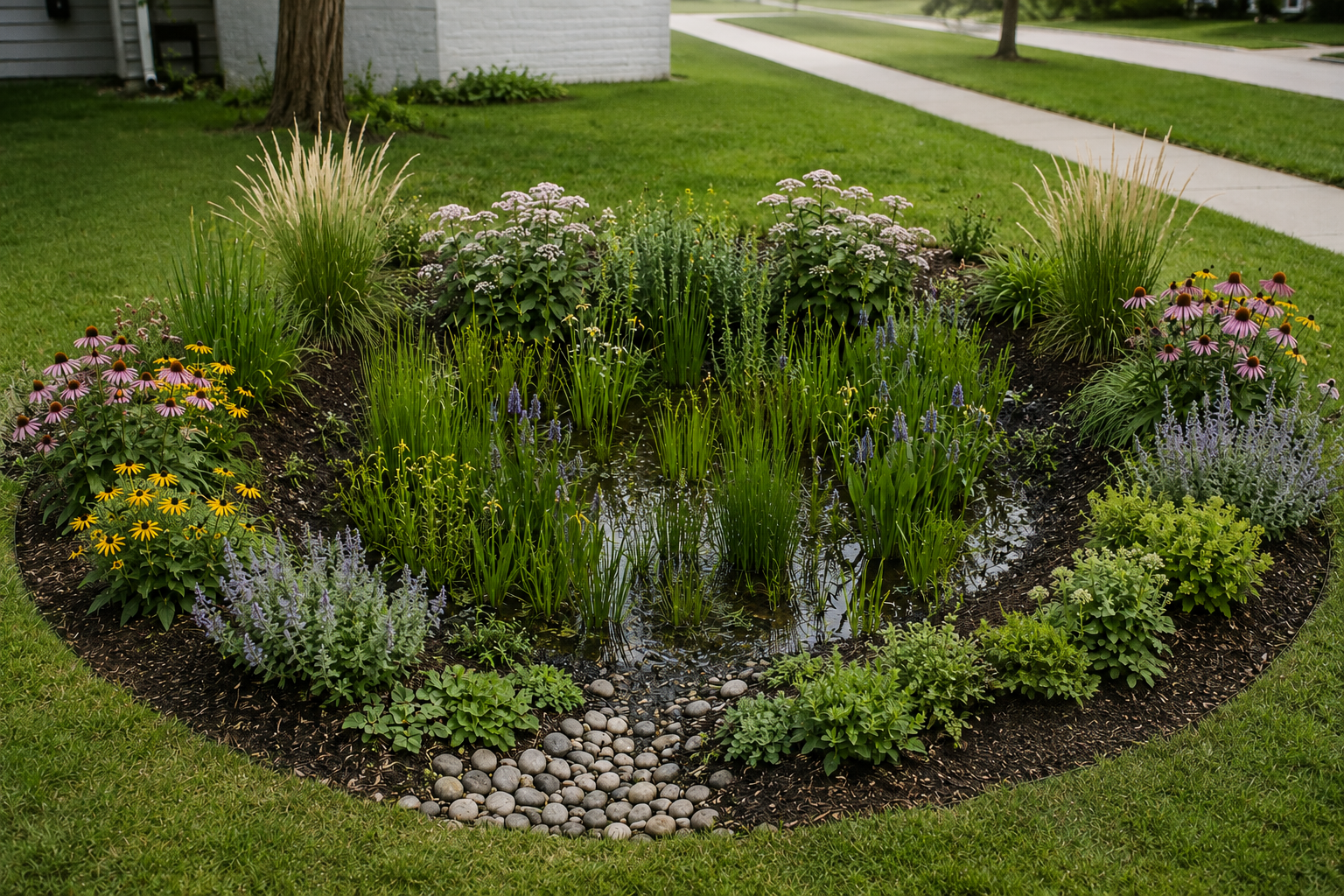
Rain gardens are shallow planting areas - almost like a shallow bowl - that are designed to get all the excess water such as runoff from roofs, driveways or lawns. The idea is to get it to soak into the ground within 48 hours so it doesn't cause flooding and also filters out some of the pollutants. Place them at least 10 feet from buildings, away from septic systems and where there won't be any standing water year round.
You want to put flood-tolerant plants in the basin and some drier plants on the edges, that way the rain garden can maybe protect the neighbouring raised beds and lawn from flooding - and get rid of some of the pollutants before the water reaches the storm drains.
Soaking Up the Excess : Improving Your Soil
Getting some compost, shredded leaves and well-rotted manure into the ground will help clay and compacted soils to absorb more water without turning into a sponge. Breaking up the hardpan with a broadfork or double digging can also improve drainage beneath the beds and help to get air and water getting in.
Having some permanent mulch around the trees and paths can really help to reduce the splash erosion, crusting and runoff - and keep the weeds down too. And plant cover crops like clover or rye which will add some extra roots to get air and water into the soil.
Managing Too Little Water : Saving Every Drop
For places with summer restrictions and water bills going through the roof, the plan is simple: slow down the water loss, store what you can and prioritise young trees, food crops and long-lived shrubs over thirsty lawns.
Water the roots deeply and less often to encourage the plants to grow downwards and make 'em less thirsty. A plan that works is to water once or twice a week at the root zone instead of hosing the whole lawn every day.
Rainwater Harvesting: From Roof to Root Zone
Rainwater harvesting means capturing the roof runoff in some barrels or tanks to use later.
A typical 1,000-sqft roof will get about six hundred gallons from an inch of rain, depending on the losses. The basic idea is to set up some gutters, downspouts, a leaf screen, a first-flush diverter, food-grade barrels, a spigot, and an overflow outlet. Don't forget to keep the tanks sealed against mosquitoes, elevate the barrels so you get a gravity feed and check your local regulations before you get started.
Using Grey Water Safely
Grey water's relatively clean water from the shower or washing machine - but not from the toilet or kitchen sink. Check the local codes before you even think about installing a greywater system, as they vary widely. Don't use any of those harsh detergents or bleach, fabric softener or anything that'll burn the plants. You can direct the laundry water to some mulch basins around the trees and shrubs, but not onto vegetables you eat raw. Get it to soak into the soil within 24 hours, and don't let it pool or flow onto the neighbor's land.
Smart Ways to Irrigate and Mulch
A drip irrigation system is the one that uses water most efficiently, delivering up to 90 % water use efficiency by getting water straight to the roots of the plant and also minimizing the amount of water that gets lost to runoff & evaporation.
Watering the roots is all about applying water directly to the soil where it counts to prevent fungal diseases and minimize how much water gets lost to the air. Do try to water early in the morning so the sun doesn't make all that water disappear quickly, and also so the leaves have time to dry out a bit before nightfall. High winds , dry air, & direct sunlight all make plants use more water than they normally would. In really sunny, high-altitude , arid areas though , many plants even grow well & use less water with the extra shade they get in the afternoons - tomatoes are a good example of this.
Using some mulch on your plants can really help keep the soil moist, keep the roots cool & stop weeds from coming up in the first place. Using 2 to 3 inches of natural mulch like leaves or wood chips around your plants can really increase how well they hold onto their moisture, reduce the amount of water that gets lost to evaporation & also make the soil healthier as the mulch starts to break down.
Planting the right plant in the right spot is a great way to save water by grouping plants that all need the same amount of water together . This thing we call hydrozoning means that you only water your native plants, potted plants, veggies & flowers as much as they really need.
Combining Raised Beds , Sunken Beds & Rain Gardens in One Design
Lots of gardens need a bit of a mix of solutions. On a typical suburban lot you could put your raised veggie beds on the higher ground, then have a permeable path running through the middle down to a small rain garden, & use sunken beds on the lower ground for plants that use lots of water - this is really helpful in places with monsoon climates where it rains something chronic in one season and then dries out completely in another.
Using swales to join all these elements together will help get excess water from the top ground down to planty areas at the bottom instead of just having it all go straight into the drains. Improving the soil with compost & mulch is the bit that will tie the whole thing together . The thing is you want to choose a design that will work for the space you have, how easy it is to get to, the amount of rain you get , & how much time you can spend on maintenance.
Seasonal Adjustments & Maintenance
Give your swales, berms, drains & rain gardens a good once over in the spring & autumn to check for any sediment that's built up, any erosion that's started & any clogged outlets or damaged plants - you might need to clear out leaves from your gutters & rainwater collection system before the wet season.
Try to adjust your watering every month or so based on how much rain you get, what the temperature is, how strong the wind is & how your plants are looking - one trick is to just stick your finger in the soil 2 inches deep & see if it's dry or not before you decide whether to water or not. When it gets really hot & dry you should also keep an eye out for pests like mites & aphids, try to get your plants stronger & healthy again & only use targeted sprays when you really need to so you don't waste too much water.
Environmental & Community Benefits
Having a healthy garden with good water management is great for the whole watershed - rain gardens & swales reduce the amount of water that gets washed straight into the storm drains & reduce flooding & pollution downstream.
Saving water by harvesting rainwater & using it really efficiently will also help keep community supplies going even when there's a drought. Rain gardens that attract pollinators, healthy soil, cooler microclimates & productive food beds will also show all your neighbors & the kids at school that even small gardens can be a real example of how to deal with climate change.
FAQ : Practical Questions About Garden Water Management
How can I tell if my garden has too much or not enough water ?
Just try to get a feel for the soil - if it's yellowish & smells bad & there's puddles everywhere then you might have too much water - but if it's all dry & crispy & hard as a rock then you probably need to water it more.
Puddles that last more than 24 hours or your plants looking all yellow & wilted are signs you need to fix your drainage - but if you can stick your finger in the soil & it's all hard & dry then you probably need to give your plants a good watering.
Can I convert an old flat garden into raised or sunken beds ?
Yeah you can. To try it out for the first time why not just convert one or two beds into raised or sunken beds - to do it properly you just have to add some soil & edging for raised beds or dig the ground down for sunken beds where it's not going to flood too much & then use the soil you move to create some little mounds or banks.
Are sunken beds safe in places with a lot of winter rain ?
Generally not. But if you can dig your sunken beds really deep - 18 inches or more - then they might be alright - but if you live in a place with really heavy rain then you might be better off using shallower basins or sunken beds with good drainage or just raised beds with really good drainage.
What is the best way to start harvesting rainwater on a small budget ?
Start by just putting two or three water barrels , 50 to 60 gallons each , under one of your downspouts - make sure you put some screens on to keep the leaves out & that you can get the lids on tight - you can even just use some blocks or lumber to make a little platform for the barrels to sit on so you can use gravity to help fill up your hose & watering can.
“This article was initially generated using Surfer SEO’s AI‑assisted content creation tools, which provided keyword research, structure guidance, and draft content based on top‑ranking pages. The draft was then extensively edited for tone, style, and factual accuracy, with additional human‑written sections added to enhance depth and context.”


