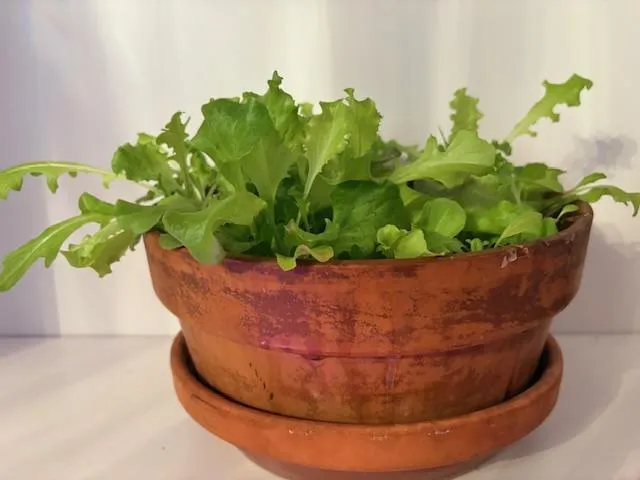
Top 10 Fast Growing Vegetables for Quick Harvests in Your Garden
Fast Growing Vegetables: From Seed to Harvest in Record Time
Introduction to Fast Maturing Vegetables
Hello friends—welcome to the beautiful world of quick harvests and impatient hearts. Pull up a chair and let's talk about something that makes every gardener's soul sing: speed. If you're someone who dreams of filling your plate with homegrown goodness but finds yourself tapping your fingers through long summer waits, then fast maturing vegetables are about to become your dearest companions in the garden.
These remarkable crops are perfect for anyone working within life's real constraints—whether you're dancing with a short growing season, gardening in the tender days of early spring, squeezing hope into late summer, or simply making the most of whatever small space calls to you. Think of leafy greens like lettuce and spinach as your garden's generous friends, often ready to grace your table in as little as 20 days, transforming simple salads into celebrations of what you've grown with your own hands. Cherry tomatoes, green onions, and radishes follow close behind as standout companions, offering their delicious gifts in around 60 days or less.
When you choose to focus on fast maturing vegetables, you're choosing abundance over waiting—you can dance through multiple growing seasons, keep your harvests flowing like a gentle stream, and honor every precious inch of your garden space, no matter how early or late you begin this journey. With the right plant friends by your side, you'll find yourself savoring your own vegetables from spring's first whisper through summer's full embrace, and every salad bowl becomes a quiet celebration of your connection to the earth.
Key Takeaways
Many leafy greens and root crops offer their gifts in just 20–40 days (arugula, radishes, baby lettuce, mizuna, spinach), while the most generous tomatoes, peppers, and cucumbers typically share their bounty in 50–70 days from transplant.
The most eager crops you can welcome into your life include sprouts and microgreens (7–21 days), arugula (25–30 days), French breakfast radishes (25–30 days), baby lettuce mixes (25–30 days), and baby spinach (20–30 days).
Choosing varieties with intention becomes your secret to speed: early cherry tomatoes like 'Sun Gold' or 'Stupice', compact peppers like 'Hungarian Wax', and pickling cucumbers like 'Early Fortune' or 'Marketmore 76' all offer their fruits sooner than their larger, more patient relatives.
Quick growth flourishes with warm soil, at least 6 hours of gentle sun, rich soil nourished with compost, and consistent, loving moisture—when conditions aren't quite right, those "days to harvest" numbers on seed packets can stretch like afternoon shadows.
By thoughtfully staggering sowings every 1–3 weeks and weaving together ultra-fast greens with quicker-fruiting tomatoes, peppers, and cucumbers, you can feast from your plot from about day 10 through summer's final bow.
Pull up a chair and let me share something that stirs excitement in every gardener's heart: the beautiful art of speed. Whether you're working with a brief season in cold climates, a small space that calls out from your balcony, or simply carrying an eager heart that longs to grow your own food, understanding which vegetables race from seed to harvest can transform your garden from a patient waiting game into a continuous, joyful feast.
Here's what I've learned: some vegetables are ready to nourish you in weeks rather than months. Others—even beloved crops like tomatoes—can surprise you with their generosity when you offer them what they truly need. Let's walk this path together, exploring what makes vegetables fast, which crops win the gentle race, and how to plan for the shortest possible journey from planting to plate.
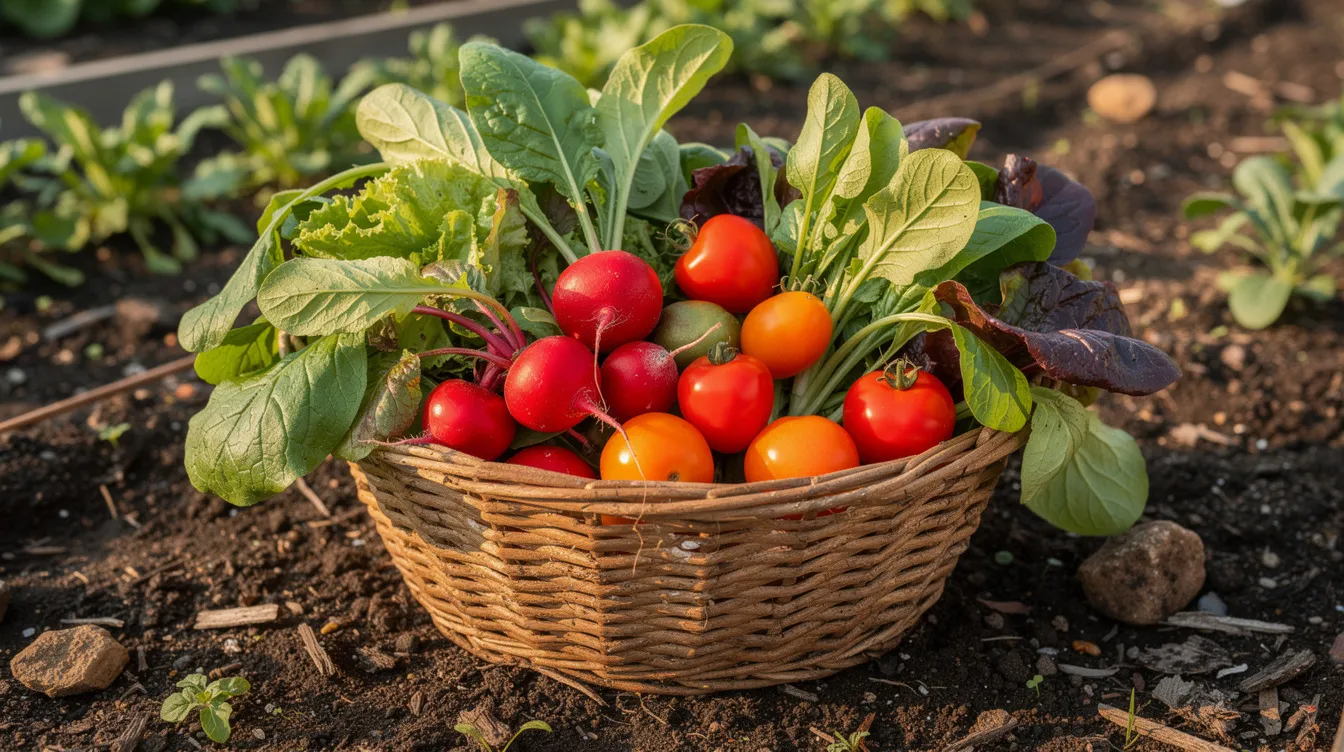
What Makes a Vegetable "Fast Growing"?
When we speak of fast growing vegetables, we're celebrating crops that offer their first harvest in roughly 60 days or less from sowing—or about 40–60 days from when you tenderly transplant seedlings into the earth. That number you see on seed packets, "days to maturity," represents the time when a crop reaches harvestable abundance under conditions filled with love and attention.
Here's a fundamental truth that will serve you well: leafy greens and root crops naturally move faster than fruiting vegetables. Why? They don't need to pause for the beautiful dance of flowering, pollination, and fruit ripening. Arugula simply unfolds its leaves toward the sun. Radishes quietly swell beneath the soil. But tomatoes must first develop flowers, set fruit, and then wait for that fruit to ripen—a process that asks for considerably more time and energy from the plant.
Thinking in gentle thresholds helps us understand what "fast" truly means:
Ultra-fast (7–21 days): Sprouts and microgreens harvested as tender babies at their most delicate stages
Very fast (20–35 days): Baby leafy greens like arugula, mizuna, spinach, and lettuce
Fast (35–60 days): Small roots like radishes, baby carrots, and salad turnips
Moderate-quick (50–75 days from transplant): Compact fruiting varieties like cherry tomatoes, early peppers, and pickling cucumbers
Keep close to your heart that those "days to maturity" numbers assume loving conditions—soil temperatures dancing between 55–70°F, 6–8 hours of direct sunlight, and consistent, caring moisture. Cold soil below 50°F or too much shade can slow crops by one to three weeks, like a garden taking a gentle pause. Lower soil temperatures can also delay the time it takes for seeds to wake up and germinate, which in turn slows the overall journey toward harvest. Your native soil matters deeply too; plants struggle in compacted or nutrient-poor ground, much like we struggle when we don't have what we need to thrive.
Ultra-Fast Crops: 7–21 Days From Sowing
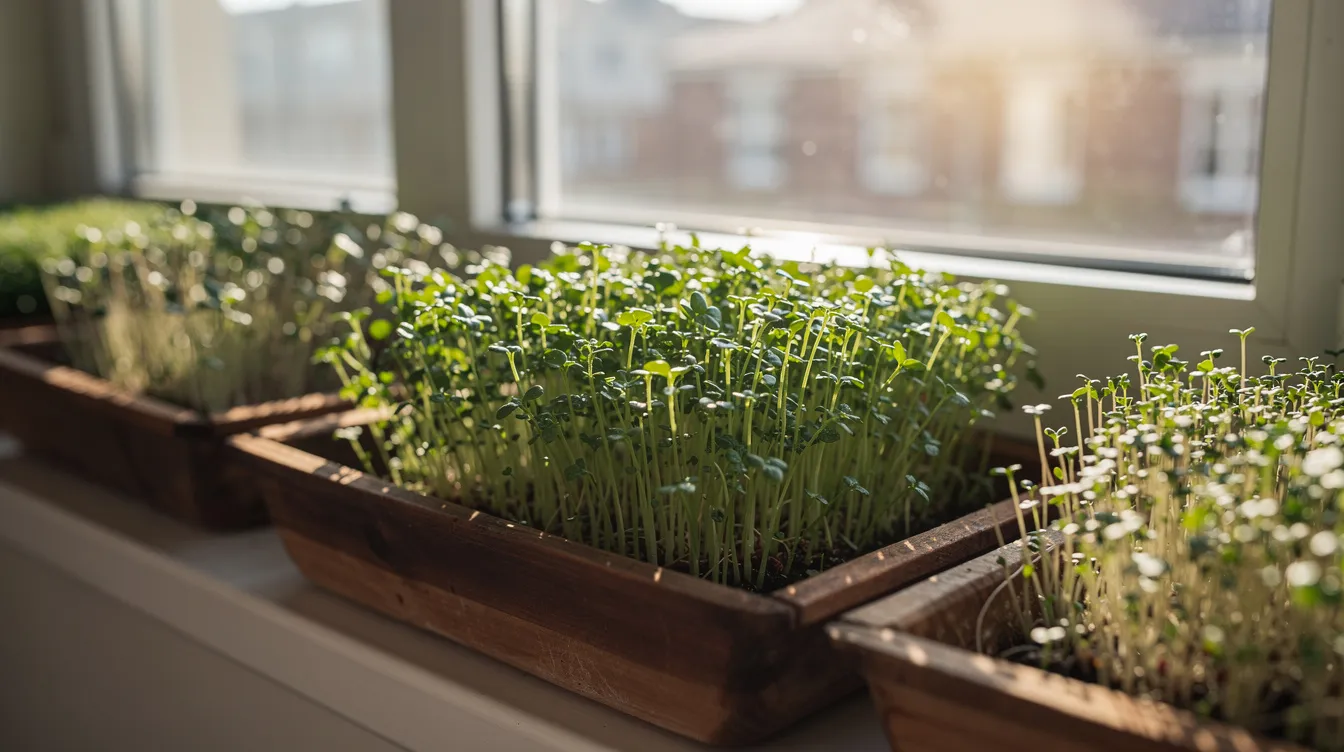
If patience isn't your strongest gift—or winter has you yearning for green, living things—sprouts and microgreens are the absolute fastest "vegetables" you can welcome into your life. These are harvested young, within one to three weeks, making them perfect companions for windowsills, small spaces, and those gray months when outdoor gardens rest peacefully.
Sprouts like alfalfa, broccoli, radish, mung bean, and lentil grow without soil in simple jars or trays, offering a beautifully straightforward process that feels like gentle magic. The method is elegantly simple: soak seeds for 8–12 hours, then rinse them twice daily for 4–7 days with the care you'd show a beloved friend. Harvest when each seed has sprouted a small root and the first leaves appear like tiny green flags of victory. Broccoli sprouts deserve a special mention here—they contain sulforaphane at levels 10–100 times higher per gram than mature broccoli plants, making them nutritional powerhouses wrapped in miniature packages.
Microgreens invite you to take this journey slightly further. Grown in shallow trays filled with sterile potting mix and cut at 1–3 inches tall in 7–21 days, they offer concentrated flavors and antioxidants that make perfect garnishes for salads, soups, and sandwiches. They need bright light—12–16 hours daily from a south-facing window or gentle LED grow lights—but ask for very little space in return. A single 10x20 tray can offer you 1–2 pounds of delicious greens, like a small miracle unfolding on your counter.
For those beginning this beautiful journey and wanting the quickest results, consider welcoming these friends into your space:
Radish microgreens: Ready in about 7–10 days with a pleasant, peppery spark
Pea shoots: Harvest in 10–14 days for sweet, tender greens that taste like spring
Sunflower shoots: Also 10–14 days, offering a nutty crunch that satisfies
Mixed salad blends: Typically ready in 10–14 days, like a diverse community in miniature
These crops provide vitamins and intense flavor, though they won't fill your salad bowl with the substantial calories that mature vegetables offer. Think of them as flavor enhancers and nutrition boosters while you patiently await larger harvests—like the opening notes of a symphony that's just beginning.
Fastest Leafy Greens: 20–35 Days
Leafy greens are usually the first true vegetables you can harvest from an outdoor bed, often in under a month when grown for baby leaves. If you've ever wondered when you'll actually taste something grown by your own hands, greens answer that question with gentle grace.
Arugula stands as one of the fastest true vegetables you can grow outdoors, like a reliable friend who's always there when you need them. Expect to harvest baby leaves in about 25–30 days, with larger leaves ready by 40 days. This peppery green tolerates both light frost (down to about 25°F) and partial shade, making it wonderfully forgiving for those just beginning their gardening journey. Varieties like 'Astro' offer a milder flavor and resist bolting longer in heat, while wild rocket types bring a stronger, more assertive presence to your plate. Space plants 4–6 inches apart and embrace cut-and-come-again harvesting—gently shear outer leaves at 3–4 inches and the plant will keep offering its gifts for 3–5 cuts over 6–8 weeks.
Mizuna, a Japanese mustard green, delivers frilly leaves with a mild peppery whisper in 20–30 days for baby leaves (40–50 days for full-size). Both green and purple cultivars exist, and this generous green handles heat up to 80°F better than most lettuce varieties. It's wonderful for both fresh salads and gentle stir fries, and you can broadcast seeds thickly, then thin to 6 inches for continuous harvesting that feels like abundance flowing.
Baby lettuce mixes—spring mix, mesclun, or beautiful blends like 'Rocky Top'—can be cut in 25–30 days when you sow seeds thickly and harvest with scissors at 3–4 inches tall. This technique allows 3–4 harvests before plants bolt when heat rises above 70°F. If you want to create a continuous supply of lettuce joy, replant every 2–3 weeks through the cool season like a gentle rhythm.
Spinach offers you baby leaves about 20–30 days after sowing in cool weather, like nature's own tender greeting. Varieties like 'Bloomsdale Long Standing' or 'Space' work beautifully, though larger leaves take 40–50 days to develop their full presence. Spinach prefers temperatures between 40–70°F and bolts quickly when heat rises above 75°F, so plan for early spring or fall plantings when the weather feels gentle and welcoming.
All these greens prefer cool temperatures, rich soil nourished with compost, and consistent moisture given with care. Let the soil dry out or temperatures spike, and you'll find bitter, tough leaves instead of the tender sweetness your heart is after.
Speedy Root Crops: 25–45 Days
Some root crops surprise us with their speed, especially when harvested young and tender. They're perfect for filling gaps between slower crops or tucking into corners of your garden where larger plants won't fit—like finding unexpected pockets of possibility.
Radishes are the benchmark for speed among root crops, reliable friends that rarely disappoint. French breakfast and small globe types mature in about 25–30 days in cool soil (45–85°F optimal), asking only for simple care. Space them about a finger-width apart—roughly 1–2 inches—in loose, evenly moist beds that feel soft beneath your hands. The secret to crisp, spicy roots rather than woody disappointments lies in steady moisture and timely harvest. Don't wait too long or they'll turn tough and bitter. As a gentle bonus, radish greens are edible at 21 days if you want an even quicker harvest. Note that daikon and winter radishes move more slowly (50–70 days) and don't belong in our "fastest" celebration.
Hakurei salad turnips (and similar fast salad turnip varieties) offer sweet, crisp white roots ready in about 30–40 days, like small treasures hidden beneath the soil. Both the roots and the greens are delicious—a true two-for-one gift from nature. They prefer early spring or late summer planting in fertile soil, thinned to about 4 inches apart with gentle care. These turnips dance past standard turnips by a couple of weeks.
Baby carrots ask for more patience than radishes, but you can still harvest some "mini" types like 'Paris Market' or 'Tonda di Parigi' in 35–50 days—significantly faster than full-size carrots, which often take 60–75 days. Carrots need loose, stone-free soil (sandy loam feels ideal) and consistent moisture through their 14–21 day germination period. Rocks or heavy clay lead to forked, stunted roots that struggle to find their way.
Beets offer a beautiful fast-harvest secret: you can pick baby greens in 25–30 days, with small roots forming by 45–50 days. Varieties like 'Early Wonder' (48 days) give you edible greens quickly while roots develop quietly beneath. If you're seeking speed, focus on the leaf harvest first and consider the roots a wonderful bonus gift.
Quick-Fruiting Favorites: Tomatoes, Peppers & Cucumbers
Now we come to the crops that make every gardener's heart skip: tomatoes, peppers, and cucumbers. These fruiting vegetables take longer than greens or roots because plants must pause for the beautiful dance of flowering, pollination, and fruit ripening. Days to first harvest are typically counted from transplant, not from sowing seeds indoors—an important distinction that sometimes catches gardeners by surprise.
Tomatoes vary dramatically based on fruit size and plant type, like personalities in a garden family. Cherry tomatoes and small salad types generally ripen sooner than large slicers or beefsteaks. Determinate tomatoes (bush types that set fruit all at once) tend to produce earlier than indeterminate tomatoes (vining types that fruit continuously). For the fastest harvest, seek out compact, early-producing varieties that understand your eagerness.
Peppers follow a similar gentle pattern: hot peppers and thin-walled types usually color and ripen faster than large, blocky bells. All peppers need warm soil (65°F or higher) and are typically started indoors 8–10 weeks before last frost date. In cold climates, they may need protection from cloches or low tunnels to actually reach their promised maturity dates.
Cucumbers are among the quickest summer fruiting crops, like eager students ready to share their knowledge. Bush and pickling types mature faster than very long slicing varieties. They're usually direct-sown after soil reaches about 65°F because they dislike root disturbance, though you can start them 2–4 weeks indoors if you transplant with gentle, caring hands.
Typical "fast" timelines for each friend:
Tomatoes: About 50–70 days from transplant for earliest cherries
Peppers: About 60–75 days from transplant for some hot and early types
Cucumbers: About 50–65 days from sowing for early varieties
Fastest Tomato Varieties for Early Harvests
If you want the earliest tomatoes gracing your table, prioritize early, compact cherry and determinate types. Start seedlings indoors 6–8 weeks before your last spring frost date to give them a loving head start.
Here are several fast maturing varieties worth seeking in seed catalogs:
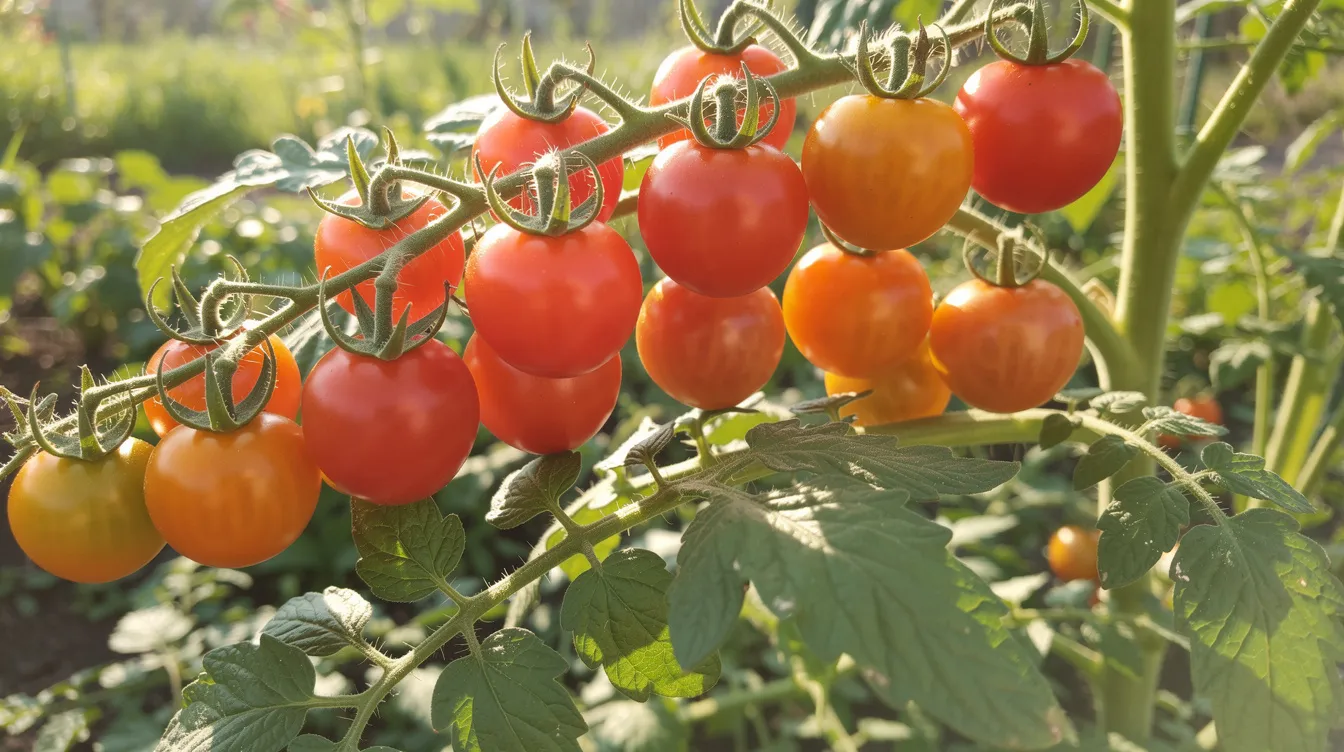
'Sun Gold' (about 55–60 days): Orange cherry, exceptionally sweet, technically indeterminate but begins producing early and prolifically like a generous friend
'Sweet 100' or 'Supersweet 100' (about 60–65 days): Red cherry with abundant yields on long, graceful trusses
'Stupice' (about 60 days): Small salad tomato, cold-tolerant, wonderful for short growing seasons
'Early Girl' (about 50–60 days): Popular early slicer, reliable across many regions like a trusted companion
'Glacier' or 'Siberian' (about 55–60 days): Bred specifically for cool, short seasons with patient love
Remember that the days listed on packets assume warm, loving conditions. In cool climates, expect first ripe fruit 5–10 days later than advertised. To encourage faster growth, use black plastic mulch to warm soil, plant in containers on sunny patios, choose sturdy transplants rather than starting late, and consider grafted tomatoes for extra vigor—like giving your plants the best possible foundation.
Fastest Pepper Varieties for Short Seasons
Most bell peppers need 75–90+ days to reach full color, which can challenge gardeners in cold climates. However, some smaller or thinner-walled types start producing usable green or colored peppers in 60–75 days from transplant.
Quick pepper varieties to welcome into your garden:
'Hungarian Wax' (about 58–70 days): Yellow ripening to red, wonderful for pickling and fresh use
'Early Jalapeño' (about 60–65 days): Compact plants, reliable performer in cooler regions
'Cayenne' types (around 65–75 days): Long, thin hot peppers that dry beautifully for winter use
'Ace' or 'King of the North' (around 65–75 days): Among the earliest bell-type peppers, good choices for northern gardens
Here's a gentle tip: you can harvest green peppers 1–2 weeks before full color, effectively shortening your time to first usable harvest. If you don't need red or yellow peppers specifically, picking green extends your season like a thoughtful compromise.
Peppers need strong indoor starts, warm nights above 55°F, and protection in cool regions. Row covers, cloches, or cold frames can make the difference between reaching maturity dates and watching your plants struggle against the elements.
Fastest Cucumber Varieties for Early Pickles and Slicers
Cucumbers are one of the quickest fruiting summer crops, often yielding in under 60 days from direct sowing in warm soil. This makes beautiful sense for gardeners wanting early pickles or fresh slicers while they wait patiently for slower crops.
Early and reliable cucumber varieties to befriend:
'Early Fortune' or similar early pickling types (around 50–55 days): Perfect for small, crisp pickles that taste like summer
'Marketmore 76' (about 58–65 days): Classic dark-green slicer with excellent disease resistance, like a steady friend
'Spacemaster 80' (about 55–60 days): Compact bush type ideal for containers and small space gardens
'Bush Champion' (around 55–60 days): Short vines that work beautifully where space feels precious
Bush and pickling cucumbers generally set fruit slightly sooner than long English or burpless types, which may need 65–75 days.
For the earliest harvests, sow after soil reaches about 65°F, use row covers for warmth, and trellis vines to keep fruit off cold, wet soil. Trellising also improves air circulation, reducing disease pressure and making harvest easier—like creating the best possible conditions for success.
Choosing the Right Varieties for Your Climate
Selecting the best fast-maturing vegetables for your garden begins with understanding your local climate and growing conditions with gentle attention. In cold climates or regions with a very short season, it's wonderful to choose varieties that can handle cool temperatures and mature quickly—think determinate tomatoes, which set fruit all at once and beat the frost, or baby plants like bok choy and snow peas that actually thrive in cooler weather. For the fastest results, look for vegetables that reach harvest in under 60 days, and explore seed catalogs for varieties bred specifically for short seasons or your region. Indeterminate tomatoes may be tempting, but they often need a longer season to produce a full crop, so embrace determinate types if frost feels like a concern. Don't forget about fast maturing favorites like snow peas, bok choy, and other early-season vegetables that can be sown as soon as the soil can be worked. By thoughtfully matching your plant choices to your climate and using resources like seed catalogs, you'll set yourself up for a delicious, abundant harvest—even when the season feels brief.
Planning for the Shortest Time to Harvest
To truly minimize days from planting to plate, weave together fast maturing vegetables with thoughtful timing and techniques like starting indoors, succession planting, and using season extension tools—like creating a gentle rhythm that supports abundance.
Seedlings vs. Direct Sowing
Seedlings vs. direct sowing: Transplanting seedlings of tomatoes, peppers, cucumbers, and brassicas can gift you 2–4 weeks compared to direct sowing outdoors. However, root crops (radishes, carrots, turnips), peas (including snow peas), and beans grow best when you sow seeds directly—they prefer not to have their roots disturbed.
Seasonal Timing
Seasonal timing: Cool-loving crops like lettuce, spinach, radishes, and peas grow fastest in early spring or fall, when soil temperatures stay between 40–70°F. Warmth-lovers like tomatoes, peppers, cucumbers, zucchini, and beans need late spring or summer with soil above 60–65°F. Planting at the wrong season doesn't just slow growth—it can prevent harvest entirely as plants bolt or refuse to set fruit, like trying to force a conversation at the wrong time.
In regions with a short growing season, it's important to select fast growing vegetables and varieties that can mature before the first frost arrives. For example, in northern climates, long day onions are the type you want to grow, as they are adapted to the longer daylight hours and can mature before the first frost touches your garden.
Succession Planting
Succession planting: Instead of one massive planting that produces abundance followed by emptiness, sow small patches every 1–3 weeks. This works beautifully for arugula, lettuce mixes, radishes, baby carrots, and bush beans. You'll enjoy continuous quick harvests through different growing seasons rather than feast-or-famine—like creating a gentle, steady flow of nourishment.
Growing Conditions
Growing conditions: You can genuinely encourage faster growth by using raised beds or containers filled with rich soil, adding compost before planting, watering deeply but regularly (about 1 inch per week), and ensuring at least 6 hours of direct sun daily. Black plastic or fabric mulch raises soil temperature by 5–10°F, which can accelerate germination by 2–5 days for warm-season crops—like wrapping your seeds in gentle warmth.
Common Challenges and Solutions
Gardening in a short growing season comes with its own gentle challenges, but with thoughtful strategies, you can embrace them and enjoy a rewarding harvest. Frost often becomes the biggest concern, especially in early spring or fall, so choose frost-resistant varieties and protect tender plants with row covers or cold frames when temperatures dip low. Limited space can also feel challenging, but compact crops like swiss chard and brussels sprouts are perfect for creating more harvest in small beds or containers—like finding abundance in unexpected places. If your native soil feels less than ideal, boost fertility and structure by mixing in high-quality potting mix or plenty of organic matter—healthy soil becomes the foundation for fast, vigorous growth. By gently anticipating these common obstacles and taking loving, proactive steps, you'll make the most of your season, maximize your space, and enjoy a steady supply of fresh, homegrown vegetables, no matter what gentle challenges your garden shares with you.
Putting It All Together: Sample 60-Day Fast Harvest Plan
Let's walk through a beautiful example showing how to weave together ultra-fast greens, roots, and quick-fruiting crops to start harvesting in under two weeks and continue through day 60 and beyond—like creating a symphony of abundance.
Imagine it's early spring in a temperate climate, and you have a small raised bed—say, 4x8 feet of possibility. On day one, plant arugula, mizuna, spring mix lettuce, and radishes directly in the bed with loving hands. At the same time, start tomato and pepper seeds indoors under lights or near a sunny window. If you're feeling adventurous, set up a tray of microgreens on that same windowsill—like creating multiple streams of abundance.
Days 7–14: Microgreens Ready
Days 7–14: Your microgreens are ready to cut, like tiny green gifts. Snip them for garnishes and salads while the outdoor bed continues its quiet growth. Those radish microgreens and pea shoots make even a simple sandwich feel like a garden feast.
Days 20–30: First Leafy Greens and Radishes
Days 20–30: Head outside and start cutting individual leaves of baby arugula, mizuna, and spring mix lettuce with gentle scissors. Pull your first French breakfast radishes—they should be crisp, peppery, and deeply satisfying. Baby spinach leaves are ready if you planted that beautiful crop. Your salad bowl overflows with food you've grown with your own hands.
Days 35–45: Replanting and Seedling Prep
Days 35–45: The radishes have cleared space in your bed, like making room for the next chapter. Sow fast carrots and salad turnips in those vacated spots. Begin hardening off your tomato, pepper, and cucumber seedlings outdoors, bringing them out for a few hours daily to gently acclimate before your last frost date passes. Some gardeners start zucchini seeds indoors now too, adding to the growing anticipation.
Days 50–60: Transplanting and Early Harvests
Days 50–60: After your frost date, transplant those hardened seedlings with careful, loving hands. Early cucumber varieties begin producing, and the first cherry tomatoes from varieties like 'Sun Gold' or 'Stupice' start ripening to that perfect color. Meanwhile, your second planting of greens and roots keeps the harvest flowing like a gentle stream. Swiss chard, kale, and bok choy planted a few weeks back are now ready for harvesting. Bok choi leaves make excellent additions to stir fries, adding fresh flavor to warm meals.
This timeline feels flexible and forgiving. If you garden in cold climates, push dates back by 1–3 weeks and use row covers or cold frames like gentle protection. In warmer zones, you might start even earlier in spring or focus on fall plantings when summer heat subsides. Snow peas can fit beautifully into early spots where frost allows. Even brussel sprouts and broccoli can be started in late summer for fall harvest.
The beauty of this approach: you're eating from your garden almost immediately, and you never face that long, discouraging wait with nothing to show for your care and attention. You don't need years of experience or perfect conditions—just fast-maturing varieties and gentle planning.
FAQ
What are the absolute fastest vegetables I can grow from seed?
The very fastest are sprouts (4–7 days) and microgreens (7–21 days), which you can grow year-round indoors with minimal equipment—like having a tiny garden that never sleeps. For outdoor gardens, arugula, mizuna, spring mix lettuce, baby spinach, and French breakfast radishes follow close behind, all offering their gifts in roughly 20–30 days under loving conditions. These crops let you taste success quickly and build confidence for longer-season plants.
Can I grow fast vegetables indoors or on a balcony?
Absolutely, and it's often more rewarding than people expect. Many fast crops thrive in containers and indoor setups, like bringing the garden inside. Microgreens, lettuce mixes, arugula, spinach, and radishes (in pots at least 6 inches deep) do beautifully near a sunny window or under grow lights. Compact cherry tomatoes, bush cucumbers, and small peppers can also flourish indoors if you provide at least 4–6 hours of direct light (or equivalent LED grow lights) and quality potting mix. One plant of a bush cucumber or patio tomato can yield surprisingly well—like having a generous friend in a small space.
How can I speed up slow vegetables like big tomatoes or winter squash?
You can't change genetics, but you can work with them lovingly. Choose earlier-maturing varieties—look for lower days-to-maturity numbers in seed catalogs. Start seeds indoors 6–8 weeks before last frost. Plant into soil warmed using black plastic or fabric mulch. Use cloches, row covers, or low tunnels for extra warmth and protection. Prune indeterminate tomatoes and trellis plants to direct energy into fruiting rather than sprawling. That said, large heirloom beefsteak tomatoes and winter squash will almost always move more slowly than cherry tomatoes and summer squash—if speed matters most, save seeds from fast varieties and choose accordingly.
Do fast growing vegetables have less flavor or nutrition?
Fast growth usually doesn't reduce nutrition—in fact, it often enhances it. Harvested young leaves and sprouts can be more nutrient-dense per gram than mature plants. Young spinach, for example, contains higher concentrations of folate than fully mature leaves. Flavor depends more on variety selection, soil health, and consistent watering than on how many days the plant takes to reach harvest. Fast crops grown with care taste delicious—sometimes even better than larger versions left too long in the ground.
How often should I fertilize fast growing vegetables?
Mix compost into beds before planting—this provides a foundation of slow-release nutrients like a gentle, ongoing gift. For hungry, fast-growing leafy greens, apply a mild, balanced liquid fertilizer every 1–2 weeks with loving attention. Root crops like radishes, carrots, and turnips need less nitrogen; too much encourages lush tops and small roots. Always follow label instructions for any fertilizer, and remember that more isn't always better—like any relationship, balance matters. Healthy soil amended with compost often needs little supplemental feeding for a short-season crop.a short-season crop.


