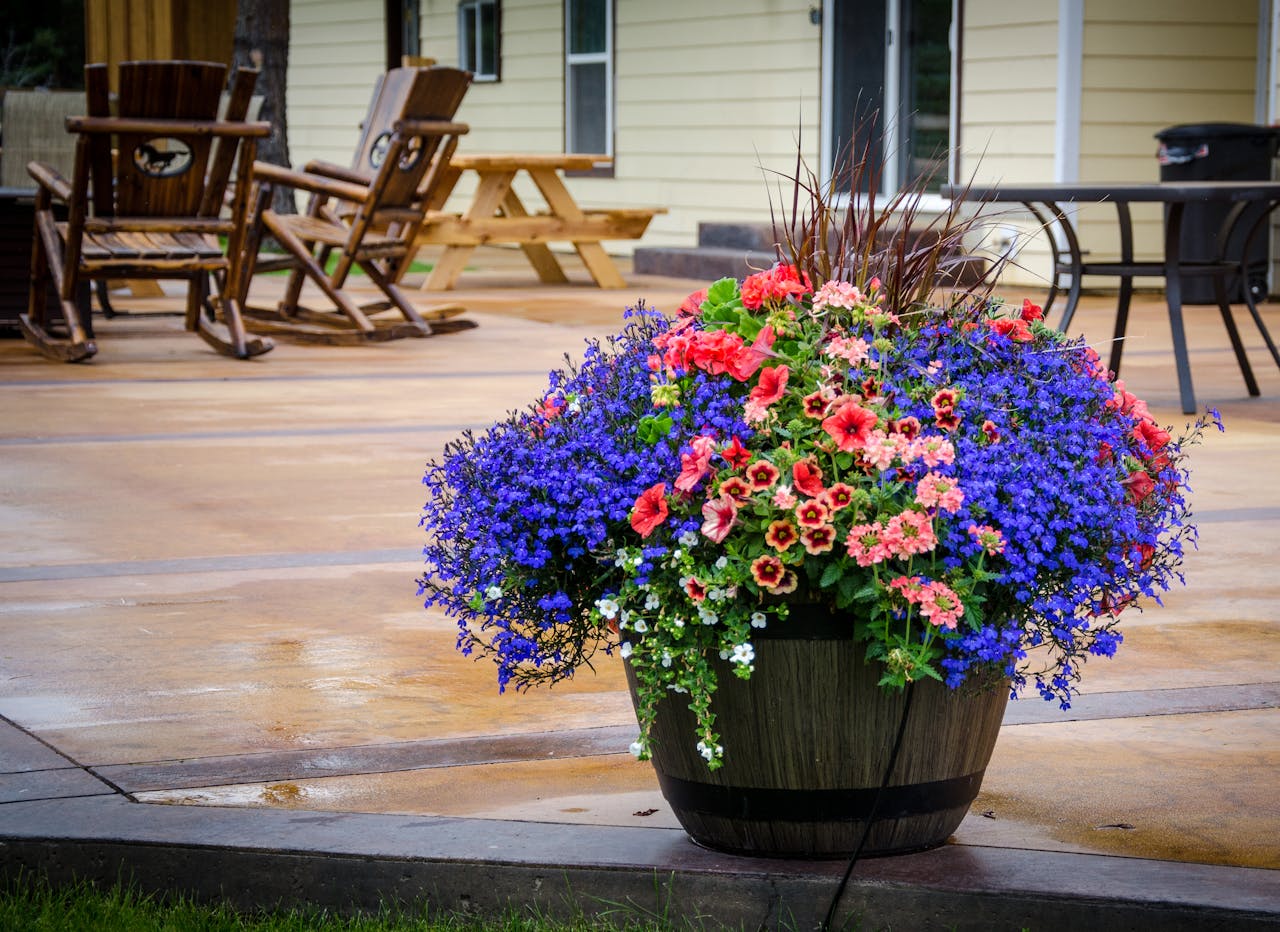
Effortless Container Gardening
Effortless Container Gardening: Tips for a Flourishing Patio Garden
Want to grow your own plants but lack garden space? Container gardening allows you to cultivate everything from flowers to vegetables on your patio, balcony, or even indoors. This guide will walk you through the basics, from choosing containers to selecting the perfect plants for your space.
Key Takeaways
Container gardening is a fun and versatile way to grow plants in small spaces, adding color and life to your patio or balcony!
Choosing the right containers, soil mix, and plants is key for a thriving container garden that flourishes and offers plenty of fresh produce.
Get creative with your designs and maintenance routines to maximize your patio garden’s potential, ensuring year-round enjoyment of your own homegrown delights!
The Basics of Container Gardening
Container gardening is a versatile and accessible way to grow plants, ideal for patios, balconies, or even indoors. Perfect for those with limited yard space, it suits patio homes and apartments with balconies. Container gardening is perfect for anyone wanting to exercise their green thumb, whether you're a beginner or an experienced gardener. This gardening method not only brings life and color to your outdoor spaces but also adds a touch of nature to your everyday environment.
One of the greatest joys of container gardening is the visual interest it adds. Imagine colorful flowers, fragrant herbs, and vibrant vegetables all thriving together in harmony. With container gardening, you can curate all the plants you love, creating a personalized and vibrant collection that reflects your style. It’s fun, easy, and immensely rewarding! Your patio garden can provide fresh produce, inspire creativity, and allow you to witness the rapid growth of seedlings right at your doorstep. A deck garden can transform even a small deck or patio into a lush, functional garden space.
Starting a patio vegetable garden is straightforward:
Find a sunny spot
Gather some containers
Get good potting soil
Choose your vegetables
You can even mix flowers, vegetables, and herbs to create a multi-functional and beautiful patio garden. With container gardening, the possibilities are endless! Container gardens can also serve as focal points that draw attention and help screen unsightly areas in your outdoor space.
Choosing the Right Containers
The right containers are crucial for a successful container garden. Choosing great planters and the right soil is essential for healthy, thriving plants. Important considerations include:
Larger containers provide ample space for roots to develop, enhancing growth and health.
Containers should be at least 12 inches wide for proper plant growth.
Containers with drainage holes prevent waterlogging, which can lead to root rot.
Always consider the size and style of your containers to match your gardening needs and aesthetic preferences. Container care is essential for maintaining the health of your plants.
You can even have your whole garden in one large container, selecting plants based on their preference for sun or shade to create a successful patio garden.
Different materials offer various benefits. Plastic pots are lightweight and affordable, making them an excellent choice for those who need to move their plants frequently. On the other hand, terracotta pots are attractive and add a rustic charm to your garden but can be heavy and breakable. Pick the material that best suits your needs to optimize your gardening experience.
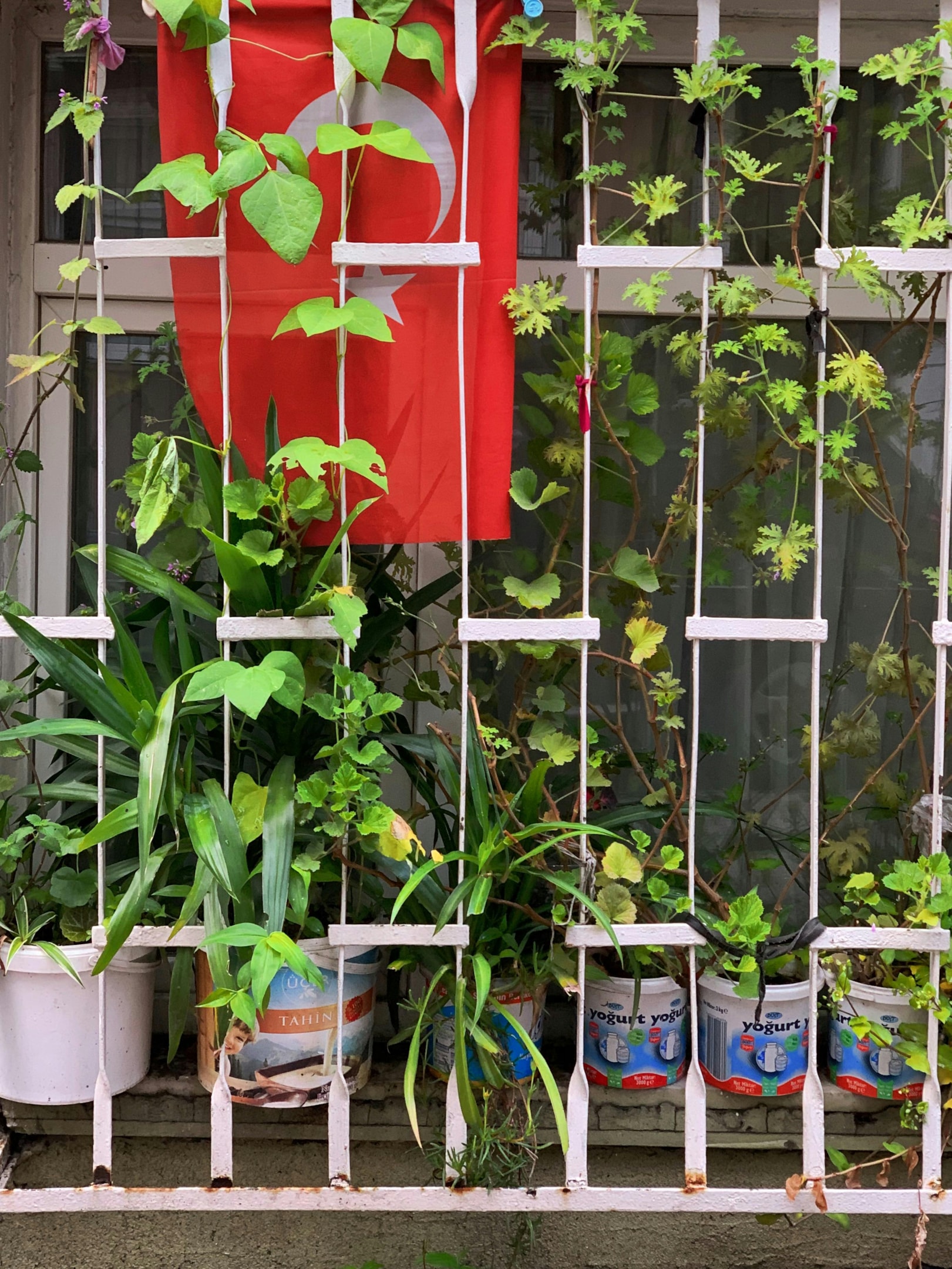
Upcycling creates interesting pots for your container garden. Repurposing old buckets, baskets, or even furniture adds a unique touch. This not only saves money but also gives your garden a personalized, creative flair.
Choosing the Right Location for Your Garden
When it comes to creating a flourishing patio garden, choosing the right location is the first step to success. Start by taking a good look at your outdoor space—whether it’s a sunny patio, a cozy deck, or a small balcony—and figure out how much space you have for your potted plants and containers. The amount of sunlight your garden receives is key: most vegetables and herbs need at least 6 hours of full sun each day to thrive. If your patio gets partial shade, don’t worry! You can still grow a variety of plants, including leafy greens and root crops, which are more tolerant of less direct sunlight.
Another important factor is access to water. Since watering cans can get heavy, especially when you have lots of pots, try to set up your garden close to a water source like a hose or spigot. This makes daily watering much easier and ensures your plants stay healthy throughout the growing season.
Think about what you want to grow. If you’re dreaming of juicy tomatoes, crisp cucumbers, or vibrant peppers, pick a spot that gets plenty of sun. For herbs like basil, mint, rosemary, and thyme, areas with partial shade can work beautifully. Mixing different types of containers—such as small pots, large pots, hanging baskets, and raised beds—can help you make the most of your space and add visual interest to your patio garden.
Don’t forget to use a high-quality organic potting soil to give your plants the best start, and fertilize regularly to keep them producing all season long. With a little planning and creativity, you can create a patio garden that not only looks stunning but also provides you with fresh produce, fragrant herbs, and a relaxing outdoor retreat. Whether you have a tiny balcony or a spacious deck, the right location will help your garden grow and flourish!
Selecting the Perfect Soil Mix
The right soil mix is crucial for your container garden’s success. Unlike heavy and poorly draining ground soil, potting soil is formulated to provide plants with necessary nutrients and moisture retention, ensuring adequate drainage and preventing overwatering and root rot.
Organic potting mixes are an excellent choice as they contain essential nutrients that support both immediate and long-term plant health. These mixes typically contain peat moss, compost, and perlite or vermiculite, offering optimal drainage and aeration.
High-quality organic potting soil from garden centers can significantly enhance the growth and vitality of your container garden.
Best Plants for Container Gardens
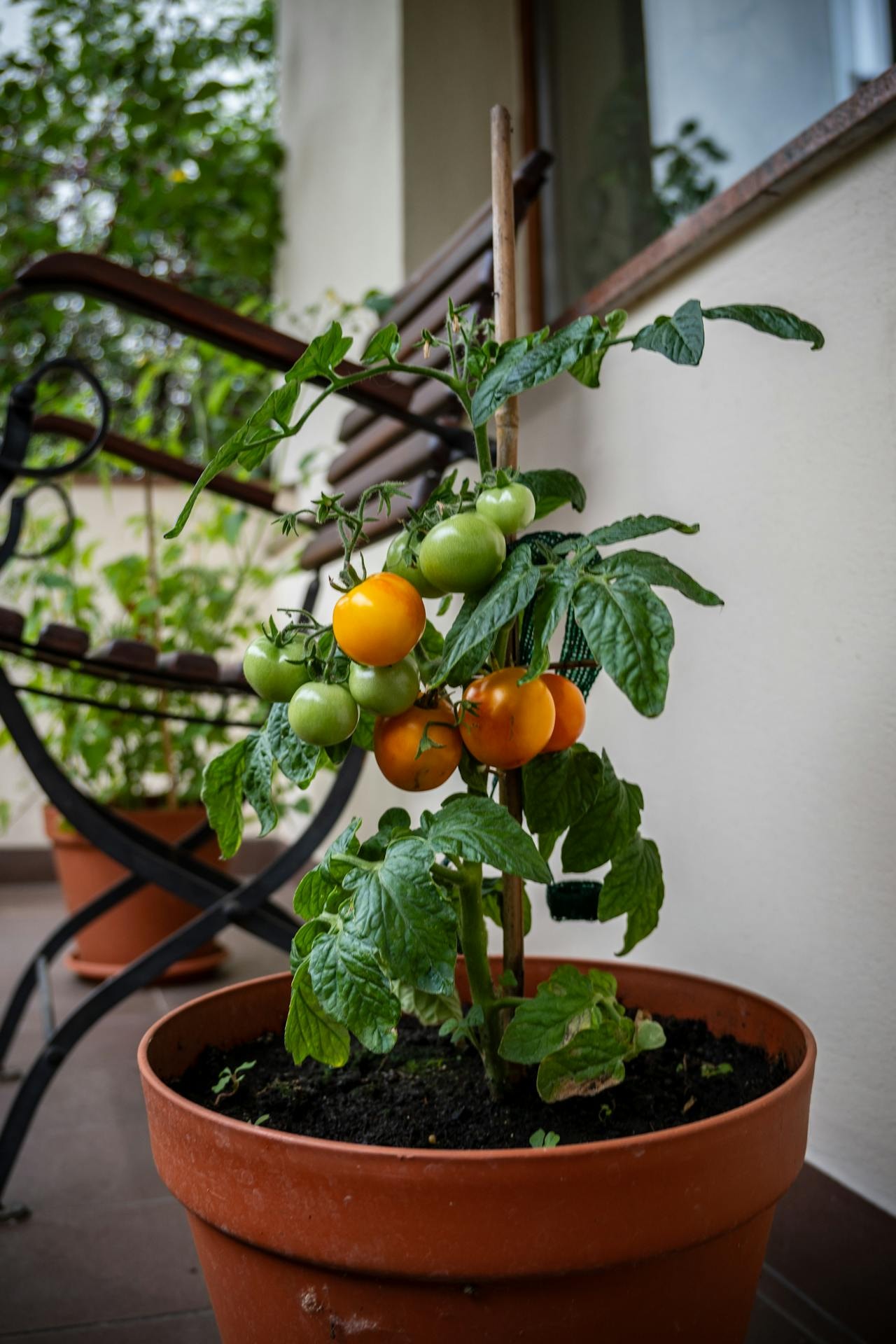
Choosing the best plants for your container garden depends on a few key factors, including the climate of your area. Most container garden plants need at least 8 hours of full sun, though some can thrive with 4 to 6 hours. Ensuring they get the right amount of sunlight is vital for their growth and health. Vegetables and herbs grow best in full sun (at least 8 hours), but leafy greens like lettuce and kale can thrive with as little as 4 to 6 hours of sun.
Popular choices for container gardens include:
Tomatoes (especially smaller varieties)
Peppers
Lettuce
Kale
Swiss chard
Cucumbers
Herbs like rosemary, chives, and lemon verbena
Heat-tolerant flowers such as moss rose
Leafy greens
Tomatoes and peppers are especially popular for container gardening, particularly smaller varieties. Compact vegetable varieties are better suited for growing in containers. Leafy greens such as lettuce, kale, and Swiss chard thrive in patio pots. Herbs like rosemary, chives, and lemon verbena are great choices for container gardening.
Small trees and shrubs can add structure and year-round interest to your container garden, making them excellent options for patios and small spaces.
These flowering plants thrive in containers and provide a bountiful harvest in summer when planted with seeds.
Grouping plants with similar water needs ensures they all receive the right amount of moisture, promoting healthy growth and simplifying your watering routine. This practice promotes healthy growth and simplifies your watering routine.
Designing Your Container Garden

Designing your container garden is where creativity truly comes to life. Choosing the right color combinations can significantly enhance your garden’s visual appeal. Considering the scale of your plants ensures harmony in height and fullness, creating a cohesive and well-planned garden.
A popular design strategy is using thrillers, fillers, and spillers:
Thrillers are tall, eye-catching plants that serve as the centerpiece.
Fillers are medium-height plants that surround the thriller, providing a lush backdrop that is filled with greenery.
Spillers are trailing plants that cascade over the edge, softening the container’s appearance and adding elegance.
Incorporating decorative elements can enhance the visual appeal of your container garden by adding texture and interest. Consider the following tips:
Use twigs, stones, or found objects as decorative elements.
Avoid overcrowding: a 10 to 12-inch pot can accommodate 3-4 plants, while larger pots can hold more.
Use odd numbers of plants in a container to create a more visually appealing arrangement.
Planting Your Container Garden
Proper planting techniques are key to a successful container garden. Fill your container with potting mix to within 2 to 3 inches of the top, allowing space for watering and preventing soil from spilling over. Place plants with the top of their root balls a couple of inches below the rim, facilitating easier watering and better soil coverage.
After planting, water the container garden thoroughly until water drains from the bottom. This helps the soil settle around the roots, providing necessary moisture for healthy growth. When planting transplants, ensure their root ball is barely covered with soil to encourage root expansion and stability.
Watering Techniques for Potted Plants
Watering is critical in container gardening. In warm weather, water daily or even twice a day if temperatures exceed 90 degrees Fahrenheit to keep your plants healthy and prevent drying out.
Drip irrigation systems can automate watering, providing consistent moisture and reducing the need for manual intervention. Self-watering planters maintain soil moisture levels, reducing the frequency of manual watering. A timer with drip irrigation allows you to schedule watering times, streamlining your plant care routine.
Adequate drainage in containers prevents water-related issues. When watering potted plants:
Ensure water penetrates deeply and drains out of the bottom of the pot.
Water plants in the morning for optimal moisture retention.
Avoid wetting leaves to prevent fungal diseases.
Fertilizing Your Container Garden
Fertilization is vital for container plants due to their limited nutrient supply. They require more frequent fertilization than ground plants because nutrients are leached out more quickly. Organic fertilizers provide essential macronutrients along with additional minerals and vitamins beneficial for plant health.
For a patio food garden, consider the following fertilization tips:
Use liquid organic fertilizer as it is easy to apply and quickly absorbed by plants.
Fertilize regularly every 2-3 weeks to keep your container plants healthy and productive.
Apply foliar feeding, where nutrients are absorbed through the leaves, especially during active growth periods.
Regular use of organic fertilizers is crucial since container plants deplete nutrients more quickly than ground plants. Check the NPK ratio on fertilizer packaging to ensure your plants receive the right balance of nitrogen, phosphorus, and potassium, essential for their growth.
Seasonal Care and Maintenance
Seasonal care and maintenance are key to a thriving container garden year-round, especially during the growing season. For potted perennials:
Use larger pots for better insulation.
Ensure they are well-watered before freezing temperatures.
Insulate or store clay or ceramic pots indoors to prevent cracking during winter.
Group containers together and cover them with mulch or straw to retain warmth and moisture.
In spring, follow these steps to care for your plants:
Gradually remove protective coverings to allow plants to acclimate to warmer temperatures.
Use an anti-desiccant spray to help protect evergreen plants from winter wind damage.
Regularly monitor soil moisture in overwintered pots to ensure it remains moist.
Pest control is crucial; frequently inspect your house plants and act promptly to prevent infestations with proper care.
Creative Container Garden Ideas
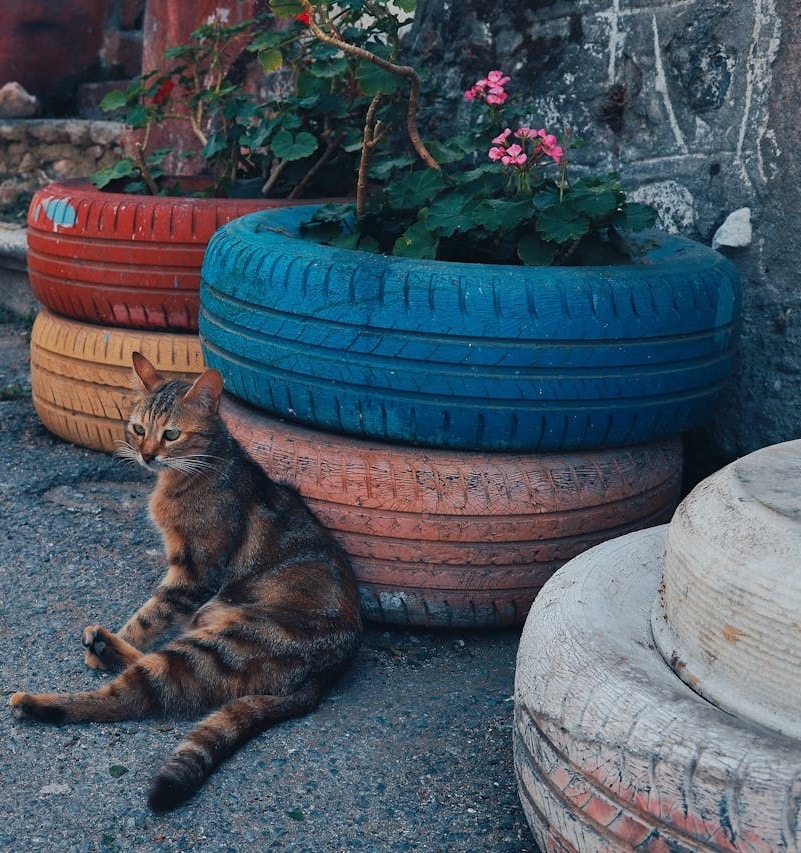
Creative container garden ideas can transform your patio containers into a unique, visually appealing space. Repurposed plastic tubs or milk crates are cost-effective options for a patio vegetable garden. Before filling milk crates with soil, line them with landscape fabric or burlap to retain moisture and prevent soil loss.
Metal containers can serve as unique hanging baskets; drill holes near the rim and use string or chicken wire to suspend them, adding a charming, rustic element to your natural garden. Ensure that each container has a drainage hole to promote healthy plant growth.
Consider adding a water feature, such as a small fountain or decorative water garden, to create a magical focal point in your container garden. You can also purchase unique planters or gardening supplies from local garden centers or online to enhance your creative container garden ideas.
Creating a tiered food fountain using wide, low pots and large pots in graduated sizes offers another visually appealing arrangement for your backyard. These creative ideas save money and add a personalized tip to your water garden with small pots.
Troubleshooting Common Issues
Troubleshooting common issues in container gardening can save your plants. Constructing a cutworm collar from a cylindrical metal container and burying it around the plant base can protect seedlings from pests. A certified organic animal repellent spray used every 2-3 weeks can deter cats, squirrels, raccoons, and other animals from disturbing your garden.
Plants appearing leggy may not be receiving enough sunlight. To help them thrive:
Relocate containers to sunnier spots.
Conduct regular inspections.
Take prompt actions based on observations. These steps are vital for maintaining a healthy container garden.
Harvesting and Enjoying Your Produce

Harvesting and enjoying your produce is the fun part of container gardening. Regularly picking herbs and greens promotes further growth and ensures a continuous supply of fresh produce. There’s nothing quite like the taste of homegrown tomatoes ripened on the vine, which offer better taste and more nutrients.
Enjoy the fruits of your labor by incorporating your homegrown vegetables into your meals. From fresh salads to hearty soups, the possibilities are endless. Container gardening not only provides you with delicious produce but also the satisfaction of growing your own food and the ability to grow veggies.
Expanding Your Patio Garden
Expanding your patio garden can open up new possibilities for growing a variety of plants. Cattle troughs are an inexpensive option for creating raised beds due to their size and shape. These troughs provide ample space for growing vegetables and can be a stylish addition to your patio garden. A raised garden or raised garden bed is an attractive and practical solution for expanding your patio garden, especially for growing vegetables, herbs, and flowers, and can improve both accessibility and aesthetics.
Melons and cucumbers can be grown on a trellis, which saves space and adds a vertical dimension to your garden. Incorporating trellises and other vertical structures allows for growing plants like vines and climbing vegetables, enhancing your garden's space and visual interest. However, these plants may require additional support to hold the weight of the fruit. Using galvanized stock tank planters can enhance the aesthetics and functionality of your garden. These planters are durable and can accommodate a variety of plants.
There are various methods to expand your patio garden, such as adding more containers, using raised beds, and incorporating trellises to create more room for growing plants. Each method offers unique benefits and can help you maximize the use of your outdoor space. Container gardens can also be easily moved to optimize sunlight exposure throughout the season. With a little creativity, you can transform your patio into a thriving garden.
Summary
Container gardening is an accessible and rewarding way to bring nature into your life, regardless of the size of your outdoor space. By understanding the basics, selecting the right containers and soil mix, and choosing the best plants, you can create a lush and vibrant garden. Proper planting techniques, watering strategies, and fertilization ensure that your plants thrive. Seasonal care and creative ideas can keep your garden looking beautiful year-round.
We hope these tips inspire you to start or expand your own container garden. Whether you’re growing vegetables, herbs, or flowers, the joy of nurturing plants and enjoying your harvest is unmatched. Happy gardening!
Frequently Asked Questions
What are the best plants for a container garden?
Container gardens thrive with tomatoes, vibrant herbs like chives and pineapple sage, heat-loving flowers like moss rose, and lush leafy greens! Get ready to enjoy a bountiful and beautiful garden right on your patio!
How often should I water my container garden?
You'll want to water your container garden daily in warm weather, or even twice a day if it gets really hot! Keeping those plants hydrated is key to a thriving garden!
What type of soil should I use for container gardening?
For container gardening, you should definitely use potting soil, as it's designed to give your plants the nutrients and moisture they need to thrive! Organic potting mixes are particularly fantastic for a healthy garden!
How can I protect my container garden from pests?
You can easily protect your container garden from pests by making cutworm collars out of metal containers and using organic animal repellent sprays. These simple steps will keep your plants safe and thriving!
How do I expand my patio garden?
You can supercharge your patio garden by incorporating cattle troughs or galvanized stock tank planters, utilizing trellises for climbing plants, and adding a variety of containers or raised beds! Get creative and watch your garden thrive!


