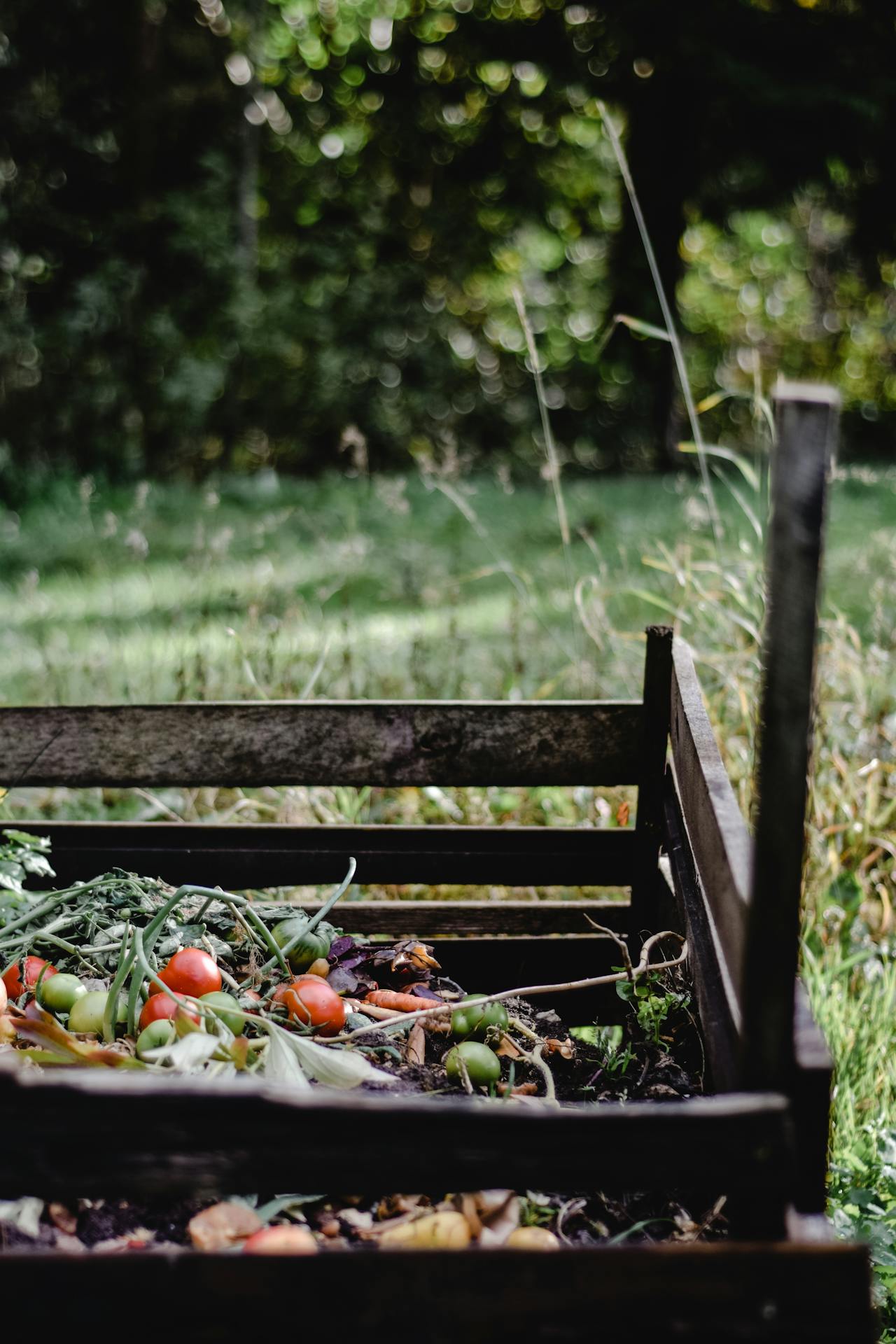
How to Start a Compost Pile at Home
How to Start a Compost Pile at Home
Compost is decayed organic matter recycled into a nutrient-rich, soil-like amendment via decomposition. Composting is the managed, aerobic biological decomposition of organic materials by microorganisms. This guide is designed for home gardeners, beginners, and anyone interested in sustainable gardening practices. Composting matters because it not only transforms kitchen and yard waste into valuable compost for your garden, but also reduces landfill waste and supports a healthier environment.
Whether you’re a first-time gardener or looking to make your gardening more eco-friendly, learning how to start a compost pile at home is a simple and rewarding way to enrich your soil and support plant growth. In this guide, you’ll discover what compost is, how to start a compost pile at home, what materials to use, and the many benefits composting brings to your garden and the environment.
Quick Start: How to Start a Compost Pile at Home
Choose a location: Pick a well-drained, partially shaded spot that’s easy to access.
Layer materials: Start your pile by layering “green” (nitrogen-rich) materials like grass clippings and kitchen scraps with “brown” (carbon-rich) materials such as dried leaves, straw, or cardboard. Compost is created by layering "green" materials with "brown" materials to create a nutrient-packed addition for gardens.
Maintain the ratio: Aim for a 2:1 or 3:1 ratio of brown to green materials for optimal decomposition.
Avoid certain items: Do not add meat, bones, dairy products, grease, animal products, pet waste, treated materials like glossy paper, or diseased plant material to prevent pests, odors, and contamination.
Moisture and aeration: Keep the pile as damp as a wrung-out sponge and turn it every 1-2 weeks to provide oxygen.
Monitor progress: Finished compost should look dark, loose, and crumbly and smell like fresh soil. In a well-maintained pile, compost will be ready in about three to five months.
Key Takeaways
Composting transforms organic waste into nutrient-rich compost, enriching soil and supporting plant growth while reducing reliance on chemical fertilizers.
Maintaining a proper balance of green (nitrogen-rich) and brown (carbon-rich) materials, along with moisture and aeration, is crucial for an effective compost pile.
Composting at home not only benefits your garden but also contributes to environmental sustainability by decreasing landfill waste and greenhouse gas emissions.
Understanding Composting
Compost is decayed organic matter recycled into a nutrient-rich, soil-like amendment via decomposition. Composting is the managed, aerobic biological decomposition of organic materials by microorganisms.
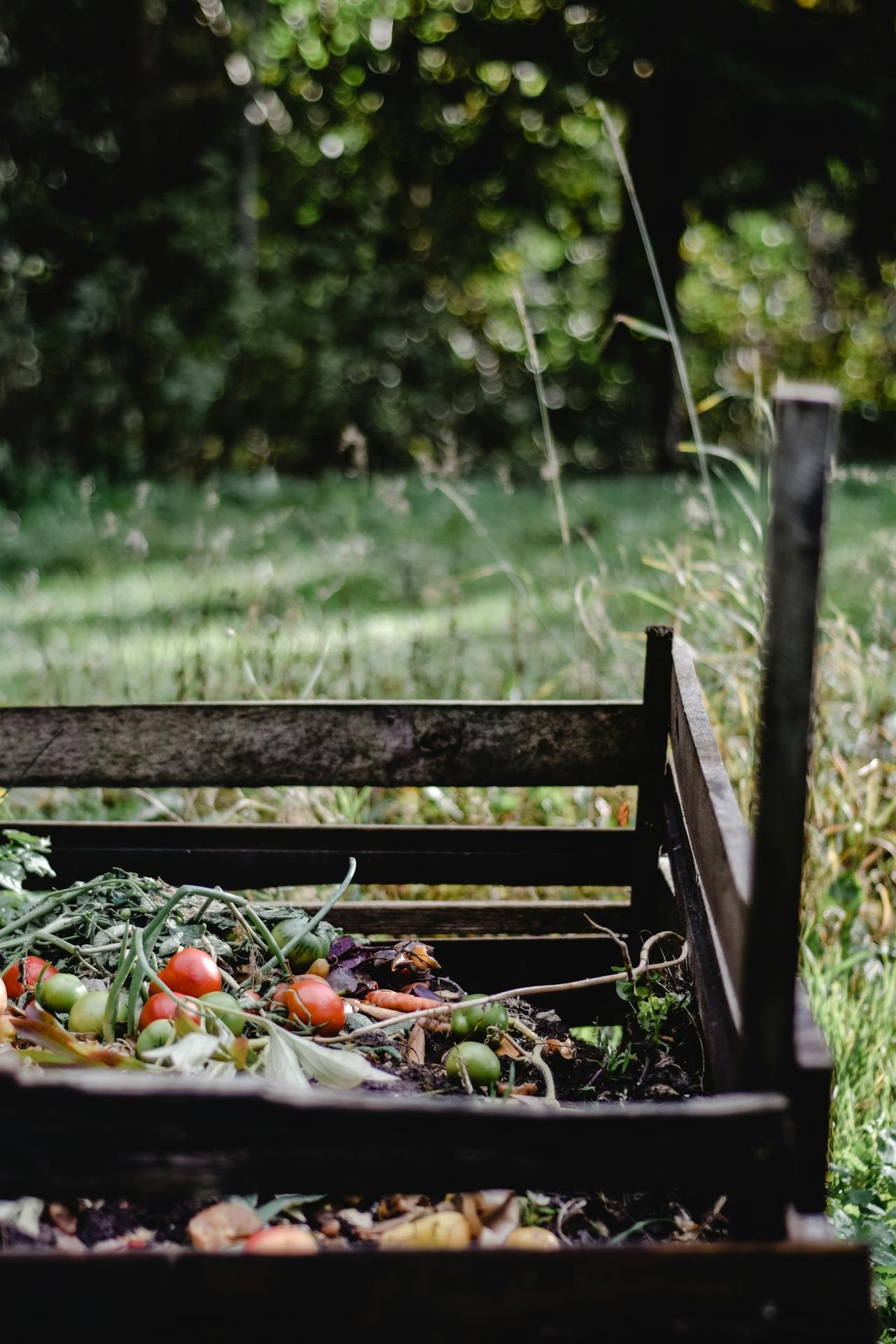
How Composting Works
Composting is nature’s way of recycling organic materials. It involves the breakdown of organic matter through natural processes aided by microorganisms, with aerobic conditions playing a crucial role in preventing odors and producing high-quality compost. When you compost, you’re essentially creating a controlled environment where organic materials can gradually decompose into a nutrient-rich product known as compost.
Compost is created by layering "green" materials with "brown" materials to create a nutrient-packed addition for gardens. The composting process can take anywhere from a few weeks to several months, depending on various factors like the type of materials used and environmental conditions. Key to this process are soil microorganisms that thrive in the right conditions, breaking down organic matter into a form that can be easily absorbed by plants. Maintaining a balance of green and brown materials, along with proper aeration and moisture, creates an efficient compost pile that decomposes faster. Brown materials act as carbon sources—such as dried leaves, straw, sawdust, and cardboard—while green materials provide the nitrogen source needed for effective decomposition.
The end product, compost, is a valuable organic amendment that can be used to improve soil fertility, structure, and aeration. It serves as an organic fertilizer, providing essential nutrients for plant growth and reducing the need for chemical fertilizers.
Whether you’re adding organic matter to your garden beds or using composted manure, the benefits of compost are numerous and can make a significant difference in your gardening efforts.
Now that you understand how composting works, let’s explore the benefits it brings to your garden and the environment.
Benefits of Composting at Home for Plant Nutrients
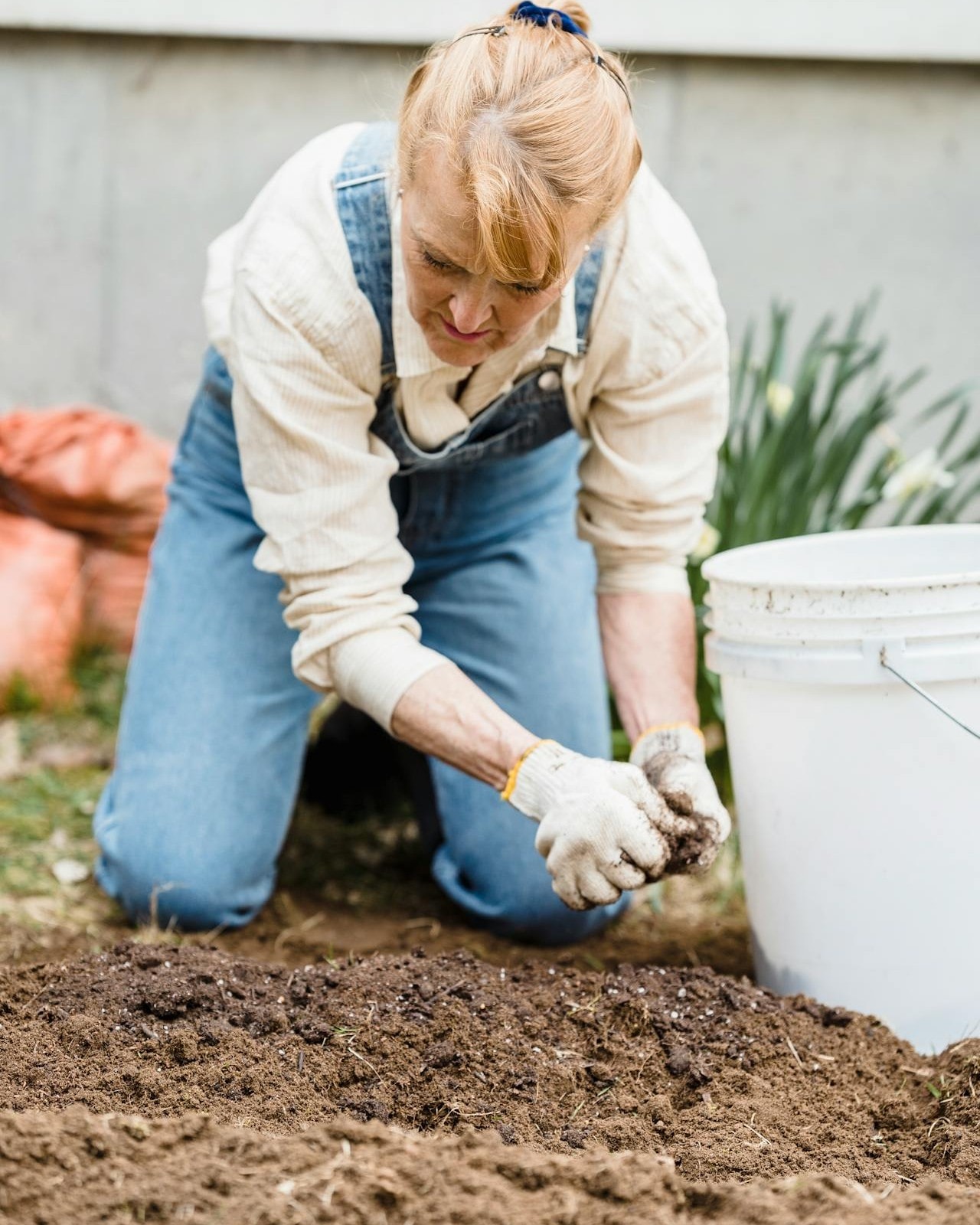
Why Composting Matters for Your Garden
Composting at home offers many benefits that extend beyond simply reducing waste. When you compost, you’re returning essential nutrients to the soil, which helps create healthy soil and supports plant growth. This process not only enriches your garden but also reduces the need for chemical fertilizers, making your gardening practices more sustainable and eco-friendly.
Environmental and Economic Benefits
One of the significant advantages of composting is the potential to save money. Recycling grass clippings, kitchen scraps, and garden debris into compost allows you to create your own organic fertilizer, eliminating the need for commercial products. This homemade compost can be used for topdressing lawns, enhancing soil conditions, and supporting plant growth, which can improve the overall health of your lawn and garden.
Additionally, composting contributes to a healthier environment by reducing the amount of organic waste that ends up in landfills. This reduction in waste helps decrease greenhouse gas emissions, notably methane, which is produced when organic materials decompose anaerobically in landfills. Composting not only enriches your soil but also contributes to protecting the planet.
Now that you know the benefits, let's look at how to set up your compost pile.
Choosing the Right Location for Your Compost Pile
Selecting the best spot for your compost pile is a key step in ensuring a successful composting process and reaping the full benefits for your garden. Look for an area with good drainage to prevent water from pooling, which can slow decomposition and create unpleasant odors. A well-drained site helps maintain the right moisture balance, supporting healthy soil microorganisms and efficient breakdown of organic matter.
Convenience is also important—choose a location that’s easy to access year-round, so you can regularly add materials and turn your compost pile, even during rainy or snowy weather. Placing your pile near a water source makes it easier to maintain optimal moisture levels, which is essential for producing high-quality compost.
To protect beneficial organisms and prevent overheating, avoid placing your compost pile in direct sunlight. Partial shade is ideal, as it helps regulate soil temperature and keeps the composting process steady. Additionally, keep your pile a reasonable distance from fences, property lines, and your home to minimize pest issues and maintain good neighborly relations.
By thoughtfully choosing your compost pile’s location, you’ll create the ideal environment for organic matter to decompose efficiently, resulting in nutrient-rich compost that enhances soil fertility, supports robust plant growth, and contributes to a thriving garden ecosystem.
With your location selected, it’s time to gather the right ingredients for your compost pile.
Essential Ingredients for a Successful Compost Pile
Green Materials
Green materials are essential for composting as they are rich in nitrogen, which supports microbial activity and plant growth. Examples of nitrogen-rich green materials include fresh grass clippings, coffee grounds, and kitchen scraps. These materials help create a rich, nourishing environment for bacteria in the compost pile, promoting faster decomposition and enhancing the overall effectiveness of the composting process.
Examples of Green Materials
Fresh grass clippings
Coffee grounds
Fruit and vegetable scraps
Plant trimmings
Tea bags (without synthetic materials)
Including a variety of nitrogen-rich materials like those mentioned above enhances the composting process and improves soil health. Fresh grass clippings and kitchen scraps, for instance, contain high levels of nitrogen that support the growth of beneficial organisms and improve the nutrient content of the finished compost. These materials contribute to a fertile soil that can support healthy plant growth, improve crop production, and provide essential plant nutrients.
Moreover, green materials play a crucial role in reducing greenhouse gas emissions by aiding in the efficient decomposition of organic matter. Incorporating nitrogen sources and nitrogen rich material into your compost pile enhances plant growth and contributes to environmental sustainability through carbon sequestration.
Brown Materials
Brown materials are characterized by their high carbon content, which is essential for effective composting. These materials play a crucial role in balancing the nitrogen-rich green materials and improving the structure of the compost pile.
Examples of Brown Materials
Dried leaves
Shredded paper
Wood chips
Straw
Sawdust
Cardboard
Incorporating carbon-rich materials like dried and fallen leaves improves the compost’s structure and provides energy for microorganisms. These materials decompose more slowly than green materials, helping to maintain the compost pile’s integrity and ensuring a steady supply of organic matter over time. For optimal results, add two to three times the volume of brown materials compared to green materials.
Additionally, brown materials help to prevent the compost pile from becoming too moist, which can slow down the decomposition process. Balancing the carbon-to-nitrogen ratio with brown materials creates a well-structured compost pile that supports healthy microbial activity and faster decomposition.
What to Avoid Adding
Certain items should not be added to a compost pile as they can attract pests or fail to decompose properly. Avoid adding meat, dairy, and oily foods to your compost pile. These items can create odors that attract pests and disrupt the composting process.
Food scraps that should be excluded from compost include:
Those containing oils or fats, to prevent pest attraction
Herbicide-treated plants, as they can disrupt the composting process
Diseased plants, to avoid spreading pathogens
Animal products (meat, bones, dairy, grease)
Pet waste
Treated materials like glossy paper
With your ingredients ready, let’s see how to build your compost pile step by step.
Adding Animal Manure to Your Compost
Incorporating animal manure into your compost pile is an excellent way to boost its nutrient content and create fertile soil that supports vigorous plant growth. Manure from sources like cows and horses is packed with major nutrients—nitrogen, phosphorus, and potassium—that are essential for healthy plants and productive crop production.
However, it’s important to compost manure properly to ensure it’s safe for your garden and human health. Raw manure can contain weed seeds and pathogens, so always mix it with carbon-rich materials such as shredded paper or straw. This balance helps soil microorganisms break down the manure efficiently, raising the compost pile’s temperature to levels that destroy harmful organisms and weed seeds. Regularly turning the pile maintains aerobic conditions, which not only speeds up the composting process but also prevents methane emissions and reduces overall greenhouse gas emissions.
When fully composted, manure becomes a powerful organic fertilizer that improves soil structure, enhances water retention, and increases nutrient availability for plants. The result is healthier soil, reduced soil erosion, and more resilient crops. By adding composted manure to your garden, you’re enriching the soil with organic matter and major nutrients, supporting plant growth, and promoting a sustainable, eco-friendly approach to gardening.
Now that you have your materials, let’s build your compost pile.
Steps to Build Your Compost Pile
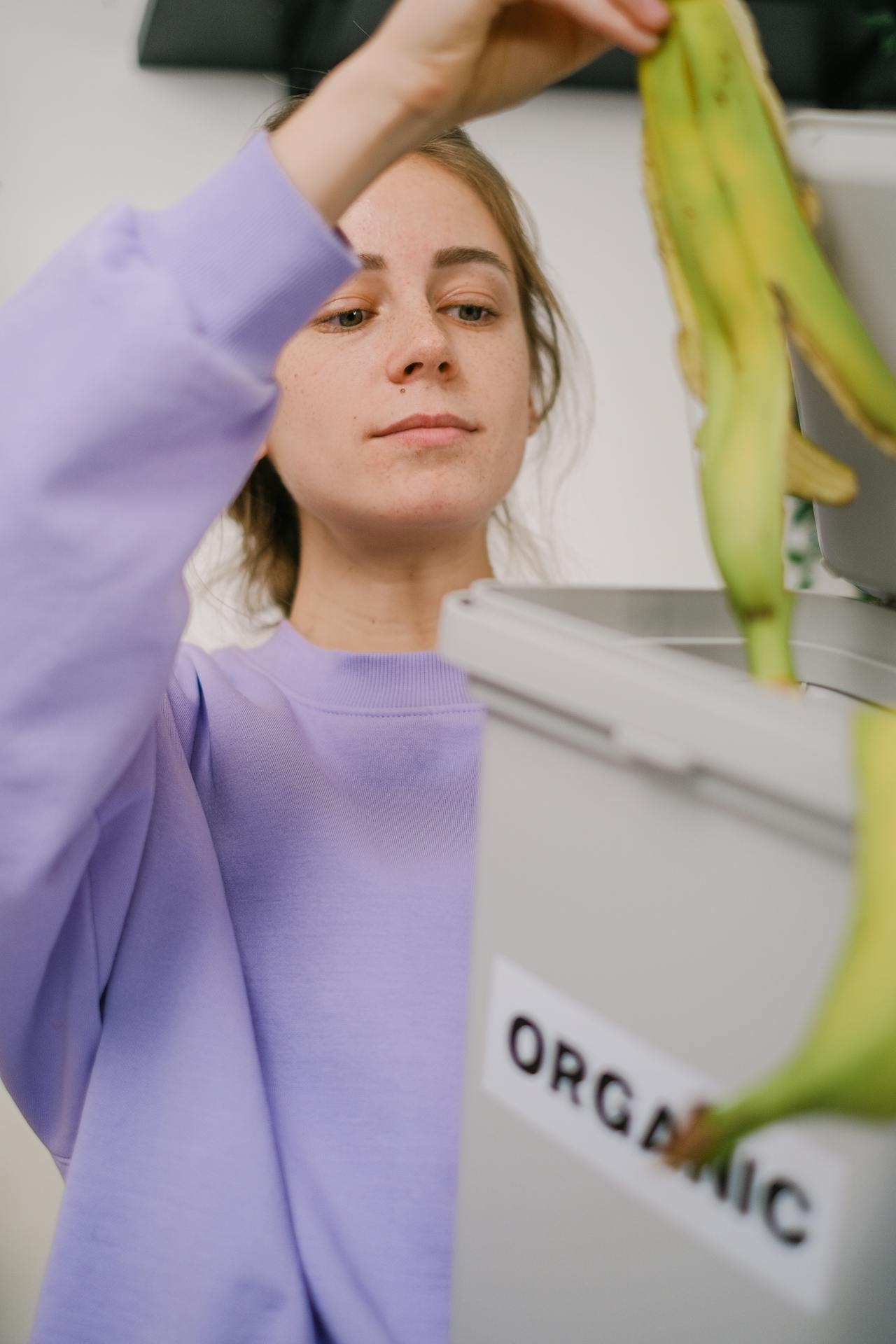
Building a compost pile involves several key steps to ensure a balanced and efficient composting process. Start with a base of bulky browns, such as straw or small branches, to create a strong foundation and improve air circulation. Layer nitrogen-rich green materials on top of the brown layer for a balanced carbon-to-nitrogen ratio. Alternate layers, keeping the carbon-to-nitrogen ratio at about 3:1 to enhance decomposition.
To ensure proper composting:
Maintain moisture levels.
Regularly turn the compost pile to ensure proper aeration and support microbial activity.
Layering Techniques
Proper layering of compost materials increases the efficiency of decomposition and enhances nutrient availability. Start your compost pile with a base of bulky browns, such as straw or small branches, to improve air circulation and support decomposition.
Incorporate diverse materials such as kitchen scraps, grass clippings, and leaves across the layers to create a balanced compost pile. This layering technique ensures that the compost pile has a good mix of carbon and nitrogen, which is essential for efficient decomposition and nutrient availability. In some composting methods, such as sheet composting, the upper layers—often made of cardboard and mulch—act as barriers to weeds and help regulate moisture.
Maintaining Moisture
Maintaining moisture levels in your compost pile is crucial for effective decomposition. A well-balanced compost pile should have a moisture level similar to that of a damp sponge. To maintain this:
Check the moisture level regularly.
If the compost feels dry, add water until it’s damp.
If the compost becomes too wet, add dry materials to absorb excess moisture and ensure good drainage.
During heavy rains, it is important to cover the compost pile with a tarp or plastic to prevent excess water from leaching nutrients and disrupting the decomposition process.
Proper moisture management helps maintain optimal soil temperature and aeration in soils, which are critical for nutrient availability and the overall efficiency of the composting process.
Aerating the Pile
Aeration is crucial in composting as it helps speed up the decomposition process and prevents foul odors from developing in the pile. Regularly turning the compost pile ensures good aeration, allowing for even breakdown of materials and enhanced microbial activity. This practice not only supports the decomposition process but also improves soil structure and soil aeration.
Maintaining moisture levels in the compost pile is essential, as it works hand-in-hand with aeration to create an optimal environment for decomposition.
Once your pile is set up, it’s important to know how to manage common composting issues for best results.
Managing Common Composting Issues
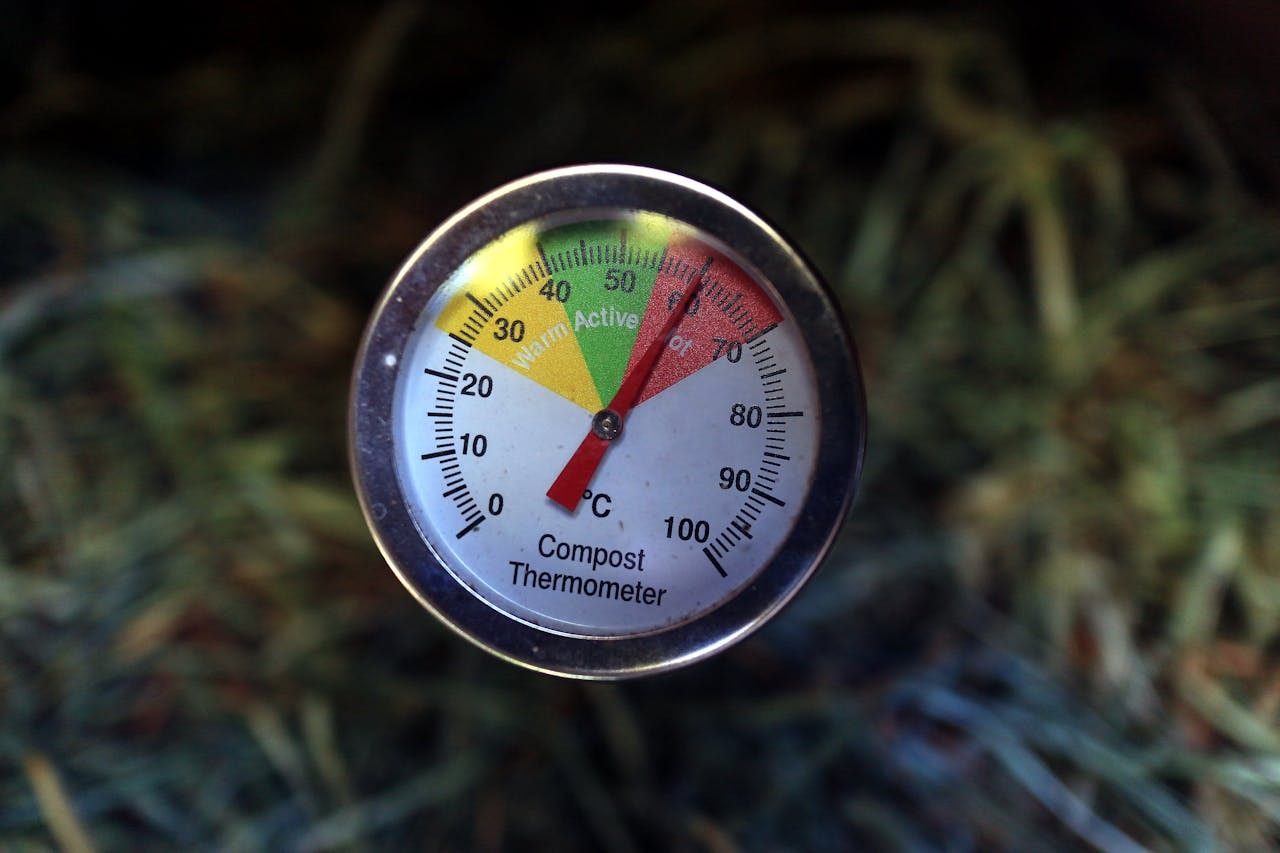
Managing common composting issues is essential for maintaining an efficient and odor-free compost pile.
To prevent foul odors:
Ensure proper aeration by turning the pile regularly.
Balance the carbon-to-nitrogen ratio.
Add sufficient brown materials.
Avoid adding meat, dairy, and oily foods.
To prevent pests:
Exclude items like meat, dairy, and oily foods from the compost pile.
Avoid adding diseased plant material and herbicide-treated plants to prevent spreading pathogens and disrupting the composting process.
Monitor moisture, odor, and temperature to catch and address any issues early on.
Proper composting techniques, such as maintaining high temperatures and using barriers like cardboard in sheet mulching, can also help suppress weed growth by preventing weed seed germination and emergence.
Lastly, avoid adding pet waste to compost as it can introduce harmful pathogens. By following these guidelines and maintaining a well-balanced compost pile, you can manage common composting issues effectively and ensure the production of high-quality compost.
Once your compost is finished, it’s time to use it to boost your garden’s health.
Using Finished Compost
Using finished compost in your garden can significantly enhance soil health and support plant growth. Compost enriches soil by providing essential nutrients, which promotes healthier gardens and reduces the need for chemical fertilizers.
How to Apply Compost
Mix compost into the top 8 to 12 inches of soil to use it as a soil amendment.
In landscape areas, work compost into the soil to a depth of 6 to 8 inches before planting.
Compost Application Tips
Apply a compost layer of a quarter-inch to 1 inch annually to maintain soil fertility and support ongoing plant growth.
Use compost as mulch to help retain moisture, suppress weeds, and protect plant stems and tree trunks.
Occasionally add a three-inch layer of compost on the soil surface to maximize its benefits.
Keep the compost a few inches away from plant stems and tree trunks.
In new garden beds, layer compost 3 to 4 inches deep on the soil surface to prepare the area for planting. This method is especially effective for growing vegetables, as it creates fertile, well-structured soil that supports healthy vegetable crops.
Compost not only acts as an organic fertilizer, but it also adds organic matter, which can improve soil structure. In sandy soils, organic matter holds water that would otherwise drain away. In clay soils, it provides aeration and loosens the soil so water and roots can penetrate more easily.
With your compost in use, you may want to explore different composting methods to suit your needs.
Composting Variations
There are various composting methods to suit different environments and needs. Vermicomposting, for example, involves using worms to break down organic materials. This method requires little space, uses simple and inexpensive materials, and can be done indoors or outdoors. The main materials needed for vermicomposting include a container, bedding material, worms, and food scraps, resulting in a nutrient-rich product called vermicompost.
Another method is sheet composting, which involves:
Layering materials that alternate between nitrogen-rich and carbon-rich sources, with the initial layer typically comprised of cardboard.
Starting the process in the fall.
Allowing approximately six months for the compost to be ready for planting.
Ensuring that once finished, the layers are decomposed and the materials are unrecognizable.
One of the benefits of sheet mulching is that it protects against weeds.
These composting variations offer flexibility and can be tailored to different soil type and gardening needs. Whether you choose vermicomposting, sheet composting, or another method, each approach contributes to the decomposition process and provides valuable organic amendments for many soils in your garden.
In some soils, adding biochar can improve soil fertility and sequester carbon with minimal effort due to its long-term stability in the soil. Biochar and other organic amendments can also enhance the retention of other nutrients in the soil, supporting plant health and productivity.
Let’s take a look at the broader environmental impact of composting.
Environmental Impact of Composting on Soil Erosion
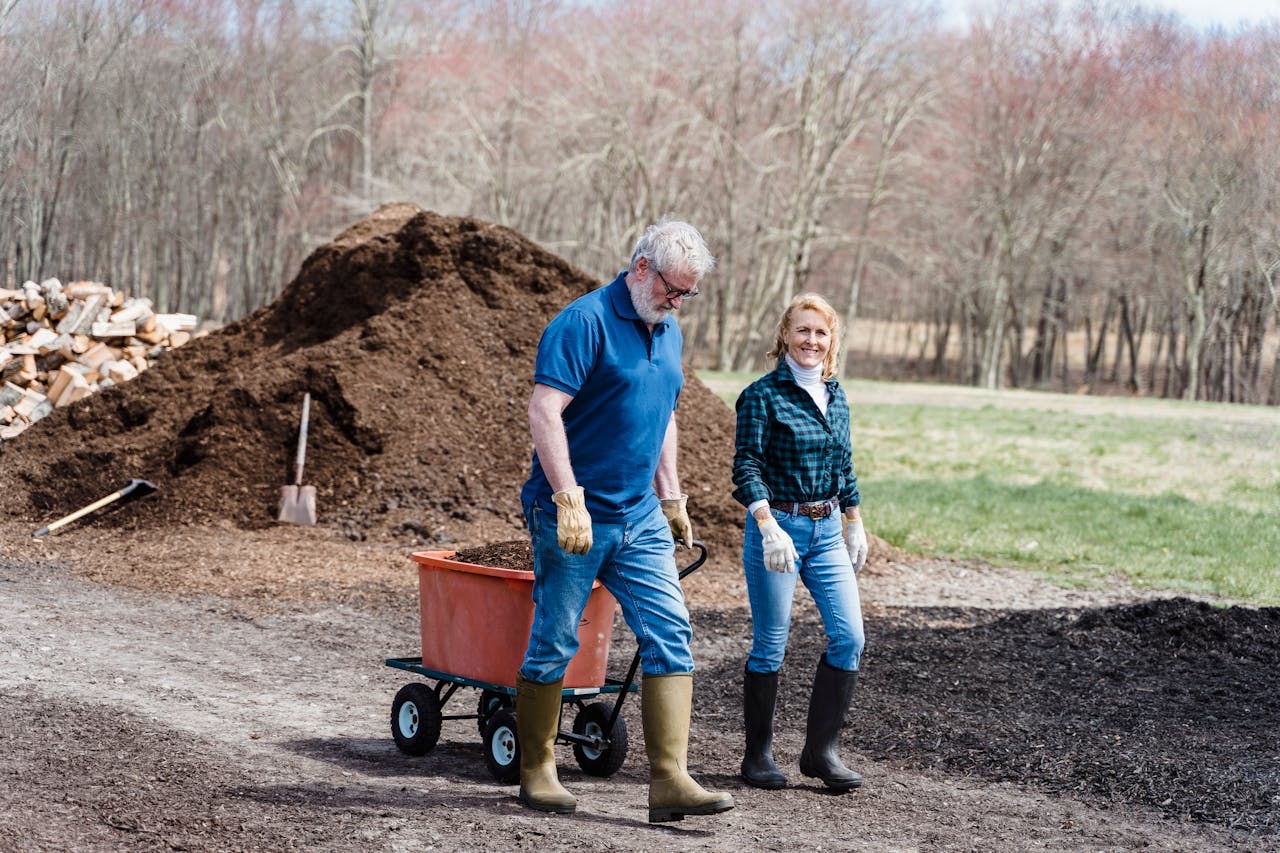
Composting has a significant positive impact on the environment. Composting helps decrease greenhouse gas emissions by preventing organic waste from entering landfills, where it would otherwise produce methane. Instead, organic waste is transformed into a valuable resource that enriches soil and supports plant growth. This transformation reduces methane emissions and contributes to environmental sustainability. When using compost or biosolids as soil amendments, it is important to monitor and control heavy metals to ensure environmental safety and compliance with regulations.
Additionally, composting improves soil health, which can help reduce soil erosion and enhance water retention. Certain composting methods, such as incorporating biochar, can also improve water quality by adsorbing contaminants and reducing nutrient runoff. By using compost as an organic fertilizer, you can reduce the reliance on chemical fertilizers, which have a more significant environmental impact due to their production and use.
Overall, composting supports a healthier planet by turning waste into a resource and promoting sustainable gardening practices.
Ready to get started? Here’s a summary of what you’ve learned.
Summary
Starting a compost pile at home is a rewarding and environmentally friendly way to recycle organic materials and enrich your soil. By understanding the basics of composting, recognizing the benefits, and using the right ingredients, you can create a productive compost pile that supports healthy plant growth and reduces waste. The steps to building and maintaining your compost pile are straightforward, and addressing common issues will ensure a successful composting process.
Whether you choose traditional composting, vermicomposting, or sheet composting, each method offers unique benefits and contributes to a healthier environment. Embrace composting as part of your gardening routine and enjoy the many advantages it brings to your garden and the planet. Happy composting!
Frequently Asked Questions
What materials should I avoid adding to my compost pile?
To ensure your compost thrives, steer clear of meat, dairy, oily foods, herbicide-treated plants, diseased plants, and pet waste. Keeping these items out will help you create a healthier, more effective compost pile!
How often should I turn my compost pile?
To keep your compost pile healthy and efficient, turn it at least every 1-2 weeks. This encourages aeration and boosts decomposition, leading to rich compost for your garden!
Can I compost during the winter?
Absolutely, you can compost in the winter! Just keep adding materials and turning your pile to ensure it stays aerated and maintains moisture. Your composting efforts will pay off when spring arrives!
How do I know when my compost is ready to use?
Your compost is ready to use when it is dark, crumbly, and has a pleasant earthy smell, with no recognizable original materials. Trust your senses—if it smells good and looks rich, you’ve got a fantastic garden boost!
What are the benefits of using compost in my garden?
Using compost in your garden is a game-changer! It enriches the soil with vital nutrients, improves its structure, and boosts moisture retention, leading to healthier plants and a more sustainable gardening approach.


