Choosing the Right Trees for Your Climate Zone
Choosing the Right Trees for Your Climate Zone
Choosing the right trees involves matching them to your climate, soil type, and available space. This article will help you navigate these factors to find the perfect trees for your garden.
Key Takeaways
Know your climate zone and select tree species that thrive in your specific conditions for better growth and survival.
Consider the growing season and associated temperature and moisture availability when choosing trees to ensure successful establishment and health.
Utilize proper long-term care, including regular pruning and pest management, to maintain tree health and maximize their benefits over time.
Understanding Climate Zones
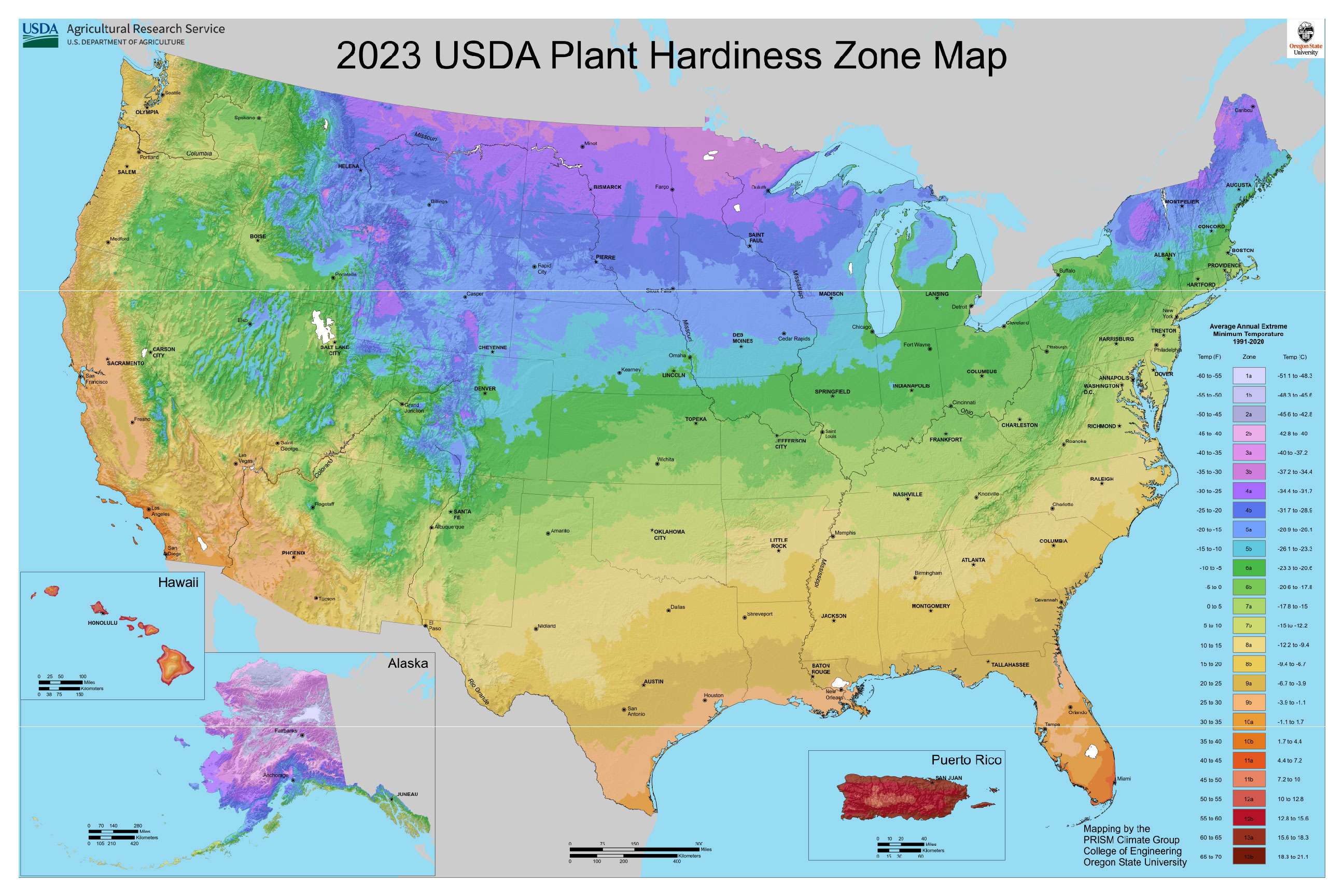
Choosing trees that suit your local climate is vital for their growth and survival. This requires knowing your specific climate zone to ensure compatibility with your local growing season. The Köppen-Geiger climate classification system is commonly used to categorize different climates based on temperature profiles, and it can be a helpful tool in this regard. This system was developed to categorize global climate zones based on temperature and precipitation patterns, providing a comprehensive framework for understanding climate across the planet.
If you’re in the United States, the USDA climate zone map is another valuable resource that provides detailed information on the different climate zones across the country. These tools help you pinpoint your climate zone and choose trees that will thrive in that environment.
Climate zones are defined by average temperature and precipitation patterns, which significantly influence tree species’ growth. Latitude and proximity to the equator play a major role in determining climate zone characteristics across the planet. Recognizing these patterns helps select trees that will both survive and flourish locally. Climate zones can change over time due to global warming, leading to shifts in climate patterns and affecting ecosystems worldwide. Today, climate classification systems remain essential for understanding and adapting to changing environmental conditions.
Temperate Zones
Temperate zones are characterized by moderate temperatures and ample rainfall, creating an ideal environment for a diverse range of fruit trees. These zones experience distinct seasonal changes that support the growth of various fruit trees, providing a lengthy growing season.
Temperate climates, with their balanced moisture and moderate temperatures, are ideal for fruit trees like apples, pears, and cherries. These trees often need a cold period to produce fruit effectively, conditions typically found in temperate zones.
Furthermore, the distinct seasons in temperate zones mean that trees can benefit from the cold period needed for fruit production, and then grow robustly during the warmer months. This cyclical pattern produces healthy tree development and high productivity.
Dry Climates
Dry climates are characterized by potential evaporation exceeding precipitation, resulting in very dry conditions that pose unique challenges for tree growth. In these climates, tree water needs vary significantly based on local rainfall and soil drainage. Deserts, such as the Gobi Desert in Asia, experience extreme temperature swings between day and night, with nighttime temperatures sometimes dropping below freezing, which further impacts tree survival.
Knowing the characteristics and water needs of trees in dry climates is essential for successful cultivation. Selecting species that are well-adapted to dry conditions can greatly enhance their growth and survival. For instance, trees in dry climates often need specialized management strategies to cope with the limited water availability and higher evaporation rates.
Focusing on drought-tolerant trees that thrive with minimal water can keep your garden lush and vibrant, even in arid conditions. Proper water management and soil preparation are key to achieving this.
Polar Climates
Tree growth in polar climates is limited due to extremely low temperatures and short growing seasons, which restrict the types of species that can thrive in these harsh conditions. In these regions, even the warmest month often has an average temperature below 10°C, further limiting the types of trees that can survive. In polar climates, trees face significant challenges such as permafrost and prolonged periods of darkness and cold.
Some tree species have adapted to survive in these extreme environments, often showing slow growth and low metabolic rates to conserve energy and withstand harsh conditions. Recognizing these adaptations is key to selecting trees that can endure the polar climate.
Choosing species that can survive the extreme cold and short growing seasons of polar climates, including those from Greenland and animals from different continents, can reward you with unique and resilient additions to your landscape, as shown by various successful examples.
Tropical Climates
Tropical climates are characterized by consistently high temperatures and abundant rainfall throughout the year, typically found near the equator. These warm and moist conditions create an ideal environment for a wide variety of tree species, including many fruit trees and lush evergreen varieties.
Trees in tropical climates often grow rapidly due to the long growing season and plentiful heat and moisture. However, selecting the right trees involves considering factors such as soil type, rainfall distribution, and resistance to tropical pests and diseases. Tropical trees may require well-drained soil to prevent root rot in areas with heavy rainfall.
Common tropical trees include mango, banana, papaya, and various palms, all of which thrive in these warm, humid conditions. When choosing trees for tropical climates, it’s important to select species adapted to both the heat and moisture levels typical of the region to ensure healthy growth and productivity.
Choosing Trees Based on Growing Season
Different growing seasons significantly influence which trees will thrive in a given area. Trees have specific growing conditions optimal during various seasons, and understanding these is crucial for successful cultivation. Seasonality affects temperature, sunlight, and water availability, all vital for healthy tree growth.
Choosing trees suited to the growing season involves considering both climate and the specific needs of the tree species. By accounting for your region’s growing season length, you can select tree varieties that will establish successfully and grow robustly.
Spring and Summer Considerations
Spring planting allows trees to establish roots before the summer heat in colder areas, making it an ideal time for planting. Mild temperatures and ample rainfall in spring create perfect growth conditions, allowing trees to grow new leaves and branches. Proper watering and fertilization support this growth.
Temperature and moisture availability influence tree growth during spring and summer, with adequate sunlight and moisture being crucial. However, summer heat stress can affect tree health, causing wilting leaves and a rise in reduced growth if not managed properly.
Fall planting benefits certain trees, especially in USDA zones 7 or higher, where mild winters support fruit tree establishment. Proper timing and management during these seasons enhance tree health and productivity.
Winter Dormancy
Winter dormancy is crucial for energy conservation in trees, enabling robust spring growth. Dormancy helps trees withstand cold temperatures and conserve resources. Many common fruit and nut tree species need specific chilling hours during winter to thrive in warmer seasons.
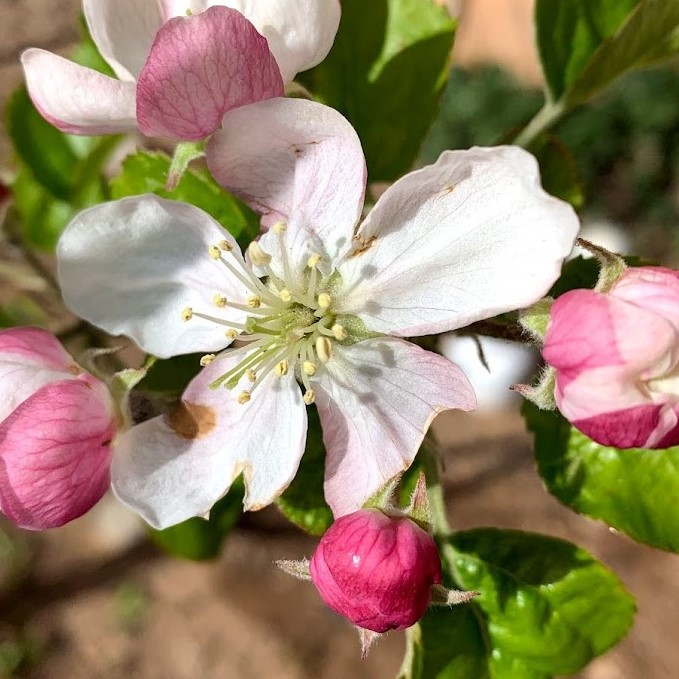
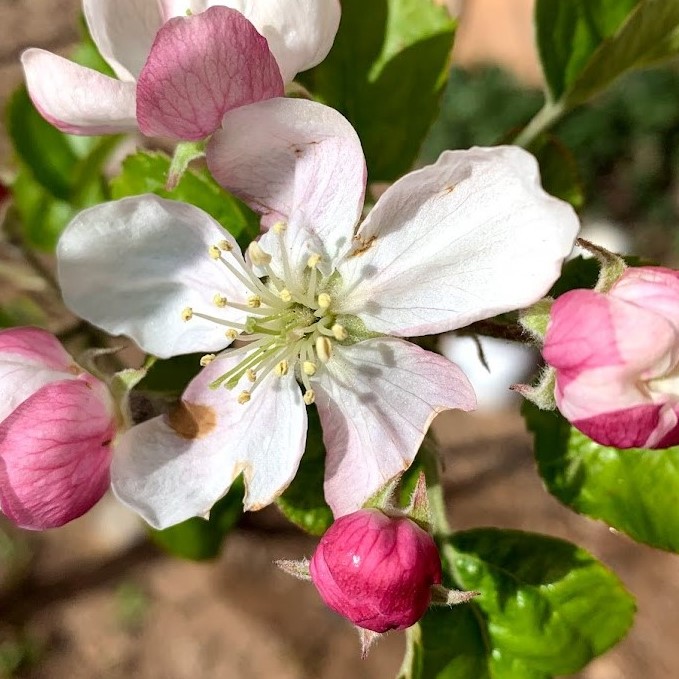
Cold winter months play a vital role in preparing trees for the next growing season. Ensuring trees experience the required chilling hours significantly impacts their fruit production and overall health. Chill hours are the number of hours below 45 degrees Fahrenheit. Many fruit trees need a specific number of chill hours for proper bud development and budbreak. Some of the most common temperate fruit trees will not produce fruit if they do not get the required number of chill hours. This number varies widely by variety. For example, apple varieties need 200 to 1000 chill hours depending on the variety. Before planting a fruit tree make sure your climate has enough chill hours for it to produce fruit.
Degree Days and Tree Development
Climate significantly influences tree growth by regulating key processes like photosynthesis and cell division. During early fruit development, cells are actively dividing, and this process is influenced by temperature and degree day accumulation. The expansion and differentiation of cells during later stages of fruit growth are also affected by environmental conditions. Degree days measure accumulated heat, which means directly affecting tree growth rates and fruit production. By quantifying accumulated heat over time, degree days help determine the timing of tree growth and fruit development. The result of reaching certain degree day totals is the initiation of key growth stages, such as flowering or fruit maturation. Additionally, different organs, such as developing fruit, compete for assimilates from the source tissues within the plant, impacting overall crop development.
Understanding degree days is essential for predicting tree growth and development, as they measure accumulated heat necessary for various growth stages. When calculating degree days, the base temperature represents a threshold below which physiological activity, such as growth or insect development, does not occur. Matching trees to the degree days typical of your location ensures optimal growth and productivity.
Calculating Degree Days
Calculating degree days involves the following steps:
Determine the average daily temperature by averaging the daily high and low temperatures.
Subtract a set base temperature specific to the tree species from the average temperatures daily temperature.
Track the cumulative total of these values over time.
This method helps predict optimal planting times and understand growth patterns. For instance, if a tree species has a base temperature of 50°F and the average daily temperature is 60°F, you accumulate 10 degree days for that day. Tracking these accumulations helps plan your planting and maintenance schedule more effectively.
Matching Trees to Degree Days
Selecting tree species requires understanding the degree day accumulations that correspond to local climate conditions for optimal growth. Aligning tree species’ growth requirements with typical degree day accumulations for a specific location enhances growth success and overall tree health.
For example, apple trees generally need 500 to 1,000 chilling hours, but there are low-chill varieties that produce fruit with fewer chill hours. Matching these requirements to your local degree day accumulations ensures your trees will thrive and produce a number of fruit effectively.
Soil and Water Requirements
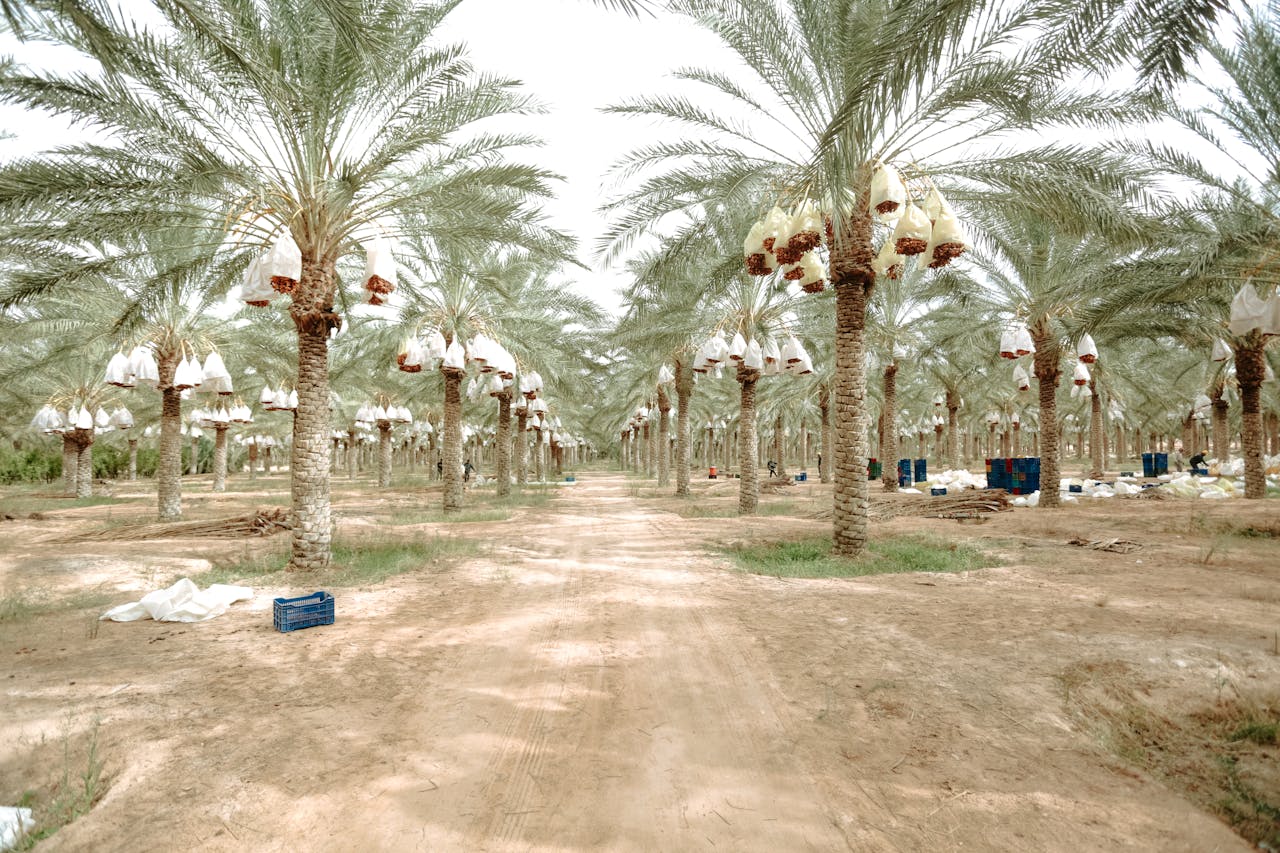
Soil type significantly influences tree health and growth, requiring proper evaluation before planting. Different tree species thrive in specific soil conditions, making soil assessment vital for successful planting. Choosing trees based on soil type and water availability is crucial for their successful growth and longevity.
Mulching around trees helps retain soil moisture, suppress weeds, and protect tree roots from temperature extremes. Managing soil health through proper fertilization and moisture retention can strengthen trees’ natural defenses against pests and diseases.
Soil Type Compatibility
Trees perform best in specific soil types such as sandy, clay, loam, and chalky soils, each requiring unique care for optimal health. For instance, apple trees thrive in well-drained soil with full sun exposure, while other fruit trees like cherries have distinct needs. Assessing soil involves checking its texture, structure, and penetration resistance to ensure it supports healthy tree growth.
Choosing trees that tolerate the specific soil type in your garden will enhance their growth and productivity. Proper soil compatibility ensures trees receive the necessary nutrients and water to thrive.
Water Needs
In dry climates, water scarcity challenges tree growth, necessitating specialized irrigation techniques. Trees often face insufficient water and higher evaporation rates, affecting their growth and survival. During winter, occasional deep watering is necessary to maintain tree health, especially in dry conditions, despite dormancy.
Choosing trees suited to local rainfall and water availability maintains their health and reduces irrigation needs. Understanding local water availability helps select tree species that can thrive in specific moisture conditions. River Birch, for example, is known for thriving in both wet and dry conditions, making it a versatile shade tree option.
Fruit trees have varying sunlight and water requirements, which must be tailored to their specific cultivars. Trees require matching soil textures; sandy soils drain quickly but hold less water, while clay soils retain moisture but may become waterlogged. Some trees need more water, while others need less; choose trees that match local rainfall.
Space and Size Considerations
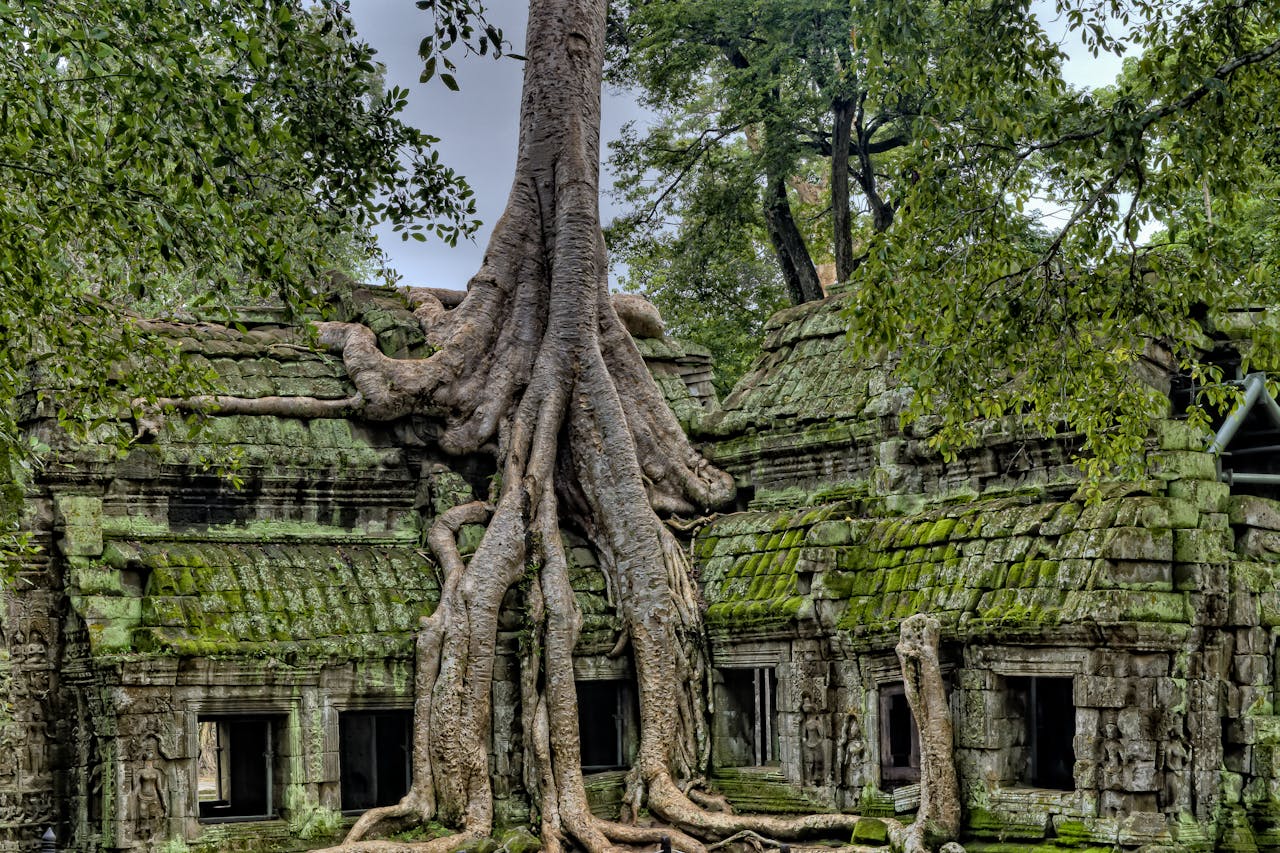
Understanding the mature height of trees is crucial for proper placement to ensure they thrive without crowding other plants or structures. Selecting the right size and type of trees helps avoid conflicts with nearby structures and infrastructure.
Proper planning and the right place ensure trees have enough space to grow and develop fully, without causing issues later on.
Small vs. Large Trees
Smaller trees are ideal for urban environments or small gardens because:
They require less space.
They fit into tighter spaces.
They are often better suited for urban areas with overhead power lines.
They are easier to manage.
They generally require less maintenance compared to larger trees.
In contrast, larger trees may require more extensive care and space, making them less suitable for constrained urban settings. However, they provide significant environmental benefits such as increased shade, improved air quality, and better stormwater management.
Space Planning
Space planning is critical to ensure trees grow without overcrowding or competing for resources. Choose trees that fit within the available space. Fruit trees often come in dwarf, semi-dwarf, and standard sizes; select the type that fits your space.
Proper space planning creates a well-organized and aesthetically pleasing garden that supports healthy growth of trees and other plants. Mapping out the area and considering the mature size of trees ensures a harmonious sort and thriving landscape.
Growth Rate
Some trees grow rapidly, while others grow slowly. Fast-growing trees are generally weaker and have shorter lives, while slow-growing trees tend to be stronger and live longer. Fast-growing trees provide quick shade or fruit but have shorter lifespans.
Understanding the growth rate of different tree species helps make informed planting decisions. While fast-growing trees provide quick benefits, slow-growing trees offer long-term stability and strength, making them valuable additions to any garden.
Selecting Trees for Specific Purposes
Selecting the appropriate tree species is crucial for maximizing benefits like shade, privacy, and energy savings based on available space. Consider how to find their intended use, such as providing shade, producing fruit, or enhancing aesthetic appeal.
Larger trees provide significant shade and environmental benefits but may require more extensive planning for placement.
Shade Trees
Popular fast-growing shade trees include:
Red Maple and Silver Birch, known for their dense foliage
Eastern Redbud and Crape Myrtle, which also grow quickly and provide ample shade
Northern Red Oak, prized for its rapid growth and adaptability to urban environments
Slower-growing shade trees like Maple and Linden grow slowly but provide wide shade over a longer period. These trees are ideal for long-term landscaping projects aiming to create a stable and enduring canopy.
Fruit Trees
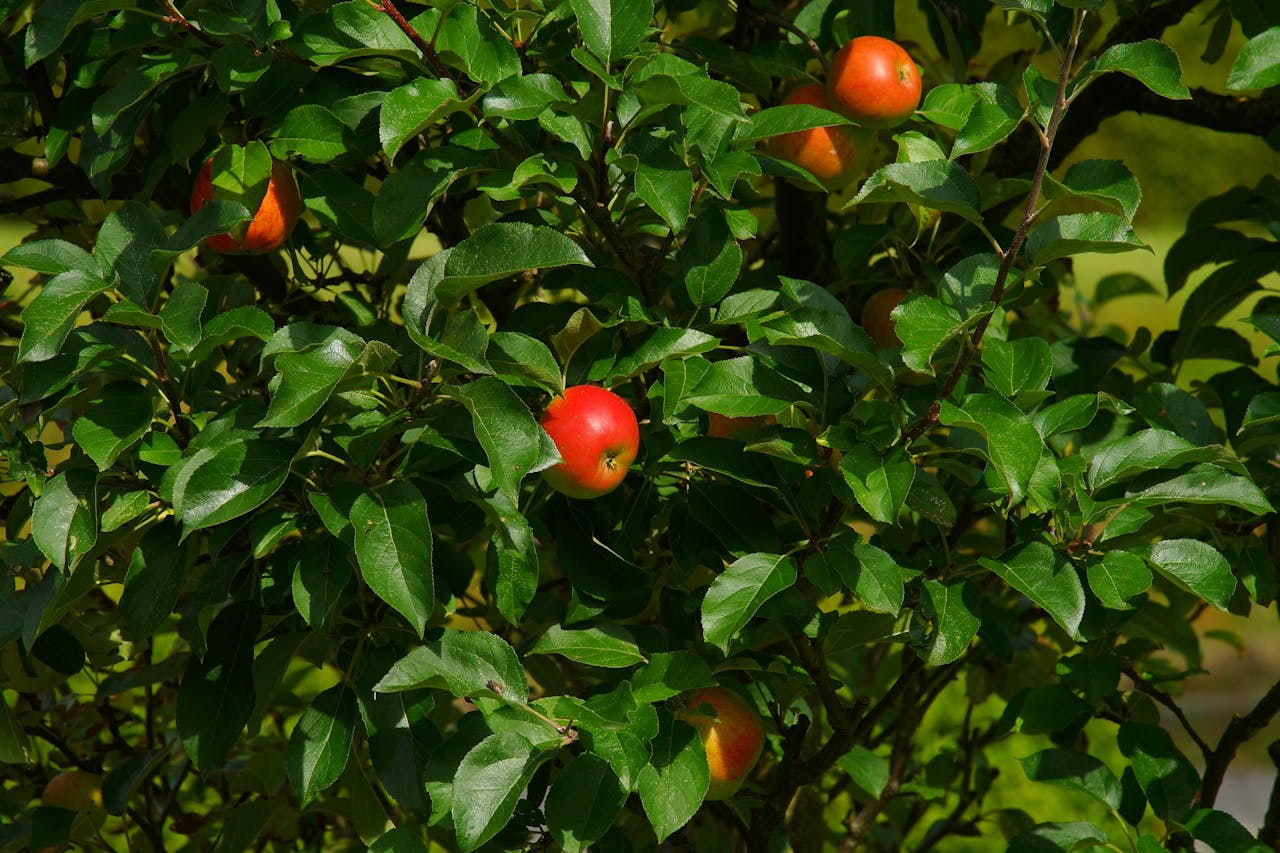
Planting fruit trees like apple or pear provides both food and aesthetic value to landscapes. Fruit trees require proper care and management for a bountiful harvest. Citrus trees, for example, thrive in warm climates and prefer well-drained soil for optimal fruit production.
Fruit trees can be a rewarding addition to any garden, offering the dual benefits of beauty and productivity. By selecting the right varieties and providing the necessary care, you can enjoy fresh fruit right from your backyard.
Ornamental Trees
Ornamental trees are typically selected for their unique foliage, flowers, and overall appearance in gardens and landscapes. Trees chosen for their beauty, such as Dogwoods and Magnolias, can significantly enhance the visual appeal of landscapes. Japanese Maples are valued in landscaping for their striking colors and delicate leaf shapes.
Ornamental trees are an excellent choice for those looking to add aesthetic value to their garden. With their vibrant foliage and beautiful blooms, they can transform any space into a picturesque setting.
Long-term Care and Maintenance
For trees to thrive long-term, consistent care that includes watering, fertilizing, and mulching is essential. Transplant shock commonly affects newly planted trees for 2-3 years, making proper care crucial during this stage.
Long-term care is critical for maintaining tree health and ensuring consistent growth over time.
Pruning and Trimming
Regular pruning can help to remove dead or diseased branches, improving the overall health of the tree. Pruning not only encourages healthy growth but also improves air circulation and light penetration within the tree. Using appropriate pruning techniques is crucial for promoting healthy growth and shaping trees.
Using clean, sharp tools during pruning reduces the risk of injury to the tree and promotes quicker healing at the cut sites. Properly pruned young trees will need less care as they mature.
Pest and Disease Management
Regular inspections of trees can identify early signs of pest infestations, allowing for timely interventions. Conducting regular inspections of trees for signs of pests or diseases helps in early detection, enabling more effective treatment. Identifying tree health issues can be challenging due to regional variations in pests and diseases.
Consulting a certified arborist can provide guidance on pest control and treatment options for affected trees. Implementing integrated pest management strategies helps minimize environmental impact while effectively controlling tree pests.
Summary
Choosing the best trees for your climate zone requires a comprehensive understanding of your local environment, including climate zones, growing seasons, degree days, soil compatibility, and water needs. By selecting trees that match these conditions, you can ensure their successful establishment and long-term growth.
From temperate to dry and polar climates, each environment presents unique challenges and opportunities for tree cultivation. By following the guidelines provided in this guide, you can create a thriving and beautiful landscape that will bring joy and benefits for years to come. Happy planting!
Frequently Asked Questions
How do I determine my climate zone for tree planting?
To figure out your climate zone for tree planting, check out the USDA climate zone map or the Köppen-Geiger climate classification. This will help you choose the best trees for your area!
What are degree days, and why are they important for tree growth?
Degree days tally up heat over time and are super important for figuring out tree growth and when to plant them. They help you pinpoint the best times for optimal growth and fruiting.
How do I calculate degree days?
To calculate degree days, average the daily high and low temperatures, then subtract the base temperature for your specific plant. Just keep a running total, and you'll have your degree days in no time!
What soil type is best for fruit trees?
Well-drained, loamy soil is generally the best bet for fruit trees, as it allows for good drainage and nutrient retention. Just make sure to give them plenty of sunlight too!
How can I manage pests and diseases in my trees?
To keep pests and diseases in check, make sure to regularly inspect your trees, consult a certified arborist when needed, and use integrated pest management strategies. This way, you can protect your trees and the environment at the same time!


