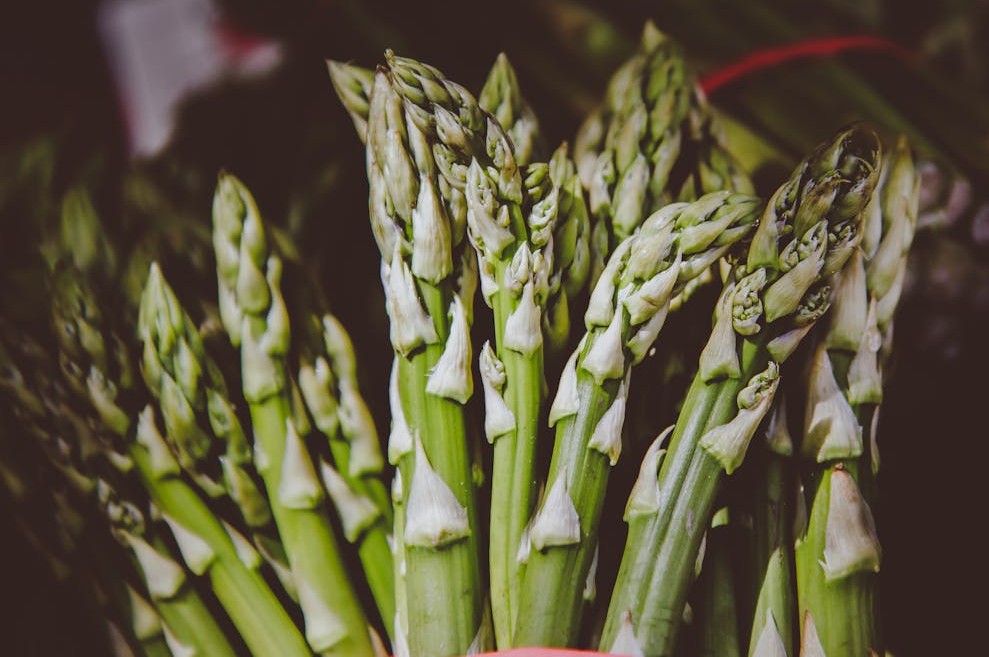
The Best Edible Perennials for a Thriving Garden Year After Year
Edible Perennials: Best Perennial Vegetables for a Food Forest
Introduction
Edible perennials are the cornerstone of sustainable, long-term food production in any food forest or perennial garden. For gardeners interested in food forests or perennial gardening, understanding which perennial vegetables to grow—and why they matter—can transform your landscape into a resilient, productive ecosystem. This article covers the best perennial vegetables for temperate food forests, including asparagus, rhubarb, globe artichoke, Jerusalem artichoke (sunchoke), perennial kale, sea kale, Good King Henry, sorrel, perennial alliums, groundnut, and horseradish. Edible perennials include not only vegetables but also herbs such as thyme, rosemary, and oregano.
Edible perennials are plants that survive multiple winters and regrow season after season without replanting. Perennial vegetables are defined as plants that grow for three or more years and provide an edible harvest year after year. Perennial crops, in general, are plants that grow for three or more years and provide an edible harvest year after year. In contrast, annual crops complete their life cycle in one growing season, dying after they produce seeds, while perennial crops can survive the winter and produce a crop the following year. Many common vegetables are annuals or biennials, which only produce a good crop in their first year.
Edible perennials matter because they offer long-term productivity, sustainability, and ecological benefits. They reduce yearly labor, improve soil health, and provide harvests for a decade or more with minimal replanting. This guide is designed for gardeners seeking to maximize food forest productivity, minimize maintenance, and create a resilient, self-sustaining edible landscape. Edible perennial gardening is an economical and effort-saving way to grow delicious crops.
Key Takeaways
Edible perennials like asparagus, rhubarb, artichokes, and Jerusalem artichokes return year after year, forming the productive backbone of any food forest with minimal replanting effort.
Each featured crop thrives in specific USDA hardiness zones with particular sun, soil, and moisture requirements—matching plant to place is essential for long-term success.
Deep-rooted perennial vegetables improve soil fertility, increase drought resilience, and can produce harvests for 10–20+ years once established.
Mixing different perennials creates staggered harvests from early spring through late fall, maximizing your food forest’s productivity across seasons.
Later sections cover layered food forest design, companion planting strategies, establishment care, and practical answers to common questions about growing perennials.
Why Edible Perennials Belong in Every Food Forest
Edible perennials are plants that survive multiple winters and regrow season after season without replanting. Perennial vegetables are defined as plants that grow for three or more years and provide an edible harvest year after year. A food forest—a layered, permaculture-inspired ecosystem mimicking natural woodland structure—relies on these backbone crops to anchor its herbaceous, root, and shrub layers. Together, they create a self-regenerating garden that matures over years rather than months.
Annual crops complete their life cycle in one growing season, dying after they produce seeds, while perennial crops can survive the winter and produce a crop the following year. This fundamental difference means perennial edibles offer a rhythm of production that compounds over time, trading the immediacy of annuals for decades of reliable harvests.
Reduced yearly labor: Unlike annual vegetables that demand tilling, seeding, and replanting each season, perennial crops need only mulching, occasional pruning, and patient attention. Some permaculture data suggests 50–70% labor reductions compared to annual systems.
Ecological benefits: Perennial roots store carbon deep in the soil—up to 20–30% more than annual crops according to agroecology studies. They control erosion, build organic matter, and provide habitat for beneficial insects and soil microbes.
Perennials versus annuals: Annual crops like lettuce or tomatoes offer quick harvests but require constant inputs. Perennial edibles trade that immediacy for decades of production—a different rhythm, but one that compounds over time.
What we’ll cover: We'll explore asparagus, rhubarb, globe artichoke, and Jerusalem artichoke in depth, plus other reliable choices like perennial kale, sea kale, sorrel, and perennial alliums for temperate gardens.
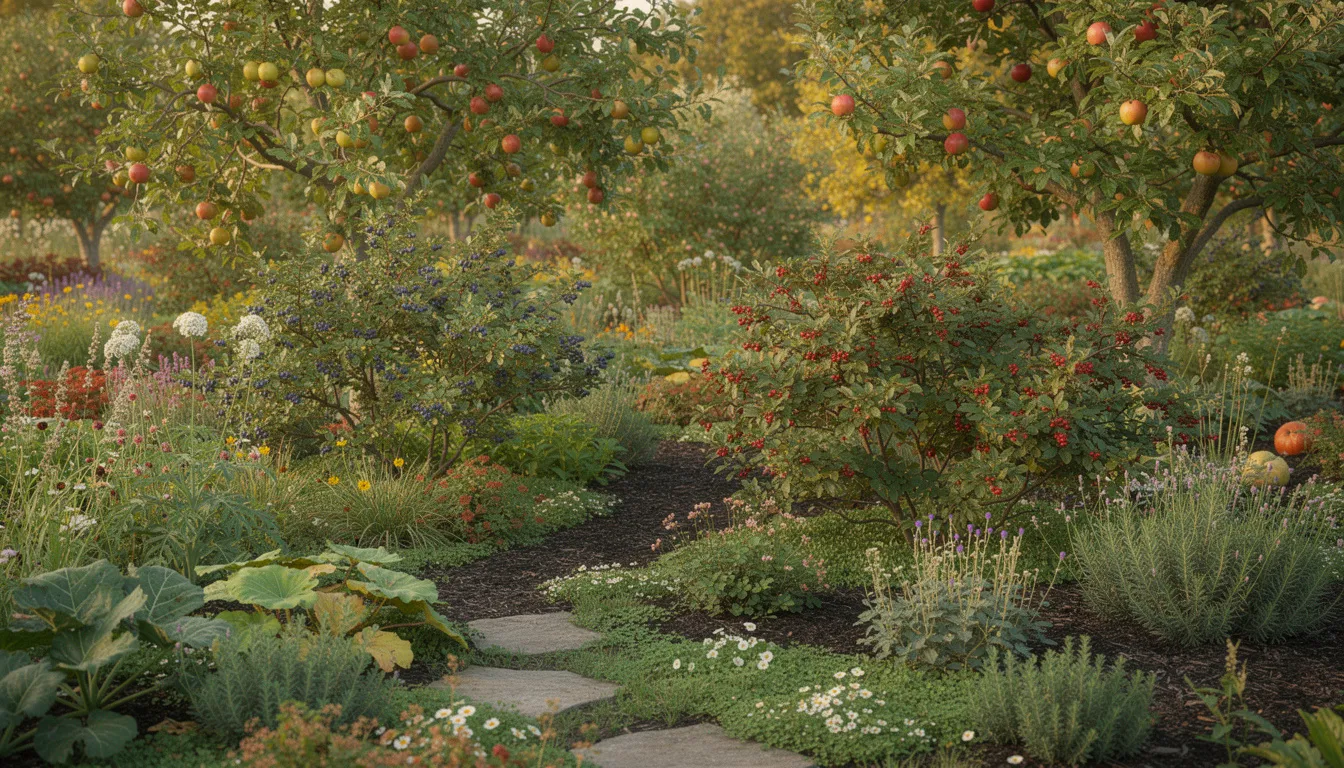
Benefits of Perennial Vegetables in a Food Forest
In a layered food forest system—where canopy trees, understory shrubs, herbaceous perennials, groundcovers, root crops, and vines all work together—perennial vegetables play essential roles at multiple levels.
Time savings that compound: Once established, many perennials produce for 10–20+ years with just seasonal maintenance. Asparagus crowns can yield for two decades; rhubarb often outlasts the gardener who planted it.
Built-in resilience: Deep roots reaching 6–10 feet access water and nutrients unavailable to shallow-rooted annuals. This makes perennial plants far more tolerant of drought and erratic weather.
Extended harvest seasons: Some perennials are among the earliest spring harvests—asparagus spears and sorrel leaves appear when the ground is barely thawed. Others, like sunchokes, offer tubers well into late fall and winter.
Soil and ecosystem health: Perennial beds reduce disturbance, allowing mycorrhizal networks to flourish and soil structure to improve year after year. Continuous cover means less erosion and more habitat for soil life.
Diversity of edible parts: A well-designed food forest offers young leaves, young shoots, flower buds, edible flowers, tubers, and stems harvested at different times throughout the growing season.
Asparagus: Classic Spring Spear of Temperate Food Forests
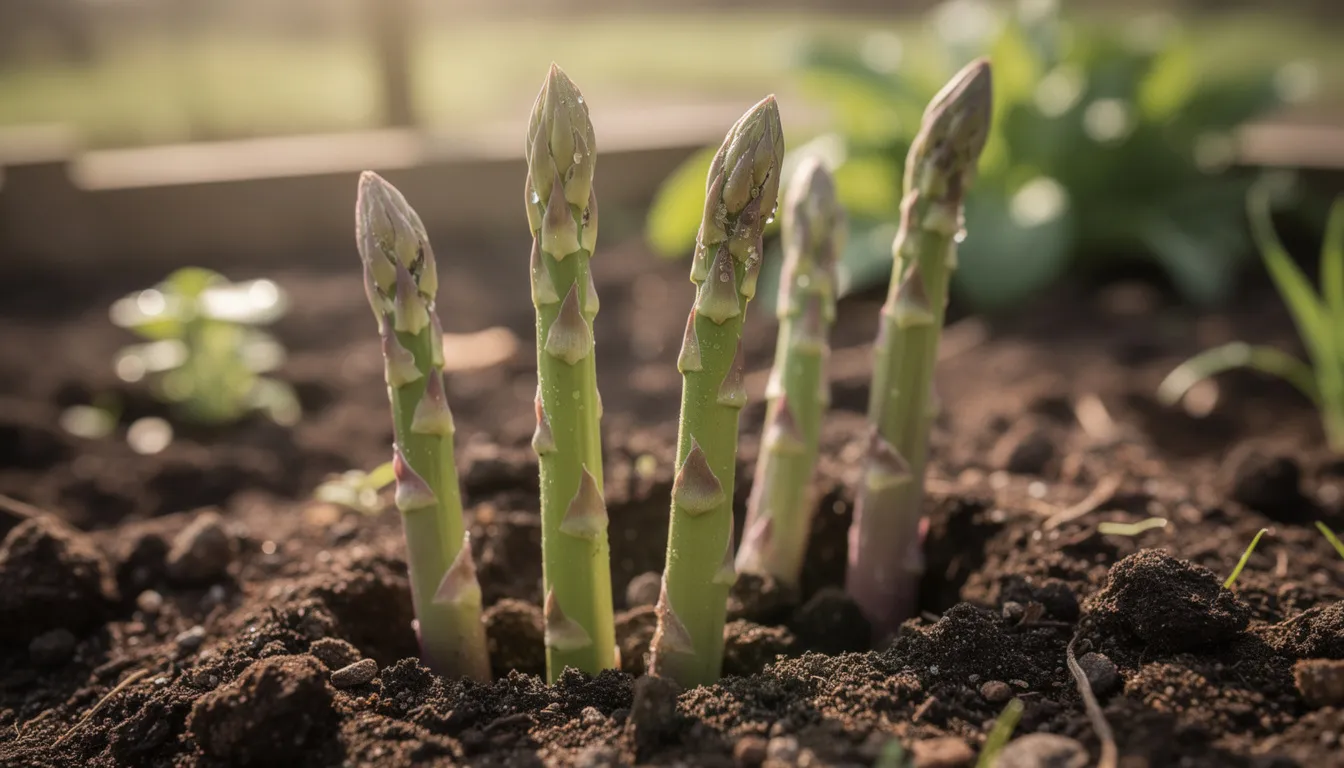
Asparagus (Asparagus officinalis) stands as perhaps the most beloved perennial vegetable in temperate gardens. When well-sited, a healthy asparagus bed can yield tender spears for 15–20 years or more—a long-term investment that pays dividends every spring.
Climate range: Asparagus thrives in cool to temperate climates, roughly USDA zones 3–8. It’s remarkably hardy, tolerating winter lows to -50°F. However, in zones 9–10, it struggles without sufficient winter chill (8–10 weeks below 45°F) to break dormancy.
Sun and soil requirements: This crop demands full sun—6–8 hours daily for maximum spear production. Soil should be deep, well-drained sandy loam or loamy ground at a soil pH of 6.5–7.5, enriched with 2–4 inches of compost annually. Poor drainage invites root rot.
Food forest placement: Position asparagus in a sunny herbaceous layer or along edges where its tall summer ferns (reaching 6–9 feet) won’t shade smaller crops. The ferns turn ornamental yellow in fall and provide bird habitat.
Establishment timeline: Plant 1–2-year-old crowns in early spring trenches 6–8 inches deep, spaced 12–18 inches apart. Harvests should be minimal in years 1–2 to allow roots to establish. You can begin harvesting fully from year 3 onward.
Maintenance needs: Apply 4–6 inches of organic mulch like straw to suppress weeds and retain moisture. Cut back dried ferns in late fall or late winter. Keep beds weed-free—competition can halve your yields.
Yield and harvest window: Expect to harvest from mid-spring through early summer, with mature crowns producing 0.5–1 pound weekly for 8–12 weeks. Stop cutting when spears thin to pencil diameter to preserve the plant’s vigor for next season.
Rhubarb: Hardy Perennial for Cool and Moist Corners
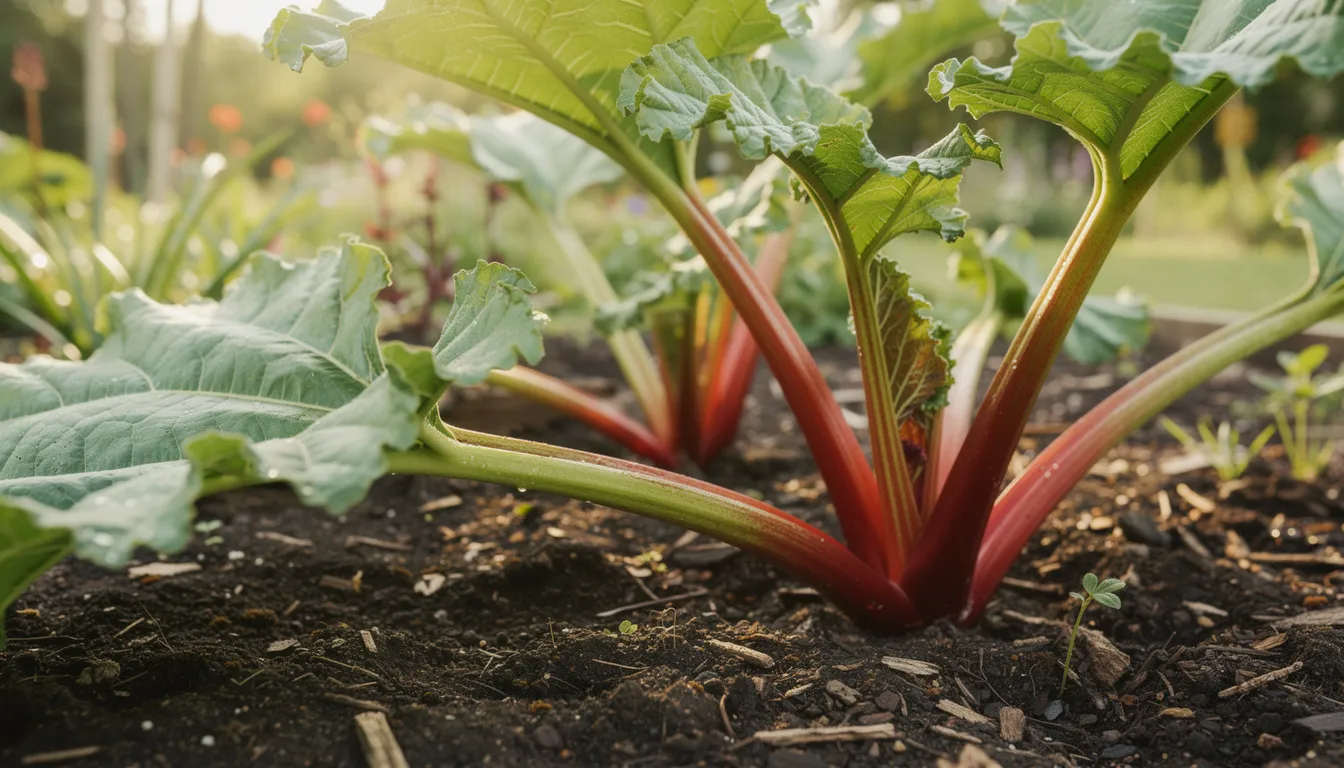
Rhubarb (Rheum × hybridum) produces those distinctive tart stalks beloved in pies, sauces, and preserves. As a hardy perennial, it can persist 20+ years in the right spot, with crowns eventually expanding to 4 feet wide.
Ideal climate: Rhubarb thrives in cool to cold climates, performing best in USDA zones 3–7. It requires 800–1,000 chilling hours and struggles in hot, humid summers (zones 8+) unless given afternoon shade and consistent moisture.
Light and placement: In cooler regions, full sun (6+ hours) produces the best stalks. In warmer zones, provide light afternoon shade to prevent scorching. Rhubarb works well in the herbaceous layer along paths or near compost areas where moisture accumulates.
Soil conditions: Deep, fertile, moisture-retentive yet well-drained loams suit rhubarb best. Amend with manure at 5–10 pounds per plant yearly; aim for a soil pH of 5.5–6.8. Waterlogged ground promotes crown rot and should be avoided.
Safety note: Only the stalks are edible. Rhubarb leaves contain 0.5–1% oxalic acid, which is toxic and should never be eaten. Always twist or cut stalks cleanly, discarding the leaves to the compost pile.
Care and division: Mulch heavily (6 inches) with compost for weed control and soil fertility. Divide crowns every 5–10 years if they become crowded. Avoid heavy harvest in years 1–2 to let the plant establish strong roots.
Harvest timing: Stalks can be picked from mid-spring through early summer by twisting 12–18 inch long stalks cleanly from the crown. Stop harvesting when growth slows and red color fades to green, allowing the plant to rebuild reserves for next year.
Globe Artichoke: Architectural Edible for Mild Climates
Globe artichoke (Cynara cardunculus var. scolymus) brings drama to any edible landscape. Its silvery-gray foliage reaches 3–5 feet, and those prized flower heads—harvested as immature buds—make it both ornamental and productive.
Climate requirements: Globe artichoke performs as a true perennial in mild, Mediterranean-type climates (USDA zones 7–10). In colder zones, it survives as a short-lived perennial or biennial with winter protection, or can be grown as an annual.
Sun and temperature preferences: This crop demands full sun (8+ hours) and good air circulation. It dislikes extreme heat combined with humidity, which fosters verticillium wilt, and poorly drained soil that causes crown rot.
Soil needs: Rich, deep, well-drained soil with steady moisture produces the best flower buds. Amend with compost generously and consider raised beds in heavy clay areas to ensure excellent drainage.
Food forest role: Place globe artichokes in sunny, open herbaceous or low shrub layers as focal points. Their 3–5 foot height and spread makes them dramatic anchors, but position them carefully so they don’t overshadow smaller perennials.
Harvest technique: Cut buds when tight and before bracts begin opening. Harvest the main central bud first, then collect 10–12 smaller side buds over summer. Expect 6–12 buds per plant in a good season.
Overwintering strategies: In colder areas (zone 6 and below), mulch crowns deeply with straw after frost. Alternatively, treat artichokes as annuals by starting new plants from seeds or divisions each year. The variety ‘Imperial Star’ offers improved cold tolerance.
Jerusalem Artichoke (Sunchoke): Abundant Tubers for the Root Layer
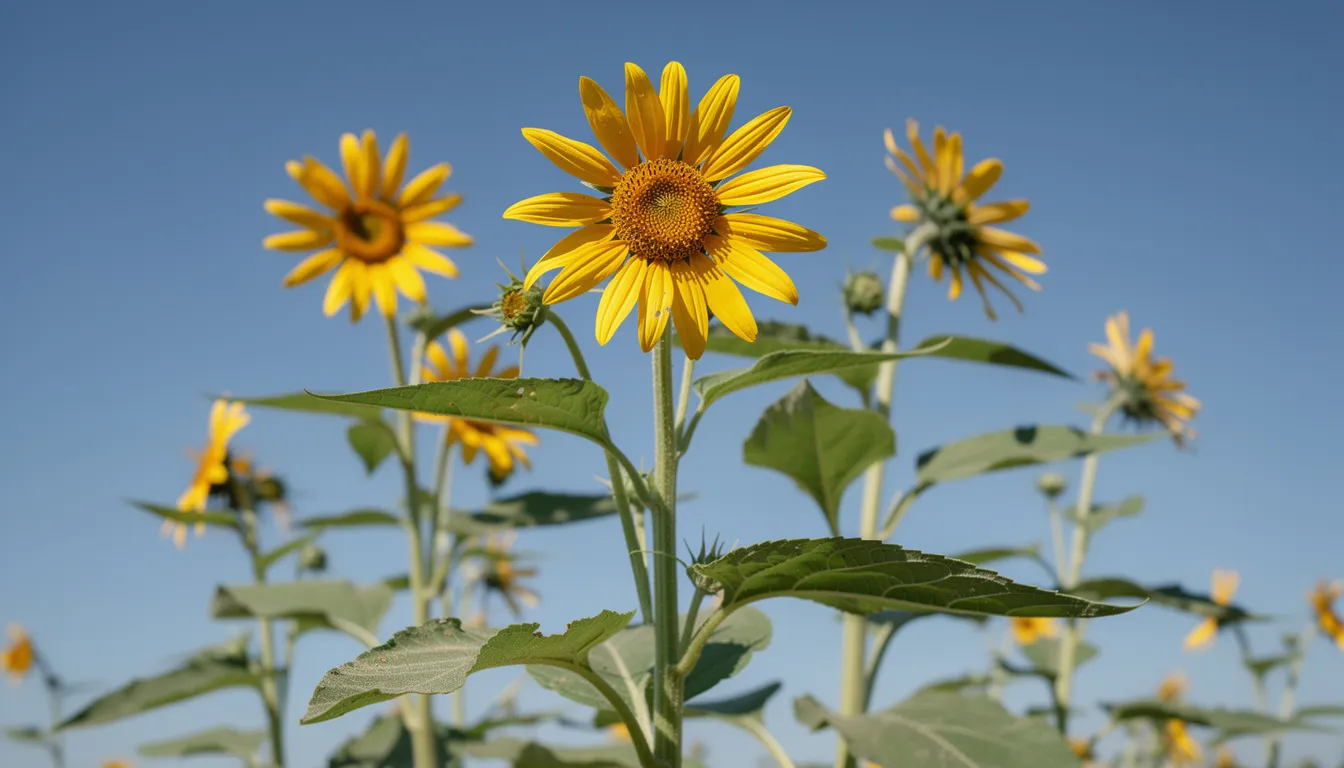
Despite its name, Jerusalem artichoke (Helianthus tuberosus) isn’t an artichoke at all—it’s a North American native sunflower relative producing abundant, nutty-sweet tubers. This vigorous crop fills the root layer of a food forest with remarkable productivity.
Climate adaptability: Sunchokes are among the most adaptable perennial crops, hardy across USDA zones 3–9. They handle cold winters to -30°F and hot summers with ease, asking only that soil not remain waterlogged.
Light and height: Full sun drives best production, sending tall stems 6–10 feet high topped with cheerful yellow autumn flowers that attract bees and other pollinators. This height makes Jerusalem artichoke useful as a seasonal windbreak or back-of-bed screen.
Soil preferences: While sunchokes grow in a wide range of soil types, loose, well-drained loam yields the best and most easily harvested tubers. Heavy clay can make digging frustrating, though plants will still produce.
Spread warning: This plant is often considered invasive for good reason. Any tuber left in the ground resprouts vigorously. Confine plants with root barriers 18–24 inches deep, dedicate a permanent patch at the edge of your garden, or grow in large containers.
Harvest timing: Tubers sweeten after frost, making late fall through early spring (November–March) the ideal harvest window. Leave 20–30% of tubers in the ground for next year’s crop. They store best left in the soil or in cool, moist sand indoors.
Culinary considerations: Sunchoke tubers contain up to 20% inulin (a type of fiber) by fresh weight. While nutritious, this can cause digestive discomfort for some people. Start with small servings until you know your tolerance. Use like potatoes in roasting, or slice raw for a jicama-like crunch in salads and stir fry.
Other Reliable Edible Perennials for Temperate Food Forests
Beyond the core crops above, several additional perennial edibles deserve consideration for temperate food forests. Many of these plants provide parts you can eat, such as leaves, shoots, flowers, or tubers. Each offers unique advantages and fills different niches in a layered garden system.
Perennial Kale
Climate: Hardy in zones 6–9.
Growth: Reaches up to 6 feet with woody stems.
Harvest: Produces kale-like young leaves year-round in mild winters.
Light: Prefers full sun to light shade.
Soil: Fertile soil; lives 5–10+ years with superior flavor to annual kales.
Sea Kale
Climate: Thrives in zones 4–8.
Growth: Sea kale is a member of the brassica family and is a coastal-hardy, clump-forming perennial brassica.
Harvest: All parts of this perennial are edible, including blanched shoots, leaves, and broccoli-like flower heads.
Light: Prefers full sun.
Soil: Tolerates salt and poor soils if drainage is excellent; deep taproots make it drought-tolerant once established.
Good King Henry
Climate: Zones 3–9.
Growth: Old European perennial.
Harvest: Offers spinach-like leaves and asparagus-like young shoots in cool climates.
Light: Prefers full sun.
Soil: Rich soil; worthy addition to the herbaceous layer.
Sorrel
Climate: Zones 4–9. Thrives in cool weather and is well-suited to cooler climates or seasons.
Growth: Hardy leafy perennial.
Harvest: Delivers tangy, lemony leaves as one of the earliest spring harvests.
Light: Tolerates full sun to partial shade.
Soil: Moist soil conditions; remains productive for years with minimal care.
Perennial Alliums
Climate: Zones 3–9.
Growth: Includes walking onions (Allium proliferum), Welsh onions (A. fistulosum), and garlic chives (A. tuberosum).
Harvest: Provide year-round onion and garlic flavor with almost no maintenance.
Light: Sun-loving.
Soil: Tolerate varied soil types; potato onions (A. cepa var. aggregatum) offer multiplying bulbs.
Groundnut
Climate: Zones 3–9.
Growth: Native nitrogen-fixing vine.
Harvest: Produces protein-rich tubers (about 18% protein by weight) with a potato-like texture.
Light: Prefers moist, slightly acidic soil and partial sun.
Soil: Climbs trees and shrubs; historically foraged by Native Americans.
Horseradish
Climate: Hardy perennial.
Growth: Robust, spreads vigorously through its root system.
Harvest: Grown for its pungent, spicy taproot, typically harvested in late fall or early spring.
Light: Prefers full sun.
Soil: Well-drained but adaptable to many soil conditions; best planted in a dedicated area or contained to prevent spreading.
Use: Adds a sharp, spicy kick to sauces, dressings, and other recipes.
Designing a Perennial Food Forest with Edible Vegetables
The featured perennials connect naturally to the layered design philosophy of a food forest—canopy trees, understory shrubs, herbaceous plants, groundcovers, root crops, and vines working together as an interconnected system.
Strategic placement by layer: Position asparagus and rhubarb in sunny herbaceous zones where they won’t be shaded by taller fruit trees. Jerusalem artichokes work as tall seasonal screens at back edges. Globe artichokes serve as dramatic focal points in open areas.
Spacing and root competition: Deep-rooted perennial vegetables need room to access nutrients and water without competing directly with heavy-feeding trees. Allow 3–5 feet between perennial vegetable patches and tree drip lines to maintain good yields.
Light management: Most perennial crops covered here prefer full sun—6–8 hours daily. Avoid placing them beneath dense canopies. The herbaceous layer should occupy sunny clearings or edges where light penetrates freely.
Succession of harvests: Design your food forest so different perennials peak at different times. Early spring brings asparagus spears and sorrel leaves; summer offers globe artichoke buds and perennial kale; autumn delivers sunchoke tubers and late greens.
Companion nitrogen-fixers: Include nitrogen-fixing plants near heavy feeders. Ground covers like clover, shrubs like goumi berry (a non-invasive relative of autumn olive,) or groundnut vines help feed demanding crops like artichokes and rhubarb without synthetic inputs.
Climate, Hardiness, and Site Selection
Matching the right perennial to your climate and microclimate determines whether a plant merely survives or genuinely thrives over decades.
Understanding USDA zones: Hardiness zones indicate average minimum winter temperatures, helping predict which perennials survive your coldest months. They’re a starting point, not a guarantee—local conditions matter enormously.
Cold-hardy versus warmth-loving: Asparagus, rhubarb, Jerusalem artichoke, and sorrel rank among the hardiest choices, thriving into zone 3. Globe artichoke prefers zones 7–10 and needs protection or annual replanting in colder rural areas. Some perennial kales and groundnut also struggle in the coldest zones.
Microclimate effects: South-facing walls, frost pockets, wind exposure, and urban heat islands can shift effective conditions by about half a zone in either direction. A sheltered spot against a warm wall might allow tender artichokes to overwinter in zone 6.
Start small, expand thoughtfully: Begin with 2–3 perennial crops best suited to your zone and site conditions. Observe how they perform over a few years before expanding variety. Local experience teaches lessons no book can provide.
Summary of main crops:
Asparagus: Zones 3–8, full sun, well-drained loamy soil, pH 6.5–7.5
Rhubarb: Zones 3–7, full sun to part shade, moist fertile soil, pH 5.5–6.8
Globe artichoke: Zones 7–10, full sun, rich well-drained soil, pH 6.5–7.5
Jerusalem artichoke: Zones 3–9, full sun, loose well-drained loam, pH 6.0–7.5
Sorrel: Zones 4–9, sun to part shade, moist soil
Perennial kales: Zones 6–9, full sun to light shade, fertile soil
Establishing and Maintaining Edible Perennials
While perennial crops are famously low maintenance over the long term, they need attentive care during their first 1–3 years to develop the strong root systems that support decades of harvests.
Planting Methods
Use crowns for asparagus and rhubarb (faster establishment).
Root divisions for Jerusalem artichoke and Good King Henry.
Seeds or nursery starts for artichokes and perennial kales. Each approach has its rhythm.
Soil Preparation
Before planting, loosen soil 12–18 inches deep using a broadfork rather than tilling to preserve soil structure.
Incorporate 20–40% compost or well-rotted organic matter into the planting area.
Mulching
Apply 4–6 inches of straw, leaves, or wood chips around (not against) crowns and stems.
This suppresses weeds, conserves moisture, moderates soil temperature, and feeds soil life as it decomposes.
Watering
Provide consistent moisture during the first growing season while roots develop.
Once established (typically after 1–2 years), transition to deep, infrequent watering—especially important during dry summer stretches.
Long-term Care
Periodically divide clump-forming plants like rhubarb and chives.
Cut back old growth seasonally.
Top-dress with compost or well-rotted manure each year rather than relying on synthetic fertilizers.
These simple practices sustain productivity for decades.
Harvesting Edible Perennials Without Harming the Plant
Conservative harvesting, especially in early years, ensures your perennial vegetables remain productive for generations rather than years. The roots need sufficient leaf area to photosynthesize and store energy for future growth.
Harvest Timing
The patience of years 1–2: Avoid harvesting heavily (or at all) in the first year for crops like asparagus and rhubarb. Light harvests in year 2 are acceptable, but full production begins in year 3 for most perennial veggies.
Harvest Guidelines
The 25–30% guideline: For leafy perennials like sorrel, perennial kale, and Good King Henry, avoid removing more than about one-quarter to one-third of the plant’s foliage at any one time. The remaining leaves keep the plant energized.
Managing tuberous crops: For Jerusalem artichoke and groundnut, always leave some tubers in the ground—20–30% is a good rule—or deliberately replant a portion to maintain the patch for future seasons.
Reading plant vigor: Smaller, weaker stems or reduced leaf size signals that harvest pressure, competition from other plants, or nutrient stress is too high. Back off harvesting and address underlying issues.
Stagger harvests across multiple plants: Rather than stripping one plant, take a little from several. This spreads the photosynthetic load and supports the food forest as a whole system rather than isolated individuals.
Frequently Asked Questions about Edible Perennials
Can I grow edible perennials in containers if I don’t have a yard?
Several perennial crops adapt well to container culture. Rhubarb thrives in large tubs (20+ gallons), and globe artichokes, sorrel, garlic chives, and Welsh onions all perform reasonably in pots with adequate drainage. Very deep or aggressively spreading root crops like Jerusalem artichokes are less suitable unless you’re prepared for vigorous management—large containers or half-barrels can work if you harvest thoroughly each fall.
How long do I have to wait before harvesting asparagus and rhubarb?
Asparagus requires the most patience: harvest lightly or not at all in years 1–2, with full harvesting beginning in year 3 when crowns have built substantial root reserves. Rhubarb establishes faster—you can take a light harvest (a few stalks only) in year 2 and begin normal harvesting in year 3. This investment in early restraint pays off with stronger, more productive plants for decades afterward.
Are there edible perennials that tolerate partial shade?
Yes, though yields typically decrease compared to full sun locations. Sorrel handles partial shade well and produces tangy leaves even in dappled light. Some perennial kales, Good King Henry, and perennial alliums like chives also tolerate less than ideal sun. Rhubarb actually benefits from afternoon shade in warmer climates (zones 7+) to prevent heat stress.
Do I need to fertilize perennial vegetables every year?
Most established perennials require less fertilization than annual vegetables. Annual top-dressing with compost or well-rotted manure—1–2 inches around the base—provides sufficient nutrients for most crops. Heavy synthetic fertilization is generally unnecessary and can even promote weak, disease-prone growth. Deep roots access nutrients unavailable to annuals, making perennial systems more self-sufficient once mature.
How do I keep aggressive perennials like Jerusalem artichokes from taking over?
Containment requires planning. Use dedicated beds at garden edges where spreading matters less, install root barriers 18–24 inches deep around patches, or grow in large containers sunk into the ground. Harvest thoroughly each fall, removing as many tubers as practical while leaving just enough for next year’s crop. Regular vigilance to dig stray shoots in spring prevents gradual takeover of adjacent areas.


