
Permaculture: A Simple Guide to Sustainable Living
Permaculture: A Simple Guide to Sustainable Living
Permaculture is a sustainable design system that aims to mimic the interrelated patterns found in nature to create productive and regenerative landscapes. This article will delve into the core ethics, principles, and practical applications of permaculture, meaning it can transform your approach to sustainable living.
Key Takeaways
Permaculture blends natural ecosystem principles with sustainable living, enhancing productivity and biodiversity while promoting community well-being.
Key elements of permaculture include healthy soil, efficient water management, and diverse plant systems, all working together to create resilient environments.
Implementing permaculture practices in urban and rural settings fosters sustainable food production, restores ecosystems, and supports long-term environmental health.
Understanding Permaculture

At its core, permaculture is an approach to land management and settlement design that seeks to mimic the patterns and relationships found in natural ecosystems. Integrating these natural principles into our lives allows us to create sustainable and regenerative systems benefiting both people and the planet. The beauty of permaculture lies in its adaptability and inclusivity; it is a philosophy that can be applied to gardens, farms, urban spaces, and even businesses.
A key aspect of permaculture is its focus on the placement and interaction of elements within a system. Strategically positioning plants, animals, water sources, and other components maximizes their benefits, creating a more efficient, self-sustaining environment. This holistic approach not only enhances productivity but also promotes biodiversity and resilience against environmental stressors.
As we delve deeper into the ethics and principles of permaculture, you’ll discover how these concepts can transform your approach to gardening and beyond.
The Ethics of Permaculture
Permaculture is guided by three core ethical principles:
Caring for the Earth: involves maintaining healthy soil, protecting natural habitats, and fostering biodiversity to create a thriving ecosystem where plants, animals, and humans can coexist harmoniously.
Caring for people: prioritizes social equity and ensures actions benefit the broader community.
Sharing the surplus: emphasizes distributing excess resources to support sustainability and community well-being.
These ethics prioritize sustainability and social equity, ensuring that our actions benefit not only ourselves but also the broader community and the environment.
Caring for people involves meeting our basic needs in a way that is sustainable and equitable. This means designing systems that provide food, shelter, and other resources without depleting the Earth’s natural wealth.
Sharing the surplus encourages us to distribute the abundance we create, whether it’s food, knowledge, or other resources, to support others and build strong, resilient communities. These ethical principles form the foundation of permaculture and guide all design decisions, ensuring that our actions contribute to a more sustainable and just world.
Principles of Permaculture Design
Permaculture design is rooted in twelve principles that emphasize whole-systems thinking and mimic natural processes. These principles guide us in creating efficient, resilient, and sustainable systems that work in harmony with the environment. For example, one principle is to observe and interact with nature, learning from the natural patterns and dynamics of ecosystems. By doing so, we can design gardens and landscapes that require less maintenance and input while providing greater yields and benefits.
Another key principle is to use and value renewable resources and services, reducing our dependence on non-renewable resources and minimizing waste. This can involve practices such as composting, using cover crops to improve soil health, and integrating perennial plants that provide long-term benefits.
Applying these design principles creates systems that are productive and regenerative, enhancing environmental health and resilience over time.
Key Elements of Permaculture Systems

Permaculture systems are built on several key elements that work together to create a holistic and sustainable environment. These elements include healthy soil, efficient water management, and diverse plant communities. Each of these components plays a crucial role in maintaining the overall health and productivity of the system, ensuring that it can thrive in the long term.
Healthy soil, the foundation of any successful permaculture system, supports plant growth, provides essential nutrients and many other nutrients, and manages water resources.
Techniques like swales and rainwater harvesting ensure wise and sustainable water use. Diverse plant communities, including food forests and companion planting, enhance biodiversity and resilience, creating a thriving ecosystem that can withstand environmental stressors. Rain is an essential component of this sustainable approach.
Understanding the importance and implementation of these key elements enhances your permaculture design.
Soil Health and Structure
Healthy soil is the cornerstone of any thriving garden or permaculture system. It not only supports plant growth but also provides clean air, water, and diverse landscapes. Soil health refers to its ability to function effectively as a living ecosystem. This ecosystem supports plants, animals, and humans. Managing soil health involves practices that increase organic matter, promote diverse soil organisms, and improve nutrient cycling. Techniques such as cover cropping, no-till gardening, and adding organic matter are essential for maintaining and enhancing soil health.
Urban soils often present additional challenges, such as compaction, contamination, and nutrient depletion. Solutions and considerations include:
Loosening compacted soil by mechanical means or by planting deep-rooted crops that break through the compacted layers.
Treating or removing contaminated soil.
Improving soil structure and nutrient retention by adding organic matter through sheet composting or using biochar, though biochar is not effective in all cases.
Recognizing that healthy soil provides a buffer for extreme precipitation, managing both excess water and drought conditions.
Cover crops, like legumes and clovers, play a significant role in improving soil health and protecting against erosion. These plants add organic matter to the soil, fix nitrogen, and provide ground cover that suppresses weeds and retains moisture. Soil health management systems that implement practices such as cover cropping and diverse rotations can enhance organic matter. They can also promote a greater variety of soil organisms and improve nutrient cycling.
Avoiding the use of raw manure or random soil additives without prior soil testing is crucial to maintaining soil health. Regularly feeding the soil food web with easily accessible food sources helps to provide nutrients and promotes a vibrant ecosystem that supports robust plant growth. Healthy soil ultimately leads to healthier plants, more bountiful harvests, and a more resilient ecosystem.
Water Management Techniques
Efficient water management is critical in permaculture systems to ensure that plants receive enough water without wasting this precious resource. Techniques include:
Keyline design, which optimizes water distribution across landscapes to help retain and manage water more effectively.
Keyline plowing, a method used to increase water infiltration and retention in the soil.
The use of swales on the contour, which also enhances water infiltration and retention, particularly in food forests.
These practices help create a thriving ecosystem by ensuring that water is available even during dry periods.
Water conservation techniques are essential for coping with periods of drought or excessive rainfall. By implementing methods like rainwater harvesting, ponds, and diversion drains, permaculture systems can capture and store water for use during dry spells. Greywater systems, which recycle household water for irrigation, are also effective in conserving water and reducing the demand on municipal water supplies.
Swales, which are shallow trenches dug along the contour of the land, have several benefits:
They slow down water runoff.
They allow water to infiltrate the soil.
They help in water retention.
They reduce soil erosion.
They support the growth of plants.
By integrating these water management techniques into your permaculture design, you can create a resilient system that adapts to climate changes and ensures more water for the long-term health of your garden.
Plant Diversity and Guilds
Plant diversity is a fundamental aspect of permaculture, as it enhances the resilience of the system against pests and diseases. Implementing diverse planting strategies creates rich ecosystems better equipped to withstand environmental stressors. Companion planting, where different plants are grown together to benefit each other, improves crop yields and protects plants from pests by promoting biodiversity. This practice not only enhances food production but also supports a thriving ecosystem.
In permaculture, plants are often grouped into guilds, which are communities of plants that support one another’s growth. For example, a typical guild might include:
A fruit tree
Nitrogen-fixing plants
Ground covers
Beneficial insect-attracting plants.
This diversity creates a self-sustaining system where each plant plays a role in maintaining the health and productivity of the garden. Encouraging biodiversity and creating plant guilds develops resilient permaculture systems that thrive in harmony with nature.
Permaculture in Practice

Putting permaculture principles into practice can transform any space into a productive and sustainable haven. One of the most iconic examples of permaculture in action is the food forest, a garden designed to mimic a natural forest ecosystem. Food forests incorporate layered planting of trees, shrubs, and herbs to create a diverse and productive landscape that provides food while maintaining biodiversity. This approach not only enhances food production but also supports a thriving ecosystem.
Urban permaculture adapts these traditional techniques to smaller spaces, emphasizing vertical gardening, community engagement, and efficient use of resources. Raised beds and no-till gardening are practical methods that preserve soil health, reduce soil compaction, and increase crop yields.
Integrating these practices into your garden, whether rural or urban, creates an integral part of a sustainable and resilient environment benefiting both you and the planet.
Creating a Food Forest
A food forest is a forest garden designed to mimic a natural forest, incorporating multiple layers of plants to create a self-sustaining ecosystem. This method involves growing various fruits, nuts, herbs, and vegetables in a way that maximizes biodiversity and food production. Creating a food forest begins with a thorough site assessment, gathering information about water, climate, soil, slope, aspect, and wildlife. This information helps in designing a layout that optimizes water harvesting and sunlight exposure for all plants, including forest gardens.
The process of creating a food forest is ongoing and requires regular observation and maintenance. Essential steps and considerations include:
Clearing unwanted vegetation
Leaving useful plants
Utilizing biomass for mulch and compost
Designing good infrastructure to minimize maintenance, maximize productivity, and provide habitats for beneficial wildlife
Regular weeding
Observing the site to gather important information for effective management and maintenance
Healthy soil ideally has a higher fungal presence than bacteria. To benefit the production of commercial fruits, nuts, and herbs, consider the following:
Choose the right layout, such as wider spacing between woody plants.
Take walks in local forests to gain insights into which plants grow best in your area and help in selecting suitable species for your food forest.
Research climate-analogous species.
Focus on native plants to find suitable species for your site.
Planting trees and crops based on the land’s shape and water flow ensures optimal growth and water harvesting. When creating a plant list for your food forest, consider:
Ecological functions
Food production
Beneficial insect plants
Ground cover
Creating a food forest is a rewarding endeavor that not only provides food but also enhances the ecological health of your land.
Urban Permaculture
Urban permaculture adapts traditional methods to fit smaller spaces and urban environments, making sustainable living accessible to city dwellers. Efficient utilization of space is a fundamental element of urban permaculture, as it allows for maximum food production in limited areas. Techniques such as:
Vertical gardening
Container planting
Keyhole gardens are effective ways to grow more plants in urban settings. These methods not only save space but also create green, productive areas that enhance the urban environment.
Community engagement is a vital aspect of urban permaculture. Neighbors can collaborate through recreation centers, neighborhood associations, city programs, faith groups, and schools to create shared gardens and green spaces. These community gardens provide fresh produce, strengthen social bonds, and promote environmental awareness. Urban permaculture projects often involve educational workshops and events to teach residents about sustainable practices and encourage participation.
Urban permaculture also addresses the unique challenges of city environments, such as limited access to land and poor soil quality. Raised beds, container gardens, and rooftop gardens are practical solutions that allow urban gardeners to grow food even in small spaces. Incorporating these techniques allows city dwellers to create thriving, sustainable gardens contributing to food security and overall well-being.
Raised Beds and No-Till Gardening
Raised beds and no-till gardening are essential practices in permaculture that help preserve soil health and increase crop yields. Raised beds offer several advantages, including:
Improved drainage
Reduced soil compaction
Easier access for planting and harvesting They are particularly beneficial in urban areas where soil quality may be poor or contaminated. By filling raised beds with high-quality garden soil and organic matter, gardeners can create optimal growing conditions for their plants.
No-till gardening involves several key practices and benefits:
Minimizes soil disturbance, which helps maintain soil structure and promotes the health of soil organisms.
Leaves the soil undisturbed and adds organic matter on top to feed the soil and protect it from erosion.
Uses cover crops like legumes and clovers to add organic matter and suppress weeds, further enhancing soil health.
Reduces the need for labor-intensive soil preparation, making it a sustainable and efficient method for growing crops.
Combining raised beds with no-till practices creates a powerful system that supports healthy soil, robust plant growth, and high yields. These methods are suitable for gardens of all sizes, from small urban plots to large rural farms. Adopting raised beds and no-till gardening protects soil health, increases productivity, and creates a more sustainable and resilient garden.
Long-term Benefits of Permaculture
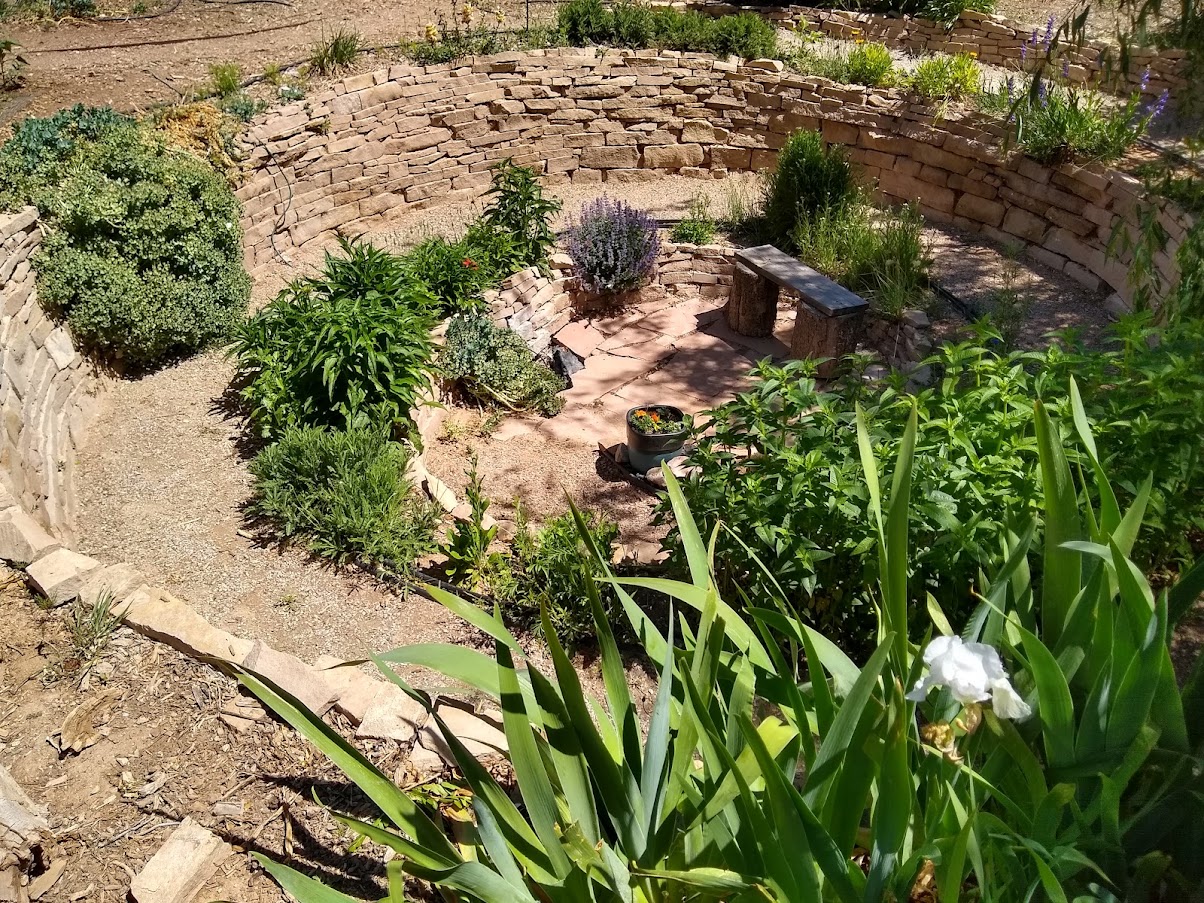
The long-term benefits of permaculture are profound and far-reaching, enhancing not only the health of our gardens but also the broader environment. These benefits include:
Improving soil structure and increasing organic matter over time, leading to healthier ecosystems.
Creating agricultural systems that mimic natural ecosystems, reducing reliance on chemical inputs and fostering self-sustaining environments.
Integrating local resources and traditional methods to enhance resilience.
Minimizing the need for external chemical inputs and promoting sustainability.
Permaculture inherently promotes biodiversity and habitat creation, supporting diverse plant and animal species. This biodiversity enhances ecosystem resilience, preventing issues related to monocultures, such as disease and pest outbreaks. By adopting permaculture practices, we not only create productive gardens but also contribute to the ecological health of our surroundings.
Enhancing Soil Fertility
Enhancing soil fertility is a key benefit of permaculture. By implementing practices like green manure and adding organic matter, we can significantly improve soil health and fertility. Green manure crops, such as legumes, fix nitrogen in the soil and increase organic matter when incorporated into the soil, enhancing its fertility. These practices help retain moisture and nutrients, creating a thriving environment for plant roots.
Adding organic matter, such as compost and mulch, improves soil texture and structure, making it more conducive to plant growth. Organic matter also supports a diverse community of soil organisms that contribute to nutrient cycling and soil health. Practices like no-till gardening and cover cropping further enhance soil fertility by reducing soil disturbance and protecting the soil from erosion. By focusing on soil health and incorporating soil amendments, permaculture systems create a solid foundation for robust plant growth and sustainable food production.
Healthy soil not only supports plant growth but also plays a crucial role in water management. Soils rich in soil organic matter have better water infiltration and retention, reducing the need for irrigation and helping plants withstand drought conditions. Clay soil not only affects drainage but also influences the overall health of the soil conditions. To protect soil, it is essential to maintain its health and structure.
Enhancing soil fertility through permaculture practices creates resilient systems that adapt to environmental challenges and produce abundant, healthy crops.
Supporting Ecosystems
Supporting ecosystems is a fundamental goal of permaculture, as it promotes biodiversity and ecological balance. Biodiversity enhances ecosystem resilience by preventing issues related to monocultures, such as disease and pest outbreaks. Permaculture practices, such as companion planting and creating habitats for beneficial wildlife, help preserve biodiversity and promote a balanced ecosystem. These practices not only support plant health but also contribute to natural pest control and soil fertility.
Implementing permaculture can help reverse the negative effects of unsustainable farming practices by restoring habitats and promoting ecological balance. Regular observation of plant health and interactions is crucial for maintaining a successful permaculture system.
Supporting ecosystems through permaculture creates productive, resilient, and self-sustaining environments benefiting both humans and wildlife.
Sustainable Food Production
Permaculture fosters sustainable food production by creating self-sufficient systems that mimic natural ecosystems. These systems integrate diverse crops that support one another, reducing dependency on external inputs and enhancing resilience. By promoting biodiversity and natural processes, permaculture systems can produce food sustainably and efficiently, providing a reliable source of nourishment while protecting the environment.
Sustainable food production through permaculture involves practices such as using green manure, maintaining healthy soil, and implementing efficient water management techniques. These practices reduce the need for chemical fertilizers and pesticides, making food production more environmentally friendly and sustainable.
Adopting permaculture principles creates food systems that are productive and regenerative, supporting long-term food security and environmental health.
Getting Started with Permaculture
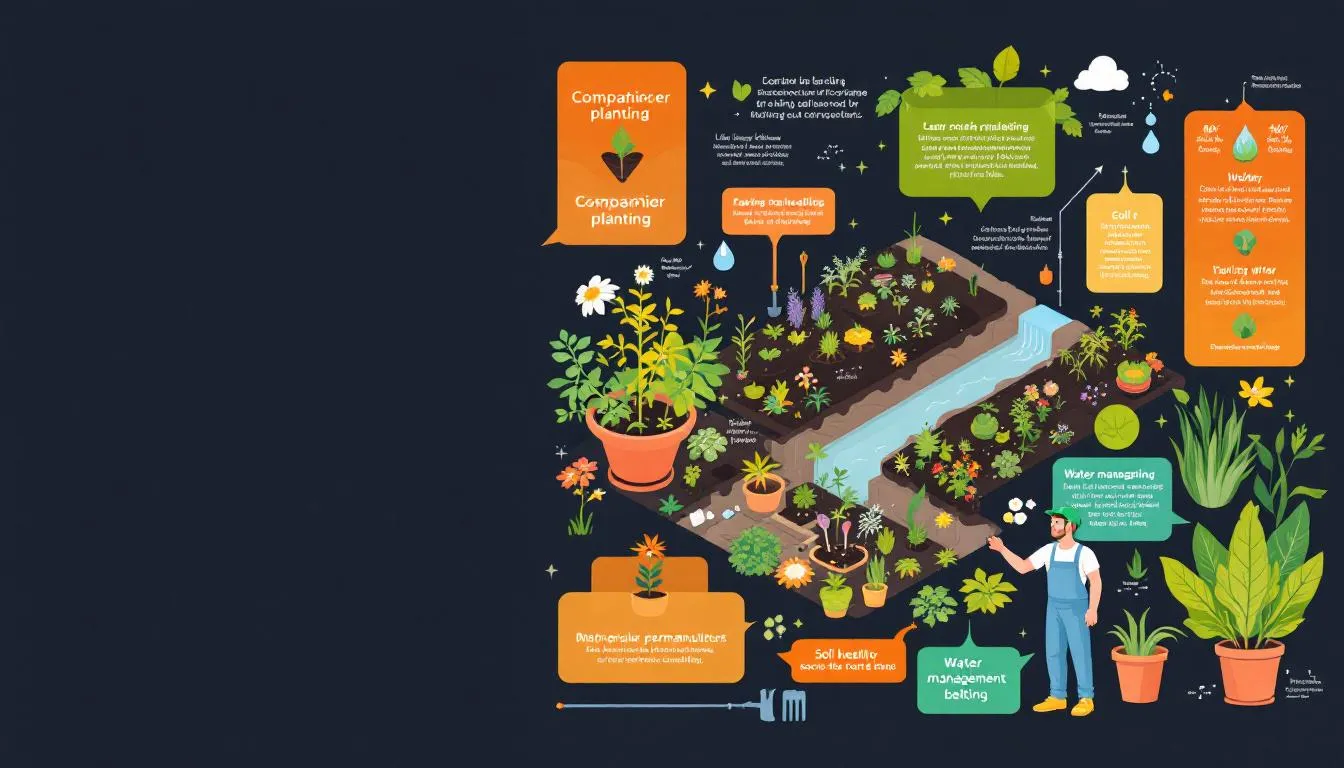
Embarking on a permaculture journey can be both exciting and challenging. It’s best to approach permaculture implementation in stages, allowing for incremental development and adaptation. The initial setup of permaculture systems can be labor-intensive and time-consuming, which may discourage those seeking quick results. However, the long-term benefits far outweigh the initial effort, as permaculture systems become more self-sustaining and productive over time.
One of the biggest challenges for beginners is the steep learning curve, particularly for those lacking background knowledge in ecological principles. Limited access to land, especially in urban areas, can also hinder engagement in permaculture practices.
Despite these challenges, with careful planning, site assessment, and plant selection, anyone can create a thriving permaculture garden. Exploring the steps to get started with permaculture, from site assessment to implementing your design, lays the foundation for success.
Site Assessment and Planning
The first step in starting a permaculture project is conducting a thorough site assessment and planning. Begin by:
Creating a detailed plan that includes your goals, available resources, and site conditions.
Understanding your soil type, texture, fertility, and pH, which is crucial for a thriving garden.
Knowing the microclimates on your site, as this can significantly influence the success of your permaculture design.
Using topographic maps to analyze contours can help in planning effective water supply systems on your permaculture farm. Establishing windbreaks is an important initial step to protect newly planted trees and tree crops from strong winds, and incorporating worm castings can enhance soil quality.
Thoroughly assessing your site and planning accordingly can help determine a design that is determined to optimize resources and enhance system resilience.
Selecting Plants and Seeds
Choosing the right plants and seeds is essential for a successful permaculture garden. Opt for native plants because:
They are typically more resilient and require less maintenance.
They enhance biodiversity and adaptability in permaculture gardens.
They provide habitat for local wildlife.
They support ecosystem health.
When selecting plants, consider their ecological functions, such as nitrogen-fixing, providing ground cover, or attracting beneficial insects. Spring planting is an ideal time to start your permaculture garden, as it allows plants to establish roots and grow during the warmer months. Carefully selecting plants and seeds well-suited to your local environment creates a robust and productive permaculture garden.
Implementing Your Design
Once you have completed your site assessment and selected your plants, it’s time to implement your permaculture design. Use raised beds or cover the soil with black plastic or cardboard to warm it up in cold climates. Keyline design is an effective method for managing water and optimizing its distribution across your landscape.
Start by planting trees and perennial plants first, as they form the backbone of your permaculture system. Then, add annuals, cover crops, and ground covers to create a diverse and resilient garden.
Regular maintenance, observation, and adjustments are crucial for the success of your permaculture garden. Following these steps creates a thriving, sustainable garden that provides food, supports a healthy ecosystem, and helps cycle nutrients.
Common Challenges and Solutions
Permaculture, like any gardening practice, comes with its own set of challenges. Common issues include managing weeds, pests, and adapting to climate fluctuations. Some permaculture techniques may not work effectively in certain environments, necessitating tailored approaches based on individual site conditions. Addressing these challenges enhances the overall resilience and sustainability of permaculture systems.
Permaculture practices can significantly reduce pollution by minimizing reliance on harmful chemicals. Key strategies include:
Implementing natural pest management strategies
Using efficient water management techniques
Applying diverse planting methods These approaches help overcome challenges and create a thriving permaculture garden.
Let’s explore some of the common challenges and their solutions in more detail.
Dealing with Weeds
Weeds compete with desirable plants for resources like water, sunlight, and nutrients, making effective weed control essential for successful permaculture systems. Mulching is a highly effective method for suppressing weeds:
It involves covering the soil with organic materials such as straw or wood chips.
Mulching blocks sunlight, preventing weed growth.
It retains soil moisture, which also helps suppress weeds.
Ground cover plants can also overshadow weeds, outcompeting them for nutrients and helping maintain soil structure. Manual removal of weeds is effective when they are small and manageable, ensuring that unwanted plants do not establish themselves or go to seed. Combining these strategies effectively manages weeds and creates a healthier, more productive permaculture garden with a ground cover layer.
Managing Pests Naturally
Managing pests naturally is a cornerstone of permaculture, as it reduces the need for chemical interventions and promotes ecological balance. Introducing beneficial insects, such as ladybugs and lacewings, can naturally help control pest populations. Companion planting is another effective strategy, as it enhances natural pest management and improves crop resilience.
Utilizing Integrated Pest Management (IPM) combines various strategies like cultural, biological, and structural approaches to control pests without chemicals. Attracting beneficial insects, implementing companion planting, and using IPM creates a thriving ecosystem that naturally manages pests and supports healthy plant growth.
Coping with Climate Variability
Climate variability is a significant challenge for gardeners, but permaculture designs can include resilient features that withstand extreme weather conditions and adapt to changing climates. Diversifying plant species enhances resilience to climate change by ensuring that some plants thrive under varying conditions.
Evaluating microclimates on your property can optimize plant selection and growing season conditions. Incorporating diverse plant species, efficient water management techniques, and resilient design features creates a permaculture garden that thrives year-round and adapts to climate fluctuations.
Summary
Permaculture offers a holistic approach to sustainable living that benefits both people and the planet. By mimicking natural ecosystems and focusing on the relationships among elements, permaculture creates productive, resilient, and self-sustaining systems. Key elements such as healthy soil, efficient water management, and diverse plant communities are essential for the success of permaculture gardens.
By adopting permaculture practices, you can enhance soil fertility, support ecosystems, and achieve sustainable food production. The journey may be challenging, but the long-term benefits are profound. Start small, plan carefully, and embrace the principles of permaculture to transform your space into a thriving, sustainable oasis. Together, we can create a greener, healthier future.
Frequently Asked Questions
What is permaculture?
Permaculture is a powerful way to cultivate sustainable living by imitating natural ecosystems to create regenerative systems. Embrace this approach to enhance your relationship with the environment and promote long-term resilience!
What are the core ethical principles of permaculture?
The core ethical principles of permaculture focus on caring for the Earth, caring for people, and sharing the surplus. Embracing these principles can lead to a sustainable and thriving community!
How can I improve soil health in my permaculture garden?
To enhance soil health in your permaculture garden, focus on adding organic matter, employing cover crops, and practicing no-till gardening. These methods will enrich your soil and promote a thriving ecosystem!
What are some effective water management techniques in permaculture?
Effective water management techniques in permaculture include keyline design, swales, rainwater harvesting, and greywater systems. Implementing these methods will enhance your land's productivity and sustainability!
How can I manage pests naturally in my permaculture garden?
You can effectively manage pests in your permaculture garden by attracting beneficial insects and using companion planting techniques. Embrace these natural strategies to create a thriving ecosystem!


