How to Grow a Thriving Low-Water Food Forest Without Fighting Your Land
The Truth About Drought Tolerant Landscaping
Most people approach low-water gardening like a restriction. Less water. Fewer options. More struggle. But the truth is, a well-designed low-water landscape doesn’t feel limited at all. It feels aligned. The plants fit the place. The soil holds what it needs. And instead of constantly reacting, watering, adjusting, rescuing, you start to notice something surprising. Things just work.
If you take nothing else from this article, take this:
Low-water gardening isn’t about depriving your plants. It’s about designing a system that doesn’t depend on constant input. And the strategies that make that possible are simpler and more powerful than most people expect.
The Three Big Shifts That Change Everything
Before we get into the details, here’s the big picture.
Thriving low-water gardens are built on three core ideas:
First, you protect the soil. Bare soil loses water quickly. Covered soil holds it.
Second, you choose the right plants — not just what you like, but what belongs.
And third, you water deeply and strategically rather than frequently and lightly.
Everything else builds on those three.
Planning and Designing Your Food Forest (So It Works With Your Land)
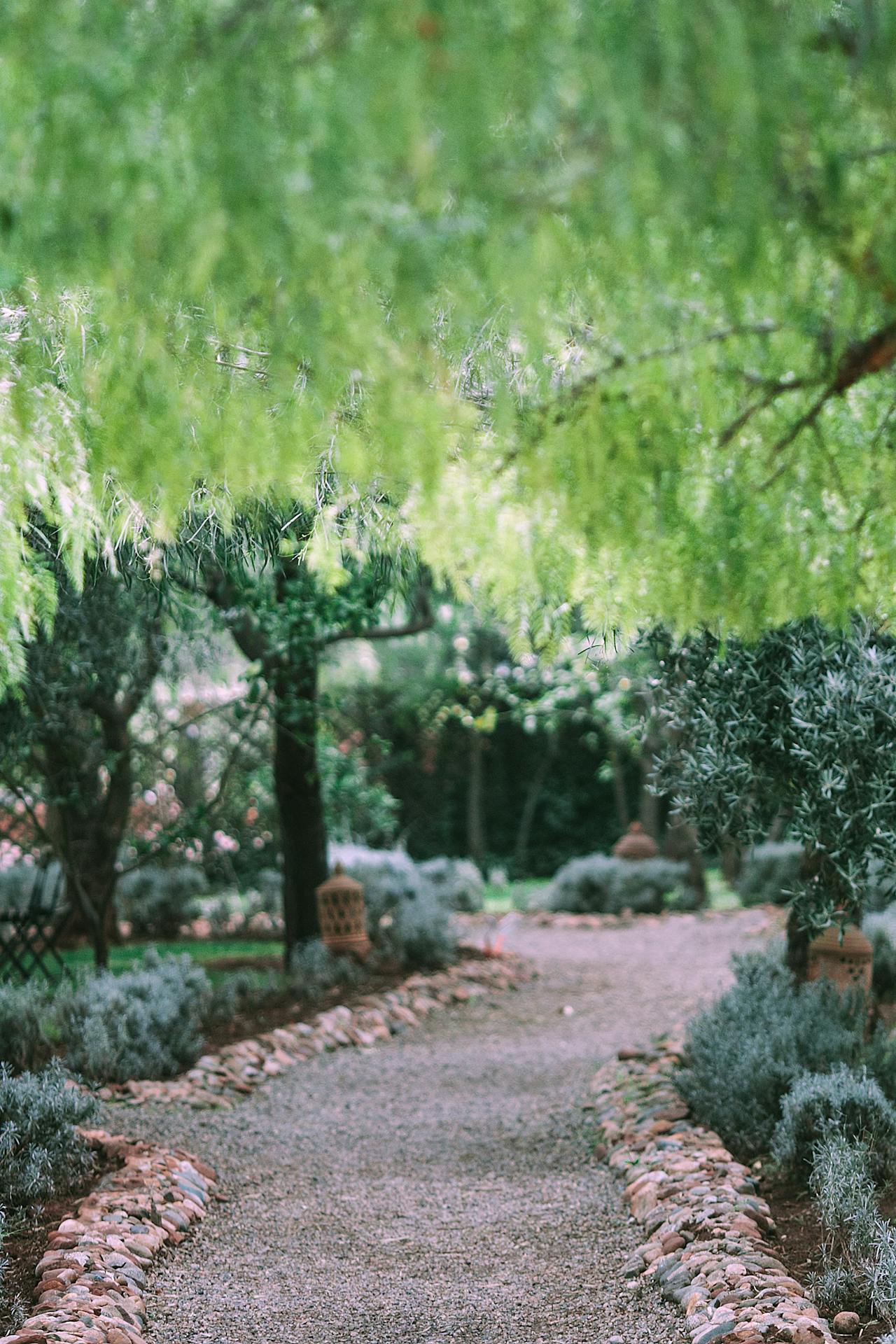
A thriving food forest begins with something I like to think of as a quiet conversation with your land—one that starts long before you plant a single seed. Take time to simply be present in your yard: watch where sunlight dances throughout the day, notice how water finds its way after a gentle rain, and feel which spots hold moisture tightly or release it back to the sky. This understanding of your soil's story and its relationship with water is the very foundation of what I call drought-wise gardening.
In places like Northern California, where drought visits frequently like a familiar but uninvited guest, choosing drought-tolerant plants isn't just smart, it's an act of partnership with the land. I encourage you to seek out drought-tolerant perennials and resilient plants that can thrive in dry conditions without demanding constant attention. These remarkable plants don't just conserve precious water; they help you dance gracefully within water restrictions while keeping your monthly bills from startling you awake at night.
When you design your food forest, I invite you to think of it as creating communities, grouping plants with similar thirsts together so you can tend them with intention rather than guesswork. Drip irrigation becomes your gentle servant, delivering moisture directly where roots can receive it most gratefully, avoiding the waste of broadcasting water into empty air. And mulch, oh, generous mulch becomes your garden's protective blanket, quietly suppressing weeds while holding precious moisture close to the soil, giving your plants their best chance to flourish even when the sun feels relentless.
Don't forget those tiny winged partners of ours, the pollinators who make abundance possible. When you weave in flowers that call to bees and other beneficial creatures, you're not just boosting your harvest; you're creating something alive and interconnected, a small ecosystem that hums with purpose. A tiny water source for the insects makes that possible. By working alongside your land's natural gifts and choosing plants that truly belong in your conditions, you'll nurture a food forest that's not only productive and beautiful—but built to endure, even when water becomes the precious resource it truly is.
Mulch: The Quiet Workhorse
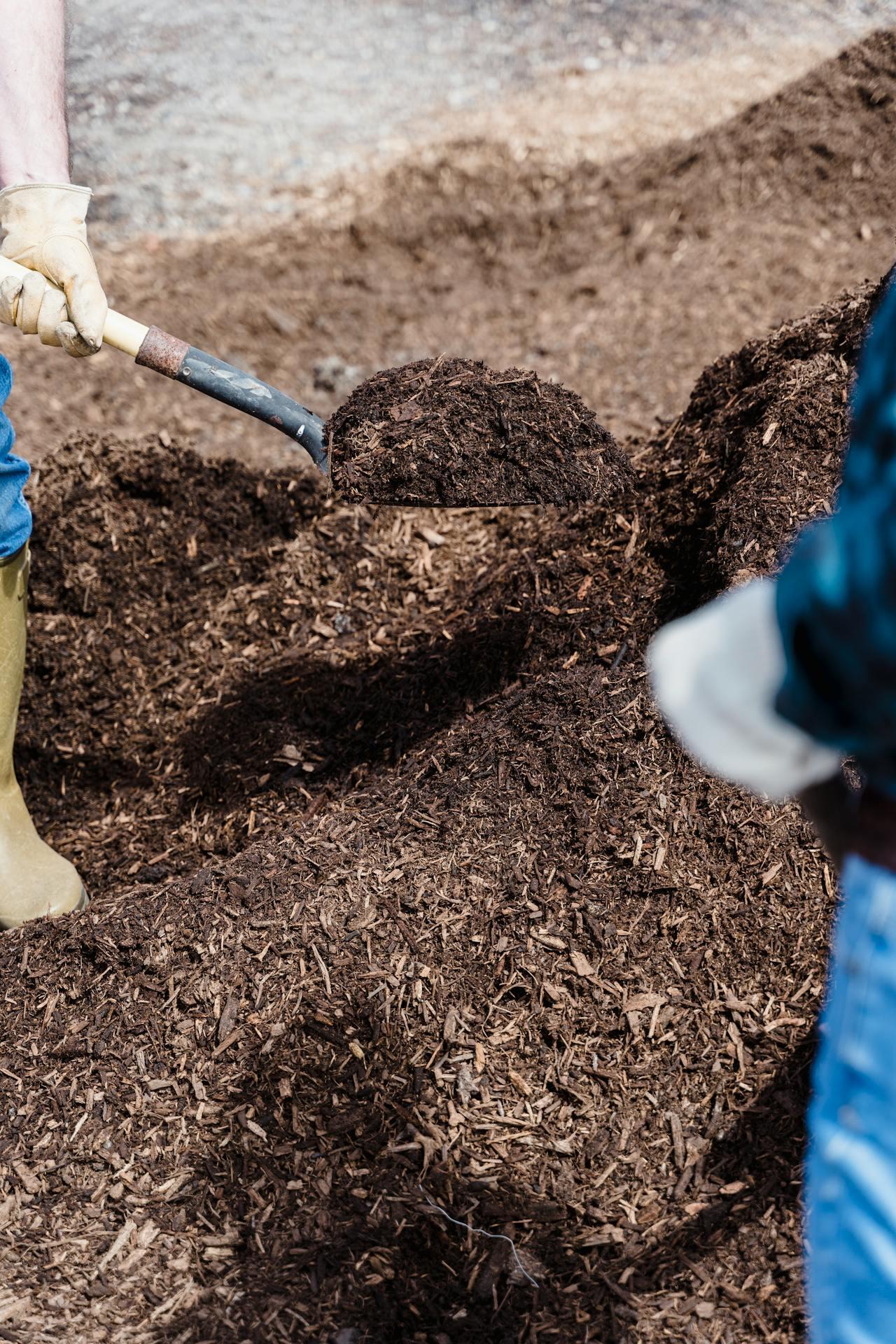
If there’s one practice that consistently transforms a garden’s water needs, it’s mulching. Mulch acts like a protective layer over your soil, slowing evaporation and keeping moisture where your plants can actually use it. Without it, water disappears quickly, especially in heat and wind. Applying mulch can also reduce weed growth in vegetable gardens, making it easier to grow healthy vegetables with less maintenance.
But mulch doesn’t just conserve moisture. It also moderates soil temperature. In summer, it keeps the soil cooler, reducing stress on roots. In cooler seasons, it helps buffer temperature swings. That stability matters more than most people realize — roots do not like extremes. Wood chips are often used as mulch to conserve soil moisture and suppress weed growth, making them a popular choice for many gardeners.
For most garden beds, a layer of two to three inches of organic mulch is ideal. Around trees and shrubs, you can go slightly deeper, especially with coarser materials. And once you start using mulch consistently, you’ll notice something subtle but powerful: You don’t have to water nearly as often. Mulch also enhances the visual appeal of garden areas by providing a uniform and attractive surface.
Choosing the Right Mulch (It Matters More Than You Think)
Not all mulch behaves the same way.
Grass clippings are readily available and break down quickly, adding nutrients back into the soil. But they need to be used carefully. If applied too thickly, especially when fresh, they can mat together, creating a dense layer that blocks air and water.
Straw is a popular organic mulch, especially in vegetable gardens. Straw mulch is biodegradable, retains moisture well, and helps suppress weeds. However, some organic mulches like straw or leaves may contain weed seeds, which can affect planting and seed germination.
When applied correctly, organic mulches can improve soil productivity. Pine bark and straw are excellent choices for acid-loving plants like azaleas and blueberries. Cedar mulch contains natural oils that deter certain pests. Biodegradable mulches derived from plant starches are broken down by soil microorganisms into water and carbon dioxide, both harmless byproducts. Bark chips, on the other hand, are excellent for longer-term use, especially under trees and shrubs. They break down more slowly and provide consistent coverage without compacting. Shredded hardwood is a versatile, long-lasting mulch ideal for slopes.
Rubber mulch, made from recycled tires, is highly durable and often used for play areas but doesn't add nutrients. Other inorganic mulch options include gravel or landscape fabric.
Some materials are best avoided in large amounts. Very fine or overly dense materials, like thick peat or tightly packed fresh clippings, can create anaerobic conditions , essentially suffocating the soil. The goal isn’t just to cover the ground. It’s to create a breathable, protective layer that works with your soil, not against it.
Plant Selection: Let the Plants Do the Work
One of the simplest ways to reduce water use is to choose plants that don’t demand it in the first place. Drought-tolerant plants aren’t just survivors. Many of them are incredibly resilient, productive, and well-suited to challenging conditions. Some plants, like succulents and cacti, use less water than others and don't need much water once established.
There are also excellent cultivated options, including drought-tolerant varieties developed for performance and consistency. These can be a great addition when you want both reliability and specific traits. But perhaps the most overlooked group is native plants.
Plants that evolved in your region already know how to handle your climate — your rainfall patterns, your soil, your seasonal extremes. Many native species are adapted to naturally dry conditions, making them ideal for low-water gardens. When you include them, you’re not asking the system to stretch. You’re working within its natural rhythm.
One simple but powerful strategy is grouping plants by water needs. When plants with similar water needs are grouped together, watering becomes more efficient, and you avoid overwatering some while underwatering others. Including other plants in mixed plantings can also enhance biodiversity and visual interest in your garden.
Planting for Success (Not Just Survival)
How you plant matters just as much as what you plant. Healthy soil is the foundation. Adding organic matter improves structure, helping soil hold moisture while still draining well.
Planting depth is another detail that makes a difference. Trees and shrubs planted too deeply often struggle, while those planted at the correct depth establish more quickly and develop stronger root systems.
Dense planting is also your ally. When plants are spaced to eventually fill in, they shade the soil, reducing evaporation and suppressing weeds. Groundcovers can take this even further, acting as a living mulch that protects the soil surface.
Irrigation: Less Often, More Intentionally
Watering isn’t about frequency. It’s about effectiveness. Drip irrigation is one of the most efficient ways to deliver water directly to plant roots, minimizing waste and evaporation. It also allows for more consistent and controlled watering. In large-scale gardens or farms, drip tape is often laid beneath plastic mulch to provide efficient irrigation.
The key principle is simple: water where the roots are. And when you water, water deeply. This will make root grow more deeply into the soil and make the plants more resilient. Frequent shallow watering does the opposite — it keeps roots near the surface, where they are more vulnerable.
Smart irrigation systems monitor the weather and automatically adjust watering schedules based on recent rainfall, temperature and wind. These systems use soil moisture sensors to monitor the moisture level and manage watering accordingly. Smart irrigation controllers can save more water by adjusting run times and schedules to meet specific landscape needs. In fact, smart irrigation systems can reduce outdoor water use by 30 to 50 percent compared to traditional irrigation methods.
Timing matters too. Early morning watering reduces evaporation and gives plants access to moisture when they need it most.
Catching and Keeping Water
Water doesn’t just come from a hose. With a little thought, you can capture and use what’s already moving through your landscape.Rain barrels are one of the simplest entry points. Directing downspouts into storage allows you to collect water that would otherwise run off.
Sunken beds take this a step further. By creating slight depressions in the landscape, you can capture and hold water where it falls, allowing it to soak into the soil rather than flow away.Even small changes in how water moves across your property can make a noticeable difference.
Microclimates: Your Built-In Advantage
Some areas of your garden will naturally lose water faster than others. Windy spots dry out quickly. Exposed areas heat up more. Sheltered areas retain moisture longer.
Instead of treating your garden as uniform, use these differences to your advantage.Plant windbreaks to reduce moisture loss. Create shade for plants that need protection. Place thirstier plants in areas that are naturally more sheltered.
This is where design starts to feel intuitive. You’re not forcing conditions. You’re working with them.
Creating a Balanced Ecosystem (Nature’s Secret Ingredient)
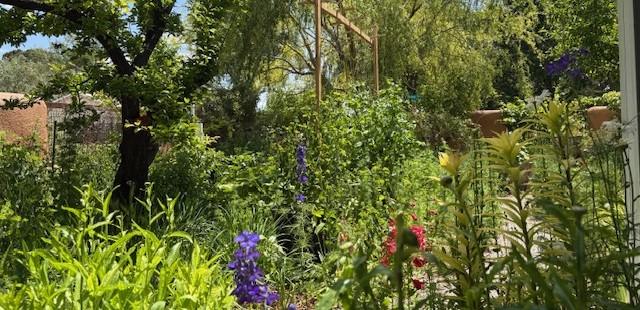
Friends, let me tell you something—a truly resilient food forest is so much more than just a collection of plants scattered around your yard. It's a living, breathing symphony of life, and when you blend trees, shrubs, flowers, and crops together, you're mimicking the beautiful diversity that nature has been perfecting for millennia. This creates healthier plants, fewer battles with pests or disease, and—here's the magic—this layered approach naturally holds onto moisture and conserves water, making your garden more self-sustaining than you ever imagined possible.
Now, living mulch—oh, how I love talking about this quiet hero of the garden world. Those grass clippings, bark chips, fallen leaves—when you spread them lovingly over your soil surface, they become these gentle guardians that suppress weeds, cradle moisture, and slowly, generously break down to feed the very earth beneath them. And if you're dealing with areas where water wants to rush away or soil keeps disappearing—well, that's where rain gardens or rock gardens step in like thoughtful problem-solvers, managing water flow, preventing that precious soil from wandering off, and creating these beautiful little microhabitats where beneficial insects and pollinators can make themselves at home.
I always tell people that healthy soil is the beating heart of any balanced ecosystem—it really is the foundation everything else builds on. When you regularly add organic matter like compost, you're not just feeding your plants, you're building this rich, living structure that supports robust growth from the ground up. This gentle practice prevents root rot by ensuring good drainage while maintaining that steady, nurturing soil moisture your plants crave throughout the growing season—it's like giving your garden a long, satisfying drink that lasts.
And friends, if you're working with small spaces—please don't let that stop you for even a moment. Containers and vertical gardening can help you create this diverse, productive ecosystem even when you're working with just a balcony or tiny yard. As your food forest grows and matures—and it will, trust me—keep watching that soil moisture and adjust your watering rhythm as needed, especially during those intense hot spells or when late spring growth surges hit. When you choose plants that have proven themselves and create these nurturing growing conditions, you'll find yourself with a food forest that's beautifully low maintenance, absolutely stunning to look at, and bursting with organic abundance all season long.
Maintenance: Small Habits, Big Impact
Low-water gardening doesn’t mean no maintenance, but it does mean smarter maintenance. Mulch needs to be replenished as it breaks down. Weeds need to be managed, so they don’t compete for water. Compost can be added over time to improve soil structure and water-holding capacity. These aren’t big, dramatic tasks. They’re small, consistent actions that support the system.
Common Pitfalls to Avoid
There are a few mistakes that come up again and again. Piling mulch against tree trunks can lead to rot and disease. Mulch should always be pulled slightly back from stems and trunks.
Using the wrong materials — especially dense, compacting ones — can create oxygen-poor conditions in the soil. And one of the most common issues?
Watering without checking. Before adjusting your watering schedule, take a moment to check the soil. Sometimes the problem isn’t too little water — it’s too much, or poorly timed.
Quick Implementation Checklist
If you’re ready to put this into practice, start here:
Apply a two- to three-inch layer of organic mulch to your planting beds. Install drip irrigation where it makes sense, especially in vegetable or shrub areas. Set your watering schedule for early morning, and focus on deep watering rather than frequent light watering.
Group plants by their water needs so you’re not trying to meet conflicting requirements in the same space. Add a simple rain barrel to begin capturing water, and look for opportunities to direct runoff into planting areas.
If your site allows, shape the land slightly to create sunken beds where water can collect and soak in. Plant windbreaks in exposed areas, and stay consistent with weeding during the growing season.
Plan for plants that bloom from late summer into fall to extend seasonal interest.
Include plants that provide visual appeal all summer long for continuous color and texture.
Design a mixed border with a variety of perennials, flowering plants, and ornamental species for a diverse and attractive garden.
Select plants with attractive or aromatic foliage to enhance the aesthetics and sensory experience of your landscape.
A Final Thought
Low-water gardening isn’t about doing less.
It’s about doing things in the right order.
When the soil is protected, the plants are well-matched, and water is used intentionally, the whole system shifts.
You stop chasing problems.
And start building something that holds together — even when conditions aren’t perfect.
And that’s when your garden begins to feel less like something you manage…
…and more like something that’s working with you.


